
Hardwood Floors in Old Church, VA
Your Floors Deserve Better Than a Quick Fix
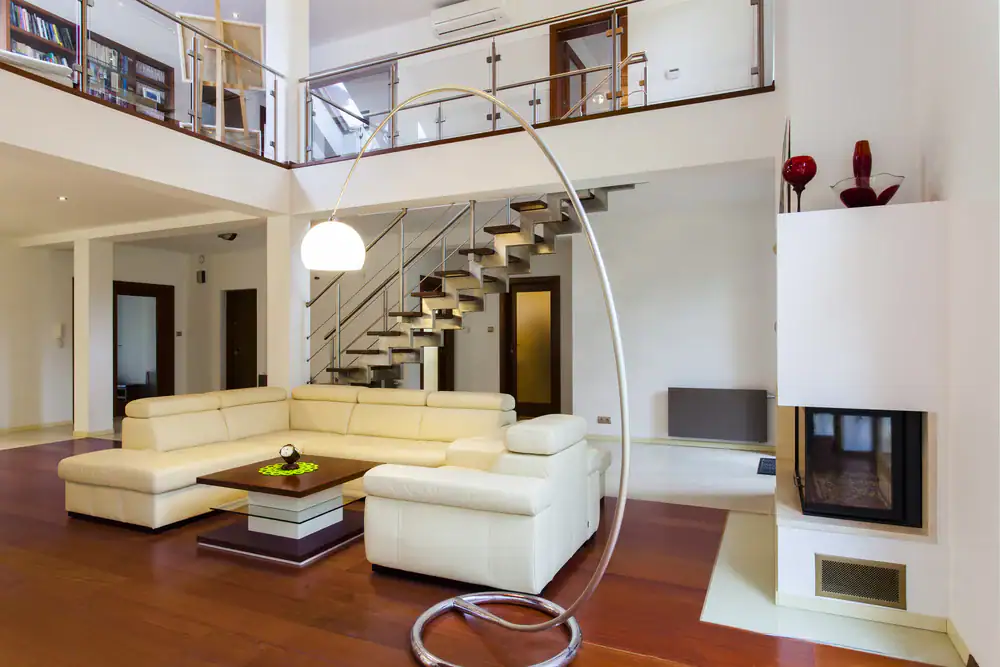
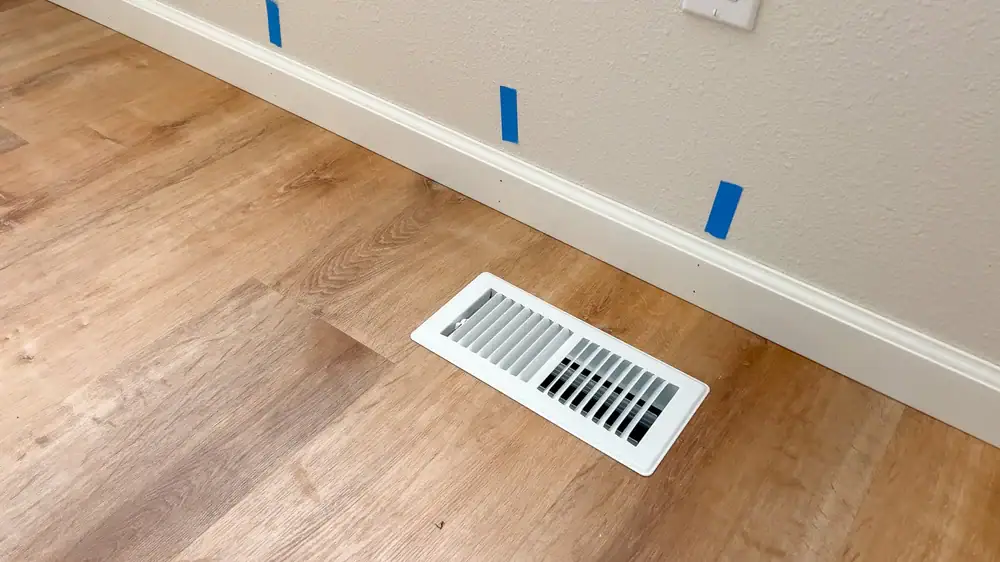
Hardwood Floor Refinishing Near Old Church
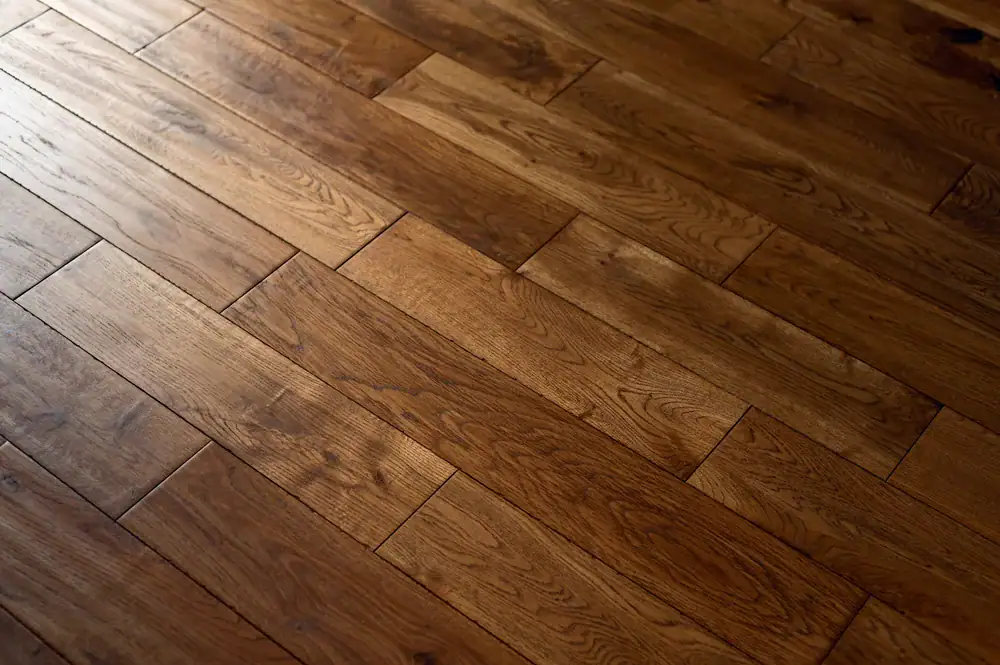
You walk back into a room that feels new again. The scratches from years of foot traffic are gone. The dullness that made everything look dated has been replaced with a clean, warm finish that catches the light the right way.
Your floors aren’t just refinished—they’re protected. The new coat seals the wood, keeps moisture out, and gives you years before you’ll need to think about this again. No dust lingering in your vents. No week-long disruption. Just floors that look like you invested in them, because you did.
And if you’re getting ready to sell, this is the kind of upgrade buyers notice immediately. Hardwood floor refinishing typically adds up to 5% to your home’s market value. That’s not a guess—it’s what the data shows when floors are done right.
Floor Contractors Near Old Church, VA
Buff and Coat Floor Refinishing has been working in Old Church and the greater Richmond area for over 20 years. Most of our work comes from referrals—more than 80%—which tells you something about how people feel after the job’s done.
David Emmerling runs the company. He’s not new to this. He’s seen every type of floor Richmond has to offer: century-old heart pine in Fan District Victorians, newer oak installations in West End subdivisions, and everything in between. That experience matters when you’re dealing with wood that reacts to Virginia’s humidity, or floors that have been painted over, water-damaged, or neglected for decades.
We’re licensed, insured, and hold an A+ rating with the Better Business Bureau. You get a free estimate, an in-home consultation, and a warranty on the work. No surprises, no upselling—just a clear plan and a finished floor.
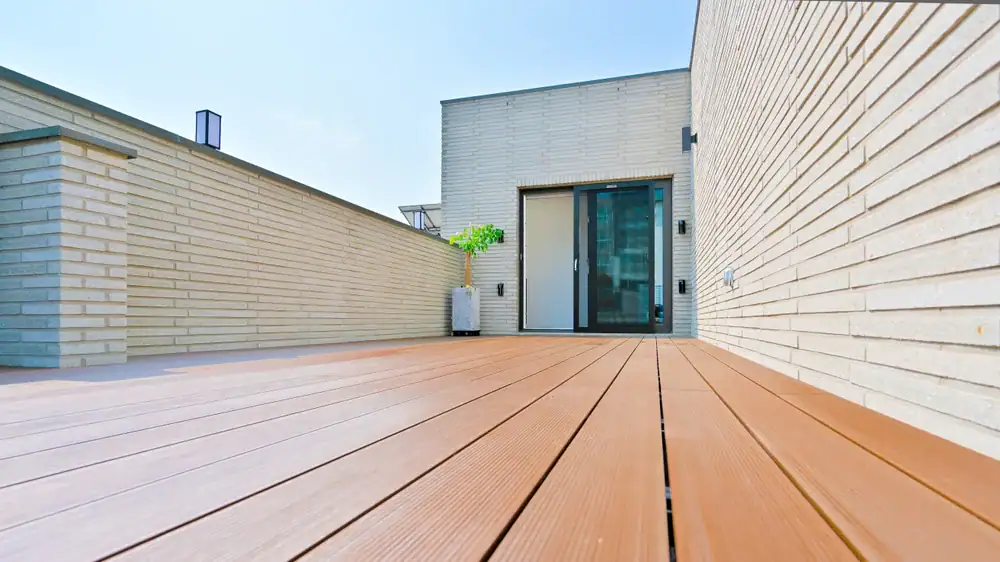
Hardwood Floor Installation and Repair Process
First, we come out to look at your floors. Not to sell you—to assess the condition, check for moisture issues, test the finish, and figure out whether you need a full sand-down or just a buff and recoat. Most floors in decent shape only need the latter, which saves you time and money.
Once you’re scheduled, we show up with dustless equipment. This isn’t the old-school sanding process that coats your house in fine powder. The system captures about 80% of the dust at the source, so your furniture, your air quality, and your sanity stay intact.
The floor gets buffed to remove the top layer of finish and smooth out surface scratches. Then a fresh coat goes down—usually polyurethane, unless you prefer something else. It dries fast. Most jobs are done in a day, and you’re walking on it within 24 hours. If there’s deeper damage—gouges, water stains, or boards that need replacing—we handle that first. Then the refinishing happens. You’re not patching over problems. You’re actually fixing them.
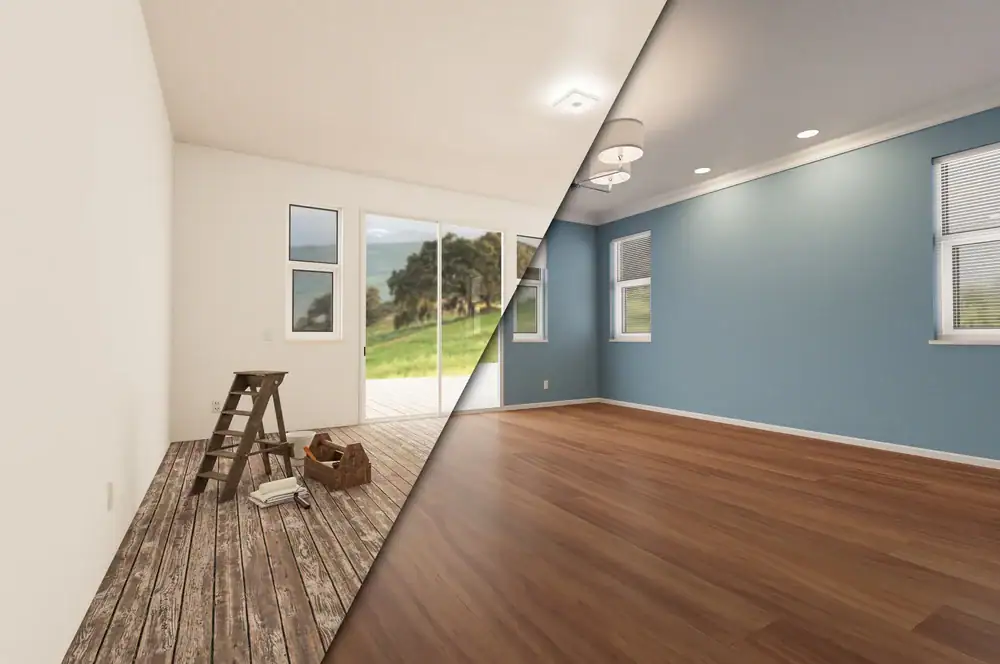
Hardwood Floor Services in Old Church
You’re getting more than a guy with a sander. You’re getting a team that knows how to handle the specific challenges Richmond-area floors face: humidity swings, older construction, mixed wood species, and finishes that weren’t meant to last this long.
The service starts with an honest evaluation. If your floors don’t need a full refinish, we’re not going to sell you one. Buff and coat works for floors that still have good bones but need a refresh. If the damage goes deeper—cupping from moisture, scratches through to raw wood, or stains that won’t buff out—then a full sand and refinish makes sense. Both options are on the table.
Old Church homes, especially the older ones, often have original hardwood that’s worth preserving. That means working carefully around thresholds, corners, and edges where decades of settling have created uneven spots. It also means knowing when to replace a board instead of trying to sand through a problem. The goal isn’t just to make it look good for a month. It’s to add years—sometimes decades—to the lifespan of your floor.
How long does it take to refinish hardwood floors in a typical home?
Most buff and coat jobs finish in one day. You’ll need to stay off the floors while the finish cures—usually 24 hours before you can walk on them in socks, and a few days before you move furniture back. That’s for a standard refinish using dustless equipment.
If your floors need a full sand-down because the damage goes deeper, expect two to three days. Day one is prep and sanding. Day two is staining (if you’re changing the color) and applying the first coat of finish. Day three is the second coat. Drying times depend on humidity and ventilation, but the process doesn’t drag out for weeks like it used to.
The faster timeline comes from better equipment and better products. Dustless systems work efficiently without sacrificing quality. Water-based polyurethanes dry faster than oil-based options, though some people still prefer the amber tone and durability of oil. Either way, you’re not dealing with a multi-week disruption. You’re dealing with a few days, and then it’s done.
What's the difference between refinishing and buff and coat?
Refinishing means sanding the floor down to bare wood, then applying stain and finish from scratch. You do this when the damage is deep—scratches that go through the finish into the wood, water stains that won’t come out, or when you want to change the color entirely. It’s more invasive, takes longer, and costs more. But it also resets the floor completely.
Buff and coat is for floors that are still in decent shape but look worn. The top layer of finish gets scuffed up with a buffer, which removes surface scratches and preps the wood to accept a new coat. Then fresh polyurethane goes on. It’s faster, cheaper, and way less disruptive. You’re not generating clouds of sawdust or exposing raw wood.
Most floors can go through this process multiple times before they need a full refinish. If your finish is just dull or lightly scratched, buff and coat is the smarter move. If the wood itself is damaged, refinishing is the only real fix. We’ll tell you which one you actually need, not which one costs more.
Can you refinish floors without creating dust all over the house?
Yes, and that’s the standard now if you’re working with the right equipment. Dustless sanding systems use a vacuum attachment that pulls dust directly into a containment unit as it’s created. It’s not 100%—nothing is—but it captures around 80% of the particles before they go airborne. That’s a massive difference compared to traditional sanding, which turns your house into a construction zone.
You’ll still want to close off the work area and maybe cover nearby furniture, but you’re not going to find dust on your kitchen counters three rooms away. You’re not going to be cleaning your air vents for months. The system keeps the mess localized and manageable.
This matters especially if anyone in your house has allergies, asthma, or just a low tolerance for chaos. It also matters if you’re living in the house during the work, which most people are. Dustless systems make the whole process livable. You’re not packing up and moving out for a week. You’re just staying out of one room for a day.
How much does hardwood floor refinishing cost in Old Church?
Buff and coat typically runs around $1.50 per square foot. So if you’ve got 1,000 square feet of hardwood, you’re looking at $1,500. That’s for a standard job with no major repairs. If boards need replacing, or if there’s water damage that has to be addressed first, that adds to the cost—but you’ll know that upfront during the estimate.
Full refinishing costs more, usually between $3 and $5 per square foot depending on the condition of the floor, the type of finish you choose, and how much prep work is involved. Older homes with multiple layers of finish, or floors that haven’t been touched in decades, take more time and effort. But even at the higher end, refinishing is cheaper than replacement, and it keeps the original character of your home intact.
The return on investment is real. Professionally refinished hardwood can recover up to 147% of its cost in added home value, according to industry data. Buyers see clean, well-maintained floors and they’re willing to pay for it. Even if you’re not selling, you’re extending the life of your floors by years and avoiding the cost of tearing them out and starting over.
Will refinishing fix scratches, water stains, and dull spots?
It depends on how deep the damage goes. Surface scratches—the kind you get from moving furniture, pet claws, or regular foot traffic—come out easily with a buff and coat. The process smooths the finish and hides those marks under a fresh layer of polyurethane. Dull spots caused by wear or UV fading also disappear once the new finish goes down.
Water stains are trickier. If the stain is only in the finish and hasn’t penetrated the wood, buffing will remove it. If the water soaked into the wood and left a dark mark, you’ll need a full sand-down to get to clean wood. Same goes for deep gouges or scratches that go past the finish into the grain. Those require sanding to level out.
We’ll tell you what’s fixable with a light touch and what needs more work. The goal is to get your floor looking right without doing more than necessary. If buff and coat gets you 90% of the way there, that’s the move. If the damage is deeper, you’ll know that too—and you’ll know why a full refinish makes sense.
How often should hardwood floors be refinished or recoated?
Buff and coat every three to five years keeps your floors looking good and protects the wood underneath. It’s preventive maintenance. You’re adding a fresh layer of finish before the old one wears through and exposes raw wood to moisture, dirt, and damage.
Full refinishing happens less often—every ten to fifteen years, depending on traffic and how well the floors have been maintained. Solid hardwood can be sanded and refinished multiple times over its lifespan, which is one of the reasons it’s worth keeping. Engineered hardwood has a thinner wear layer, so you get fewer refinishes before you hit the core. But even engineered floors can usually handle at least one or two refinishes if they’re done carefully.
If you wait too long, you’re not just dealing with cosmetic issues. You’re dealing with structural ones—boards that cup, warp, or separate because the finish failed and moisture got in. Staying ahead of that with regular recoating saves money and keeps your floors intact for decades. It’s not glamorous, but it’s smart.
Other Services we provide in Old Church