
Hardwood Floor Refinishing in Dorset Woods, VA
Your Floors Restored in One Day, No Dust
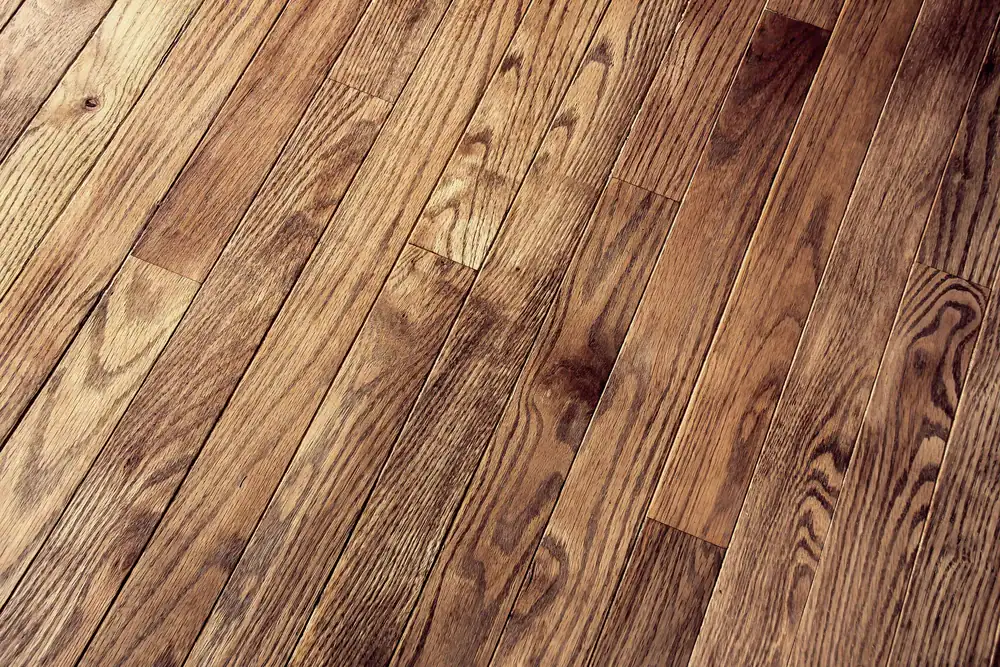
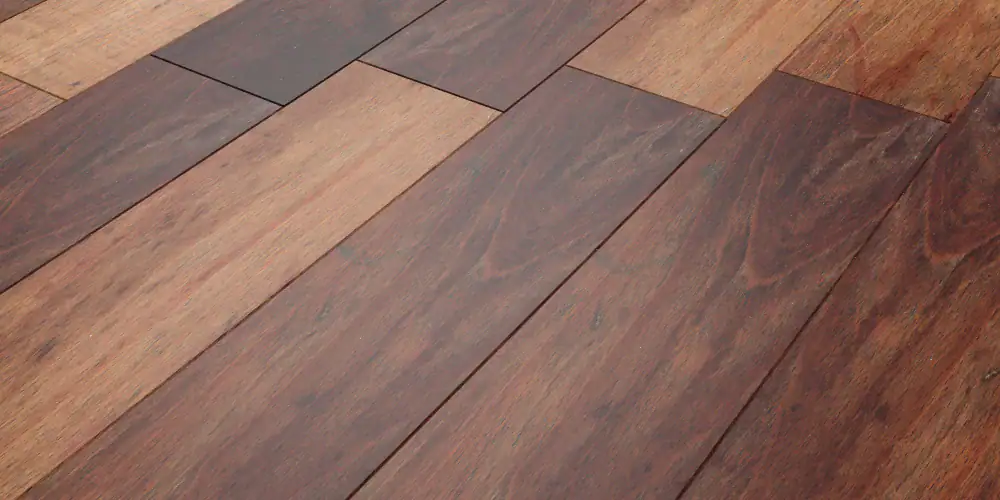
Floor Refinishing Richmond VA Residents Trust
You’re looking at floors that have seen better days. Scratches from furniture moves, dullness from years of foot traffic, maybe some water stains near the kitchen. Replacing them sounds expensive and disruptive. Ignoring them means living with something that bothers you every time you walk through your home.
Here’s what changes when you refinish instead of replace. Your floors look new again—rich color, smooth finish, that satisfying gleam when light hits them right. The work happens in one day, not a week. No dust coating your furniture or settling into your vents. No harsh fumes forcing you to pack up and leave.
You stay in your home. We show up, do the work with dustless equipment, and leave your floors looking like you just moved in. By the next morning, you’re walking on them. That’s the difference between old-school sanding that takes over your house and modern refinishing that respects your time.
Most homeowners in Dorset Woods are dealing with the same thing—beautiful hardwood that just needs proper attention, not replacement. The right refinishing process brings back what you paid for when you bought the house. It’s not about making do. It’s about restoring what’s already there.
Hardwood Floor Experts Serving Dorset Woods
We’ve been working on hardwood floors in the Richmond area for over 20 years. We’re not a franchise or a crew that shows up without knowing what they’re doing. Every job gets direct oversight because quality matters more than volume.
Dorset Woods homes have character—older construction mixed with newer builds, real hardwood that deserves proper treatment. We’ve worked on floors throughout this neighborhood and the surrounding Richmond area. We know what oak, maple, and pine look like after 20 years of Virginia humidity. We know how to handle floors that have been refinished before, and we know when a simple buff and coat is smarter than a full sand.
You’re not getting a sales pitch. You’re getting an honest assessment of what your floors need, how long it takes, and what it costs. That’s how we’ve stayed in business this long in a market where homeowners talk to each other.
Our Hardwood Floor Refinishing Process
First, we look at your floors. Not every floor needs the same treatment. Some need a full sand and refinish. Others just need buffing and a fresh coat of finish. We’ll tell you which one applies to your situation and why.
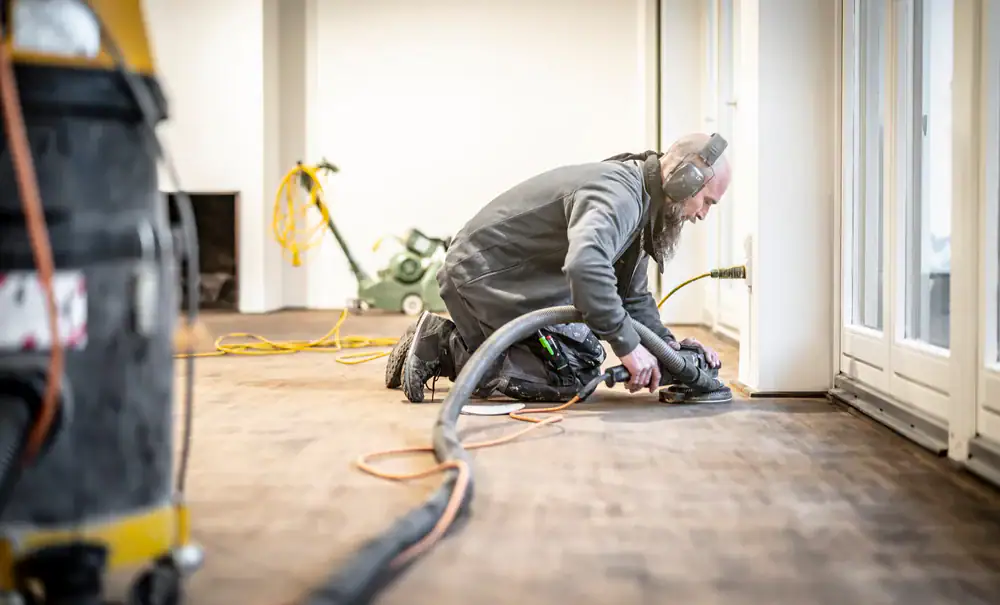
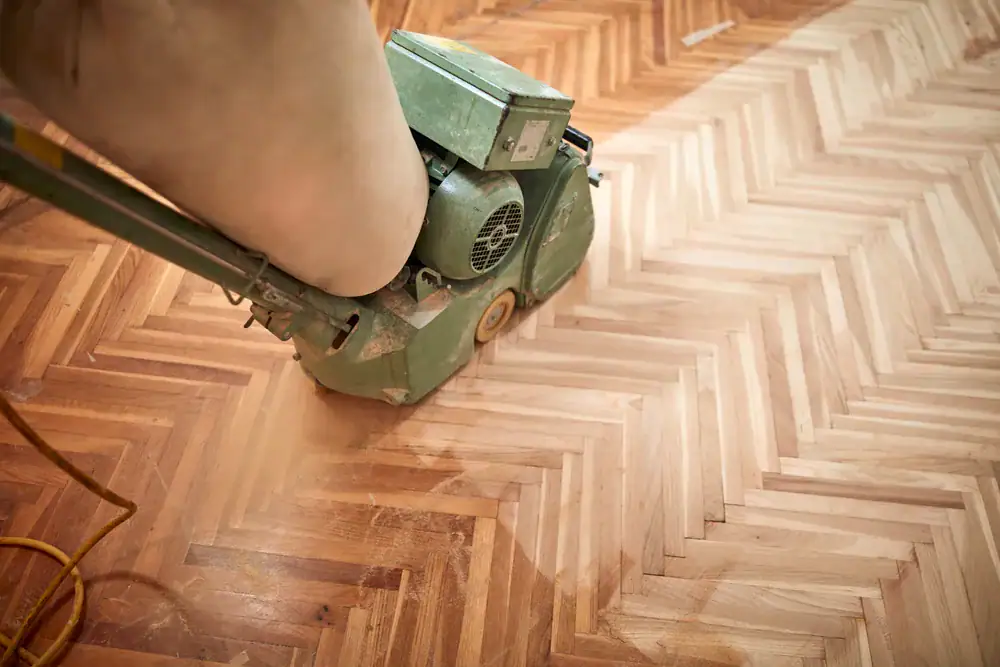
If your floors need sanding, we use dustless equipment. That’s not marketing language—it’s a vacuum system that captures dust at the source. You won’t find a layer of fine powder on your counters or in your air vents. The sanding process levels out scratches, removes old finish, and prepares the wood for staining if you want to change the color.
After sanding comes staining, if you’re going that route. You pick the color. We apply it evenly and let it dry. Then we apply the finish coat—usually a water-based polyurethane that dries faster and doesn’t smell like the oil-based products your parents remember. Most jobs are done in one day. You can walk on the floors the next morning with socks. Normal furniture use starts after 24 hours.
If your floors are in decent shape and just need refreshing, we skip the sanding and go straight to buffing. We scuff up the existing finish so the new coat adheres properly, then apply a fresh layer. This process is even faster and costs less. It’s the right call for floors that aren’t deeply scratched or damaged.
Either way, the goal is the same—floors that look new without turning your house into a construction zone.
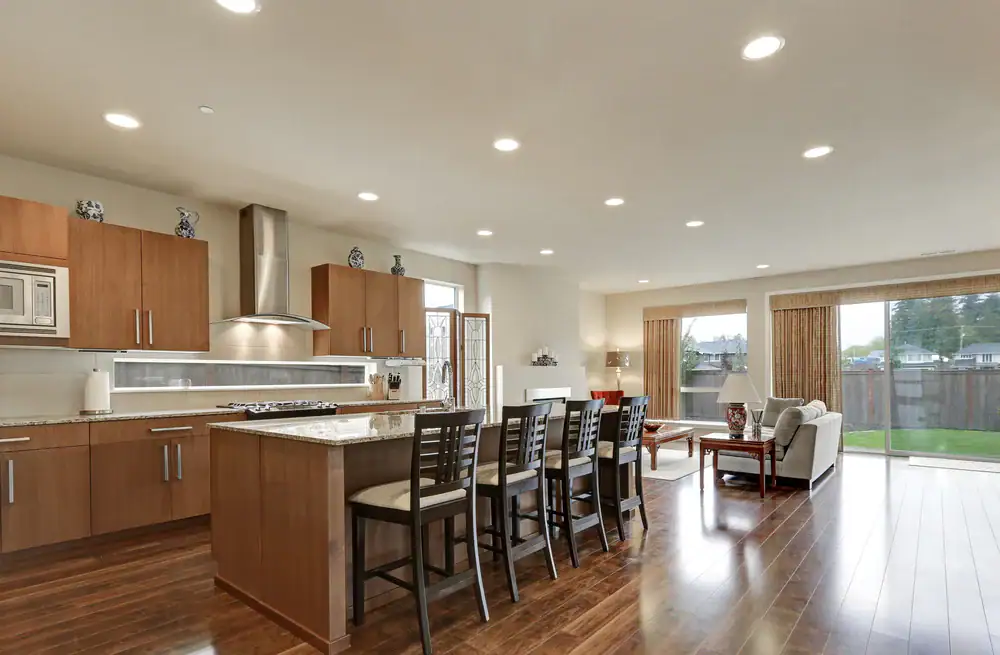
Refinishing Hardwood Floors in Richmond Virginia
You get a full assessment before we start. We measure the space, check the condition of the wood, and explain what process makes sense. If there are problem areas—deep scratches, water damage, boards that need replacing—we point them out and tell you what fixing them involves.
The refinishing work includes everything needed to complete the job. Dustless sanding equipment, stain if you want it, high-quality finish coats, and cleanup. We move furniture if needed, though it’s easier if you can clear the room beforehand. We also handle edge work and corners properly, which is where a lot of crews cut corners.
Dorset Woods homes often have oak flooring, which refinishes beautifully. Oak takes stain well and holds up to daily wear. If you’re dealing with pine or maple, those require slightly different approaches, and we adjust accordingly. Richmond’s humidity also affects how we time the drying process—something national chains don’t always account for.
After we’re done, your floors are protected with a durable finish that handles foot traffic, pet nails, and normal household use. You’re not babying them. You’re living on them. That’s the point of refinishing instead of replacing—you get the look of new floors with the durability of real hardwood that’s been properly restored.
How long does hardwood floor refinishing actually take from start to finish?
Most residential refinishing jobs are completed in one day. We typically start in the morning and finish by late afternoon or early evening, depending on the square footage and the condition of your floors.
The timeline breaks down like this: sanding takes a few hours, staining (if you’re doing it) takes another hour or two with drying time, and applying the finish coats takes the rest of the day. Water-based finishes dry faster than oil-based, which is why we can finish in one day instead of three or four.
You can walk on the floors with socks the next morning. Wait 24 hours before moving furniture back. Full curing takes about a week, but normal use is fine after that first day. If we’re doing a simple buff and coat instead of a full refinish, the timeline is even shorter—usually half a day.
Will refinishing hardwood floors create dust all over my house?
Not with dustless equipment. Traditional sanding creates a massive amount of fine dust that gets everywhere—in your vents, on your furniture, in your cabinets. It’s one of the main reasons people avoid refinishing.
We use a vacuum system attached directly to the sanding equipment. It captures about 99% of the dust at the source before it becomes airborne. You’ll still want to cover nearby furniture as a precaution, but you won’t be dealing with the cleanup nightmare that comes with old-school sanding.
This also means you can stay in your home during the work. No dust means no respiratory irritation, no gritty surfaces, and no need to pack up and leave for a few days. That’s a significant difference if you have kids, pets, or just don’t want to deal with the disruption of leaving your house.
How much does it cost to refinish hardwood floors versus replacing them?
Refinishing costs a fraction of replacement—usually somewhere between $3 to $5 per square foot for a standard refinish, depending on the condition of your floors and whether you’re staining them. A full replacement with new hardwood runs $8 to $15 per square foot or more, plus the cost of removing and disposing of the old flooring.
For a typical 500-square-foot area, refinishing might cost $1,500 to $2,500. Replacing the same space could easily run $4,000 to $7,500 or higher. That’s a significant difference, especially if your existing floors are solid hardwood in decent structural condition.
The other factor is time. Refinishing happens in a day. Replacement takes longer—tearing out old floors, prepping the subfloor, installing new material, finishing it. If your floors just need cosmetic improvement and aren’t structurally damaged, refinishing is the smarter financial move. If the wood is rotted, warped beyond repair, or you’re dealing with cheap laminate, then replacement makes more sense.
Can you change the color of hardwood floors when refinishing them?
Yes. Staining is part of the refinishing process if you want to change the color. Once we sand down to bare wood, you can go lighter, darker, or pick a completely different tone. Oak, maple, and other hardwoods take stain well, though each species absorbs color slightly differently.
Darker stains like espresso or walnut are popular right now, but the trend is shifting back toward natural, warmer tones—honey, golden oak, medium browns. We’ll show you samples so you can see how different stains look on your specific type of wood. Lighting in your home also affects how the color appears, so it’s worth testing a small area first.
Keep in mind that going lighter can be tricky if your floors are currently very dark. Sometimes the wood won’t lighten as much as you’d expect, depending on how deeply the previous stain penetrated. We’ll let you know what’s realistic based on your current floor condition. Changing color adds a bit of time to the process but not significantly—it’s still a one-day job in most cases.
What's the difference between buff and coat versus full refinishing?
Buff and coat is a lighter process for floors that are still in good shape but look dull or have minor surface scratches. We lightly scuff the existing finish with a buffer, clean the surface, and apply a fresh coat of polyurethane. It’s faster, less expensive, and doesn’t involve sanding down to bare wood.
Full refinishing means sanding off all the old finish and a thin layer of wood, then applying new stain (if desired) and new finish coats. This is what you need if your floors have deep scratches, water damage, uneven wear, or if the existing finish is peeling or heavily worn.
Most floors can be fully refinished multiple times over their lifespan—solid hardwood can handle 4 to 6 refinishes depending on thickness. Buff and coat can be done more frequently, maybe every 3 to 5 years, to maintain the finish without removing more wood. If you’re not sure which one your floors need, we’ll assess them and give you an honest recommendation. There’s no point in paying for a full refinish if a buff and coat will get the job done.
How long do I have to wait before putting furniture back on refinished floors?
You can walk on the floors with socks after 24 hours. Light furniture can go back after that same 24-hour window, but wait at least 48 to 72 hours before moving heavy pieces like sofas, beds, or dining tables. Use felt pads under furniture legs to avoid scratching the new finish.
The finish continues to cure for about a week, getting harder and more durable as it does. During that first week, avoid dragging anything across the floor and don’t put area rugs down yet—they can trap moisture and affect the curing process. After a week, you’re good to use the floors normally.
Water-based finishes cure faster than oil-based, which is another reason we typically use them. Oil-based finishes can take several days before you can walk on them and up to two weeks to fully cure. Water-based finishes also don’t yellow over time and have much less odor, so you’re not dealing with strong fumes while the finish dries. The trade-off used to be durability, but modern water-based products are just as tough as oil-based and often more scratch-resistant.
Other Services we provide in Dorset Woods