
Flooring Contractor in Bon Air, VA
Bon Air Homes Deserve More Than a Generic Floor Crew
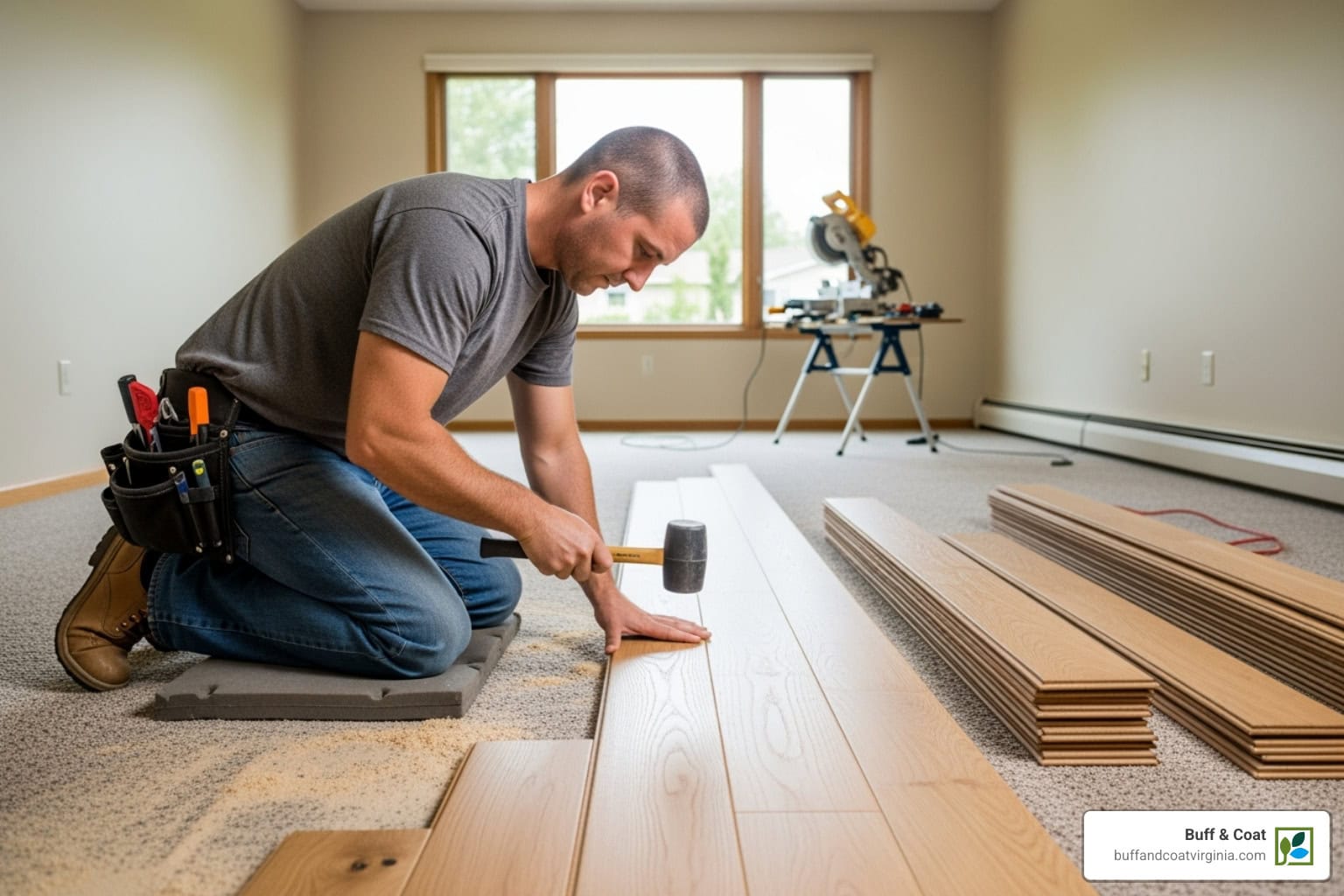
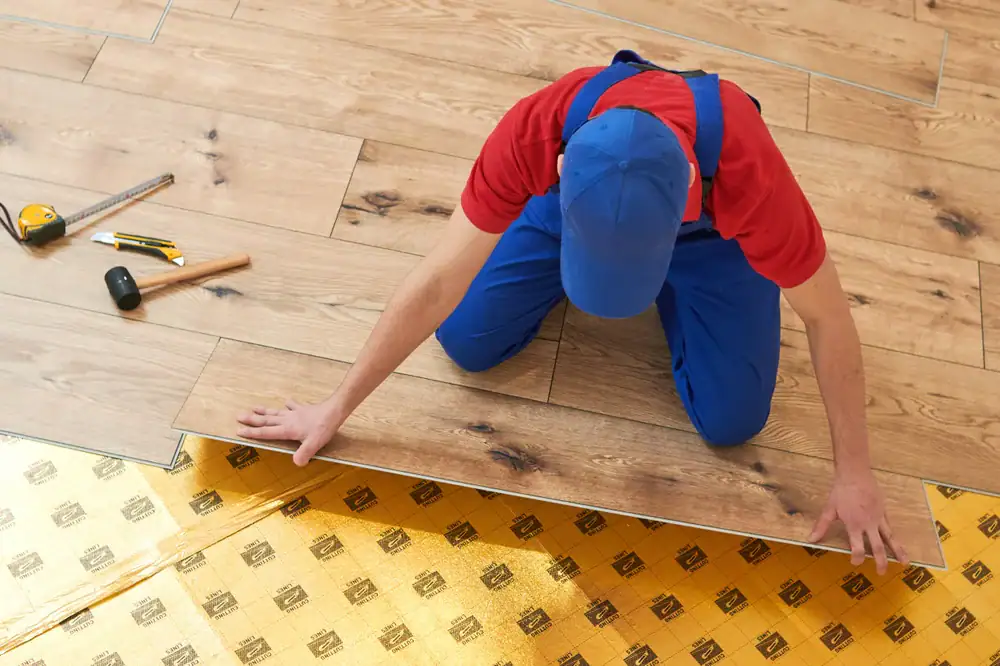
Hardwood Floor Refinishing Bon Air
There’s a version of your Bon Air home where the floors don’t embarrass you when guests walk in. Where the finish isn’t worn through in the hallway, the boards aren’t cupping from years of Richmond humidity, and you’re not wondering whether the whole thing needs to be ripped out and replaced. That version is closer than you think and it usually doesn’t require replacement at all.
Bon Air’s climate does a number on hardwood over time. Summers push indoor humidity past 80%, and then winter heating systems dry everything back out. That seasonal swing is exactly what causes the gapping, the finish cracking, and the slow dull that builds up year after year. The right refinishing process timed right and done with Virginia conditions in mind stops that cycle and gives the wood a fighting chance.
If you’re getting ready to list your Bon Air property in a market where homes are moving in around 20 days, refinished floors aren’t a luxury they’re leverage. The National Association of Realtors puts the return on hardwood floor refinishing at 147%, the highest of any interior remodeling project. A $3,000–$4,000 refinishing job on a home priced in the lower $400,000s can add real, measurable value before the first showing. That’s just math.
Local Hardwood Floor Experts Bon Air
We’re a hardwood-only operation. No carpet. No LVP. No tile samples in a showroom. Just hardwood floors refinished, restored, and installed by someone who has been doing this specific work in Bon Air and throughout Chesterfield County for over 20 years.
David Emmerling runs the jobs himself. That matters in a community like Bon Air, where word travels fast through neighborhoods like Brighton Green and Oxford. Over 80% of our new customers come through referrals not ads, not coupons. That kind of track record doesn’t happen by accident.
We’re licensed and insured in Virginia, and our work is covered under Chesterfield County’s contractor requirements. Whether you’re in a 1950s brick ranch off Huguenot Road or a Victorian-era home near the historic district on Buford Road, we’ve seen your floors before and know what they need.
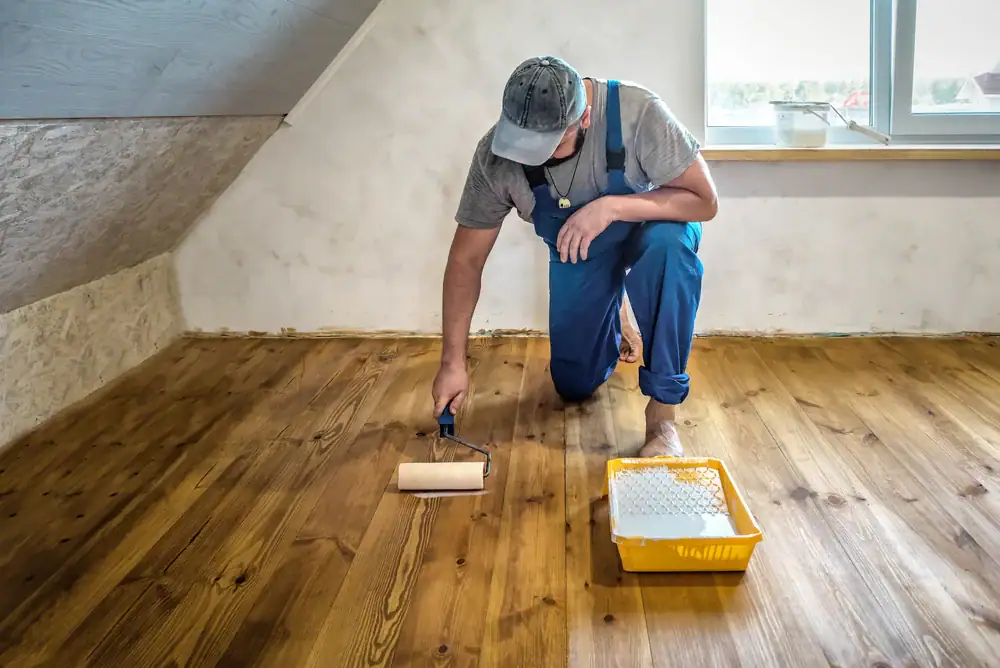
Floor Refinishing Process Bon Air VA
It starts with an honest assessment. Before any work is quoted or scheduled, we evaluate the condition of your floors how much wear is there, how many times they’ve likely been sanded before, whether the wood can handle another full sand or whether a buff and coat is the smarter call. That distinction matters, especially in older Bon Air homes where the original floors may have already been refinished multiple times over the decades.
If your floors qualify for a buff and coat which is the case more often than people expect the process typically wraps in a single day. The surface gets screened, cleaned, and recoated using a dustless system that keeps fine particles contained rather than drifting into your HVAC or settling onto the trim and furniture. For families in Brighton Green or Southampton Acres with kids in Chesterfield County schools, one day of minor disruption is a very different conversation than a multi-day project.
For floors that need full sanding deeper scratches, significant finish failure, staining that goes below the surface the process takes a bit longer, but our approach is the same: dustless, methodical, and calibrated for how Virginia’s humidity affects drying and finish adhesion. Fall and late spring are the best windows for refinishing in this climate, when humidity levels are moderate and the wood is most stable. You’ll know the timeline upfront, and there won’t be anything added to the scope without your sign-off.
Hardwood Flooring Services Bon Air VA
We offer two core services, and the one you need depends entirely on what your floors actually look like not what’s most profitable to recommend. The buff and coat starts at $1.50 per square foot and is designed for floors that have lost their finish sheen but don’t have deep structural damage. It’s a screen-and-recoat process: the surface gets lightly abraded, cleaned, and refinished. Done in a day. No heavy sanding. No days of drying time. For a lot of Bon Air homeowners especially those in mid-century homes in Crestwood Farms or Wayland where the floors are structurally solid but cosmetically tired this is the right answer.
Full sanding and refinishing is the heavier option, and it’s the right call when the damage goes deeper than the finish layer. Gouges, dark stains, severe cupping from years of humidity exposure, or floors that have simply never been refinished and are showing 40 or 50 years of wear those need the full process. It runs roughly 30–40% of what replacement would cost, which is a meaningful difference when you’re dealing with original hardwood that would cost significantly more to replace.
For homes in the Bon Air Historic District where original floors from the 1880s and early 1900s are part of what makes the property valuable the assessment step is especially important. Some of those floors have been sanded before, possibly more than once, and the remaining wood thickness determines what’s possible. We always aim to save the floor if it can be saved. That’s a conversation worth having before any work starts.
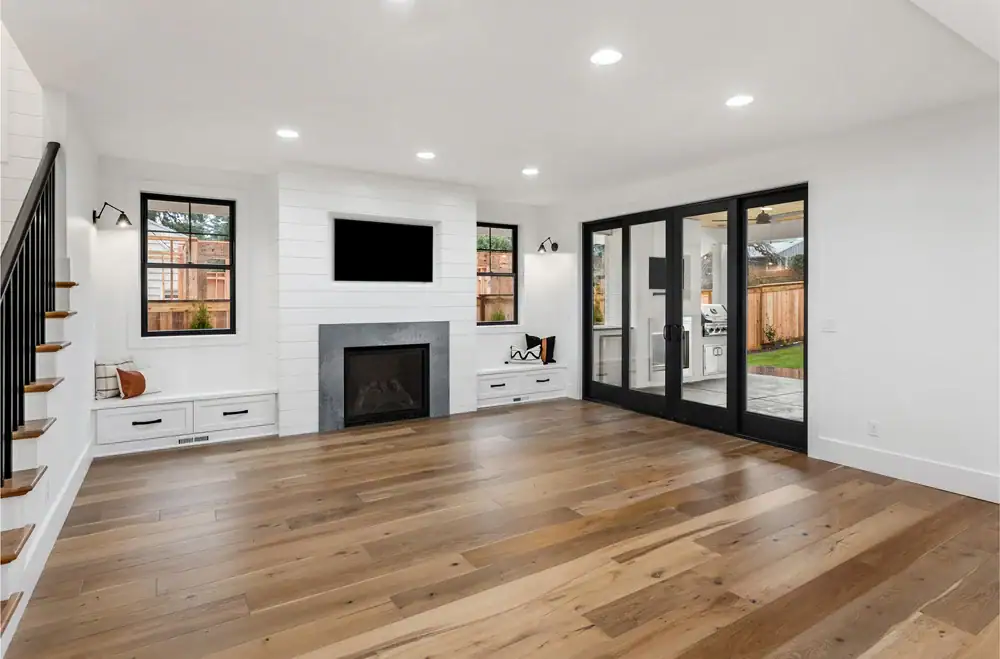
How do I know if my Bon Air home's floors need refinishing or full replacement?
The honest answer is that most hardwood floors in Bon Air don’t need to be replaced they need to be properly assessed. Replacement is the right call when the boards are structurally compromised: warped beyond what sanding can correct, cracked through, or so thin from repeated refinishing that there’s no wood left to work with. That’s a smaller category than most people assume.
For the majority of homes in Bon Air the mid-century ranches in Crestwood Farms, the split-levels in Southampton Acres, the colonials throughout Brighton Green the floors are solid. They may look rough. The finish might be gone in high-traffic areas, the boards might have surface scratches, and years of Richmond’s humidity swings may have caused some minor gapping. But solid hardwood with structural integrity can almost always be refinished. A proper in-person assessment takes the guesswork out of it entirely, and it costs you nothing to find out where your floors actually stand before committing to anything.
What is the difference between a buff and coat and full hardwood floor sanding?
A buff and coat sometimes called a screen and recoat works on the finish layer, not the wood itself. The surface gets lightly scuffed to give the new finish something to bond to, then a fresh coat is applied. It’s designed for floors where the sheen is gone and there may be light surface scratches, but the underlying wood is still in good shape. Starting at $1.50 per square foot, it’s a fraction of the cost of full refinishing, and it’s typically done in a single day.
Full sanding removes the finish entirely and takes the wood surface down to bare boards. It’s necessary when the damage goes deeper than the finish significant scratches, staining, cupping, or boards that haven’t been touched in decades. The tradeoff is time and cost, but the result is a completely fresh surface. For older Bon Air homes near the historic district where the floors may have decades of layered finish, full sanding is often the only way to truly restore what’s underneath. The right choice depends on your specific floors, which is exactly why the assessment step matters.
How does Chesterfield County's humidity actually affect hardwood floors over time?
This is one of the most underappreciated factors in hardwood floor maintenance in this area. Bon Air sits in a humid subtropical climate zone where summer humidity can push past 80–90% and winter heating systems drop indoor humidity dramatically. Wood is a natural material that responds to moisture it expands when humidity rises and contracts when it drops. That repeated cycle, year after year, is what causes the gapping you see between boards in winter, the cupping or slight warping that develops in summer, and the finish stress that leads to cracking and peeling over time.
The practical implication is twofold. First, the timing of refinishing matters late spring and early fall are the best windows in this climate because humidity is moderate and the wood is more dimensionally stable, which means better finish adhesion and more predictable results. Second, the finish product matters. Some finishes are more flexible and better suited to climates with significant seasonal humidity swings. Working with a contractor who understands Virginia’s specific conditions not just general refinishing technique makes a real difference in how long the results hold up.
Is dustless floor refinishing actually dustless, or is that just a marketing term?
It’s not completely dust-free that’s worth being upfront about. What dustless refinishing means in practice is that the sanding equipment is connected to a containment system that captures the vast majority of dust at the source, before it becomes airborne and settles throughout your home. The difference compared to traditional sanding is significant: instead of fine particles drifting into your HVAC system, settling on furniture, and coating every surface in the house, the dust stays largely contained and cleanup is minimal.
For Bon Air homeowners with older homes particularly those with original Victorian-era trim, detailed millwork, or antique furniture this matters beyond just convenience. Fine sanding dust in an older home can work its way into places that are genuinely difficult to clean. For families with young children, allergies, or anyone who doesn’t want to deep-clean the entire house after a floor project, the dustless process is a meaningful practical difference. It also means you’re back in your home faster, without the lingering cleanup that traditional sanding typically requires.
What does hardwood floor refinishing cost for a typical home in Bon Air, VA?
For a buff and coat the lighter, one-day service for floors that have lost their finish but are structurally sound pricing starts at $1.50 per square foot. For a typical living room and hallway combination, that often puts the total well under $1,000. Full sanding and refinishing runs higher, generally in the range of $3 to $8 per square foot depending on the condition of the floors, the species of wood, and what prep work is involved.
To put that in perspective: full hardwood floor replacement typically runs $8 to $15 or more per square foot, including materials and installation. Refinishing is almost always 30–40% of that cost, which is a significant difference especially for Bon Air homeowners with original hardwood in mid-century homes that would be expensive to replicate. If you’re preparing to list your home in a market where properties are moving in around 20 days, the investment in refinishing is also one of the highest-returning projects you can make before going live. Every project gets a specific quote after an in-person assessment, so the numbers you’re working with are accurate to your actual floors.
Can original hardwood floors in a historic Bon Air home be refinished safely?
Yes but it requires a more careful assessment than a standard refinishing job. The homes in and around Bon Air’s historic district along Buford Road may have original hardwood floors from the 1880s through the early 1900s. Those floors are often narrow-strip oak or heart pine, and they may have been refinished once or several times already. The key variable is how much wood thickness remains above the tongue-and-groove joint if there’s enough material left, the floor can be refinished again. If previous sandings have taken the surface too close to the tongue, additional sanding risks structural damage.
The assessment process looks at exactly this: wood species, current thickness, finish condition, and whether a full sand or a lighter buff and coat is the appropriate approach. In many cases, a buff and coat is actually the better option for historic floors it refreshes the surface without removing more wood than necessary, which preserves the floor’s long-term viability. Our goal with any historic floor is to restore it without shortening its remaining lifespan. That’s a conversation worth having in detail before any work begins, and it’s one that a hardwood specialist is far better equipped to have than a general flooring contractor.