
Floor Sanding in Huguenot, VA
South Side Floors Deserve More Than a Quick Fix
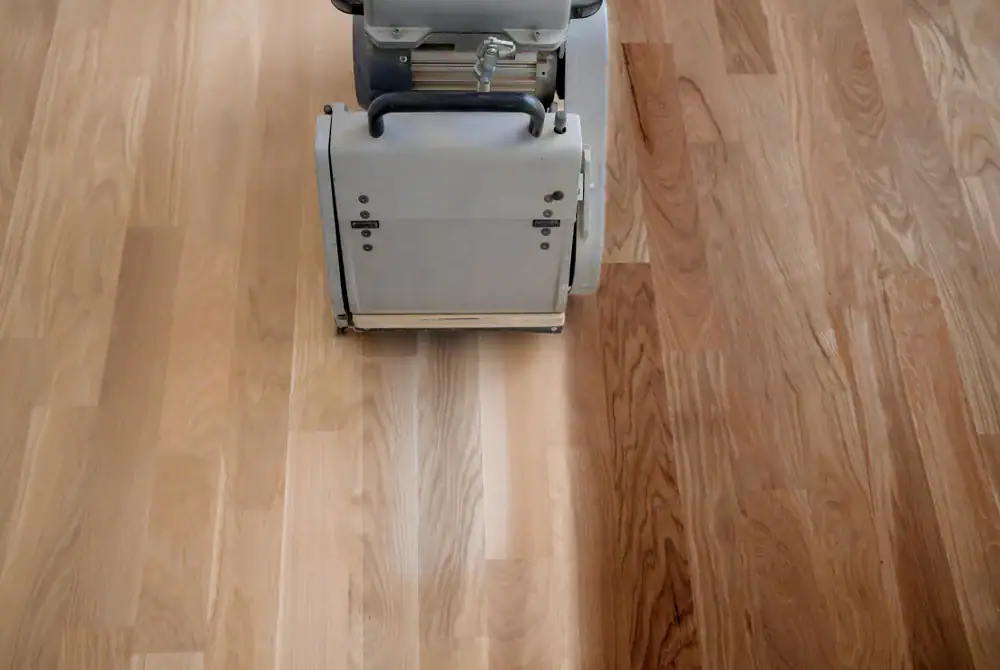
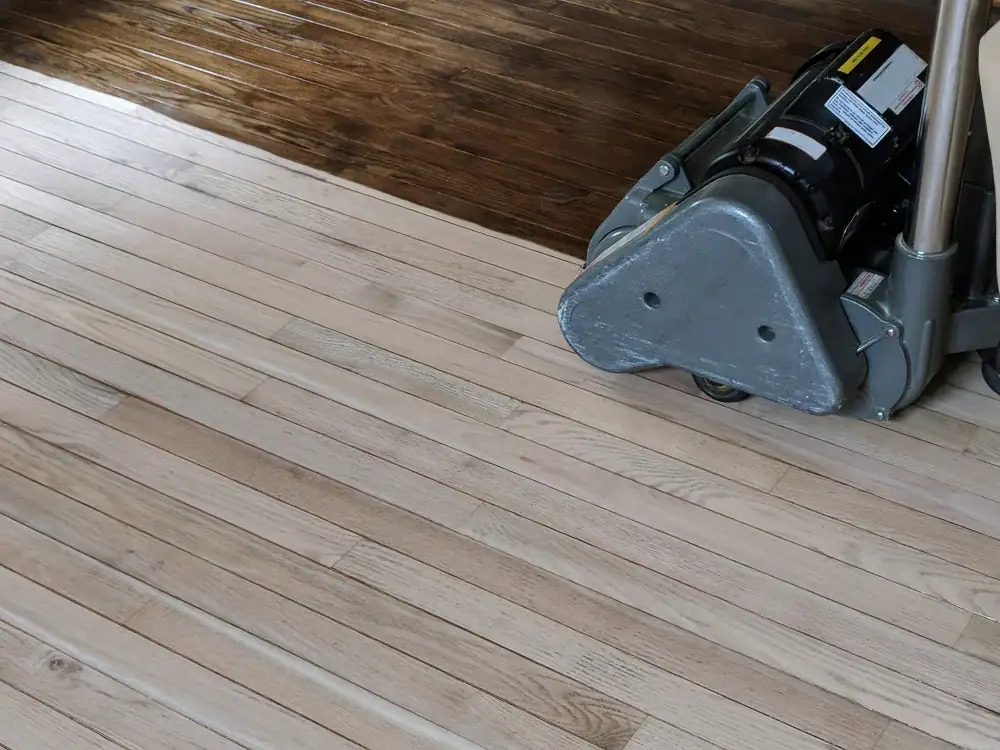
Hardwood Floor Refinishing Huguenot VA
Most homes throughout Huguenot were built between the 1940s and 1970s. That means the hardwood under your feet if it’s still there is original, solid, and almost certainly worth saving. After professional floor sanding, you’re not looking at a patched-up floor. You’re looking at the real thing, restored. Deep scratches gone. Dull, yellowed finish replaced. The grain of the wood reading the way it was always meant to.
Living near the James River comes with tradeoffs. Richmond’s humidity puts hardwood through a seasonal cycle of expansion and contraction that shows up as cracked finish, surface cupping, and wear that no amount of cleaning fixes. Sanding gets below all of that down to clean wood so a fresh finish can actually bond and hold. The result isn’t just better-looking floors. It’s floors that are protected against the same conditions that wore them down in the first place.
And if you’re thinking about selling, the numbers are worth knowing. The National Association of REALTORS® puts the return on hardwood floor refinishing at 147%. On a home valued around Huguenot’s median of $525,000, that math matters. Refinishing runs $3–$8 per square foot. New installation runs $6–$25. For most homes in this neighborhood, the floor is already there it just needs to be brought back.
Floor Restoration Services in Huguenot
Buff and Coat is owned and run by David Emmerling, who has been refinishing hardwood floors in the Richmond area for over 20 years. I’m not a call center. I’m not a subcontractor dispatched from a national system. When you reach out, you’re talking to the person who actually knows your floors and whose name is on every job.
That matters in a neighborhood like Huguenot, where homes along Cherokee Road and throughout the Stony Point corridor have original hardwood that’s been through decades of Richmond summers and winters. I’ve worked in these homes. I know the species, the conditions, and the finish choices that actually hold up here not just what looks good in a brochure.
We’re licensed, insured, and have maintained a consistent 5-star Google rating built on real reviews from real Richmond homeowners. No inflated claims. No pressure. Just honest work on floors that deserve it.
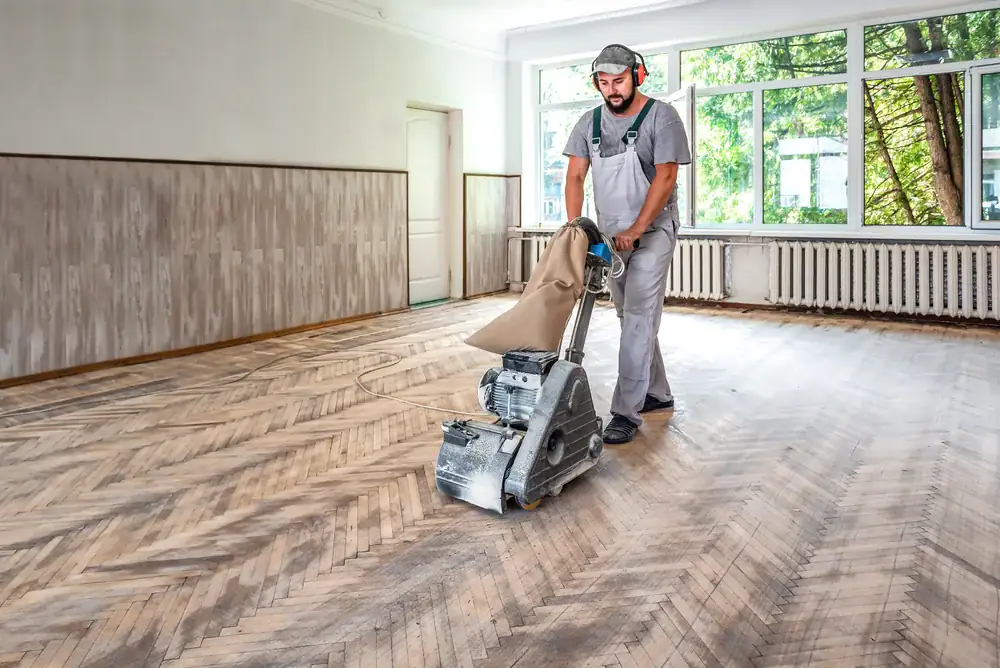
Dustless Floor Sanding Process Huguenot
It starts with an assessment of what you’re actually working with. Older Huguenot homes especially the Colonial Revival and split-level builds common throughout the neighborhood often have original 3/4-inch solid hardwood that’s been covered by carpet, painted over, or refinished with a product that’s long since failed. Before any work begins, we evaluate the floor for thickness, condition, and whether sanding, a full refinish, or a lighter buff and coat is the right call. You’ll know what you’re getting and why before anything starts.
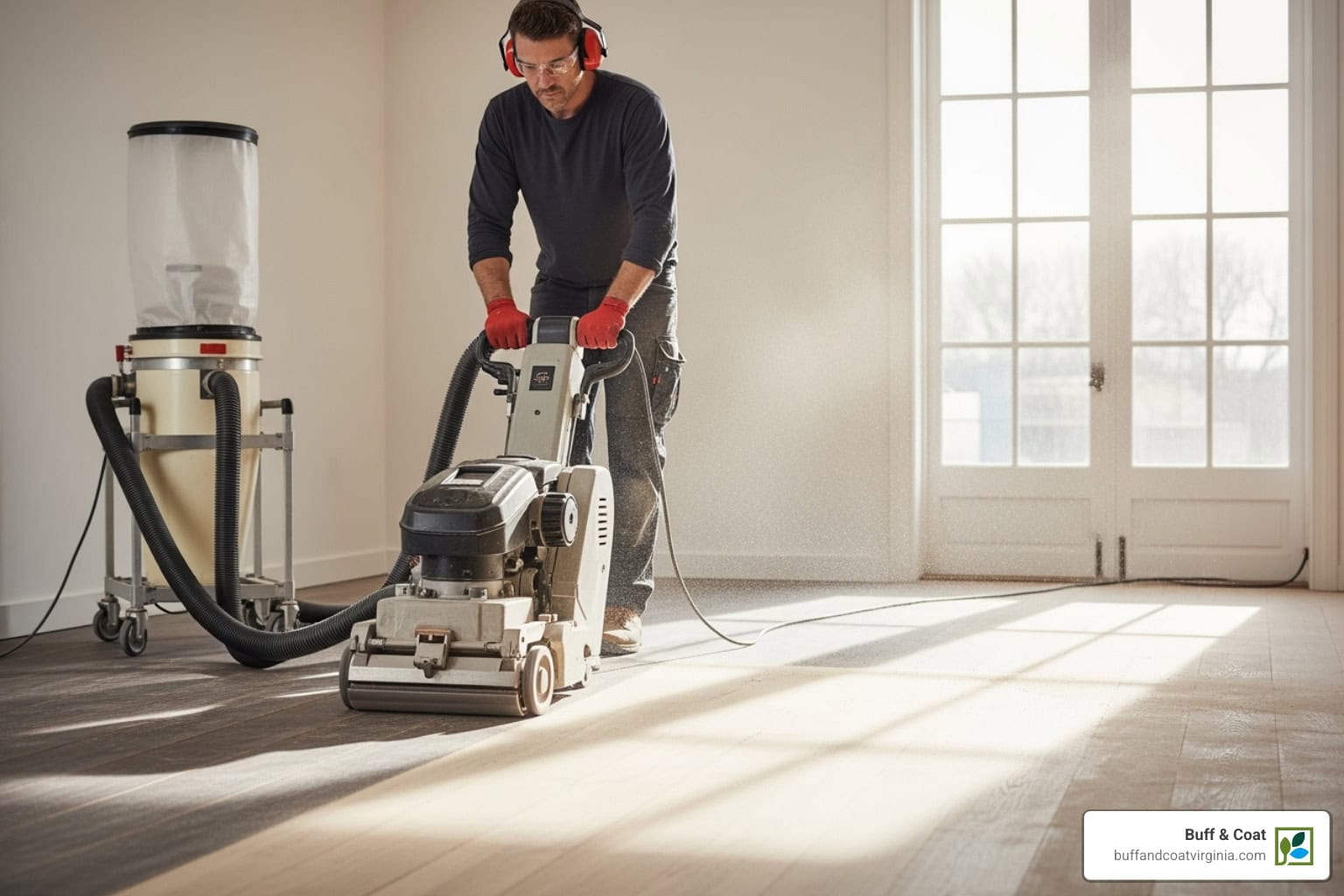
From there, our dustless sanding equipment goes to work. This isn’t a system that “reduces dust by 80%” it captures it at the source. For a home with established furniture, art, and interiors, that distinction is real. The sanding removes the old finish and surface damage down to clean wood, and then the floor gets stained (if you want it) and finished with a water-based, low-VOC product that dries faster and won’t amber over time the way oil-based finishes do.
Most projects in Huguenot are done in a single day. Richmond’s humidity is a genuine factor in finish curing, so timing recommendations will account for the season and your home’s indoor conditions especially if you’re closer to the river. By the time the job wraps, you’re not waiting days to get back to your house. You’re back on your floors the same day or the following morning.
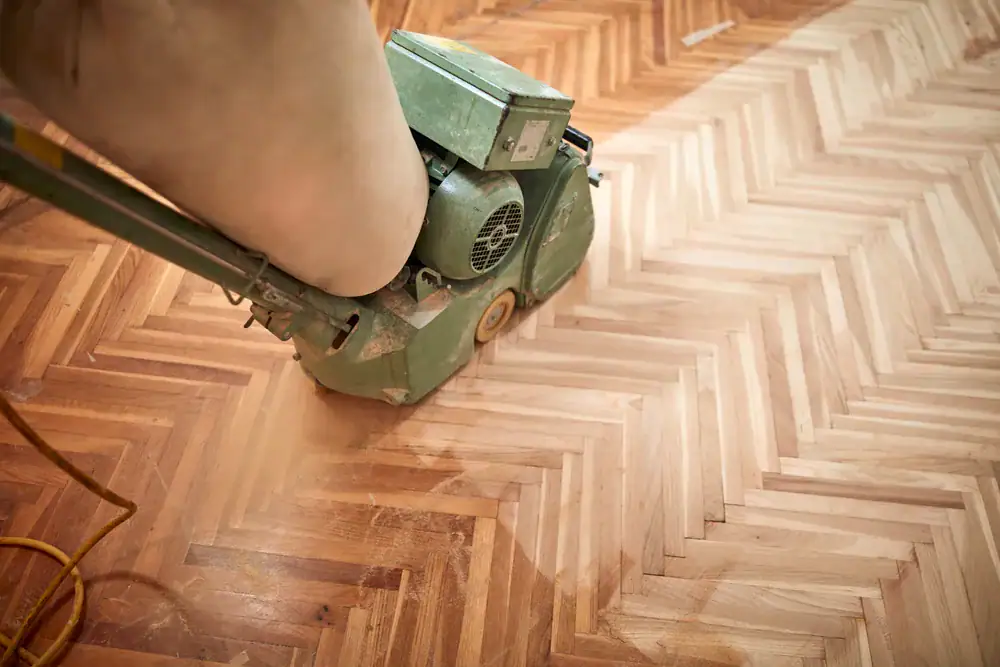
Sanding Wood Floors in Huguenot VA
Not every floor needs a full sand-down, and not every floor can get away with just a surface treatment. Part of what we bring to Huguenot homes is an honest read on which one you actually need. Full floor sanding removes the existing finish entirely, levels the surface, and opens the wood up for a fresh stain and finish application. It’s the right call for floors with deep scratches, significant wear paths, or finish that’s cracked and peeling from years of Richmond’s humidity cycles. The buff and coat process a lighter, non-invasive refresh works well for floors that are structurally sound but have lost their sheen. It skips the aggressive sanding and focuses on cleaning, lightly abrading, and recoating the surface. It’s faster, less disruptive, and the right answer for floors that don’t need the full treatment.
For Huguenot homeowners renovating older homes updating a kitchen, reconfiguring a layout, adding square footage we also handle floor matching. Getting new hardwood to read seamlessly alongside original 1960s oak is a technically demanding job, and it’s one that shows up in our reviews. Beyond that, stain and finish consultation is part of every project. If your floors were refinished to a cool gray a few years back and you’re noticing they feel dated, that’s not an accident the market has shifted toward natural, warm tones, and your floors can shift with it.
Pricing runs $3–$8 per square foot depending on scope and condition, with most standard projects falling between $1,103 and $2,673. No hidden fees. No upsell pressure.
Can my 1960s Huguenot hardwood floors actually be refinished after this many years?
Almost certainly yes and this is one of the most common questions we hear from homeowners in Huguenot’s older housing stock. Solid hardwood floors installed in the 1940s through 1970s were typically laid at 3/4-inch thickness, which means they can be professionally sanded multiple times over their lifetime without compromising structural integrity. Age alone doesn’t disqualify a floor.
What matters is the condition of the wood itself whether it’s cupped severely, whether previous sanding has thinned it significantly, and whether any water damage has caused rot or warping beyond the surface. A proper assessment before any work begins will tell you exactly where your floor stands. In most cases, what looks like a floor that’s “too far gone” is actually a floor that just needs the right process. The wood underneath decades of wear and failed finish is often in better shape than the surface suggests.
How long will I actually be out of my house during the floor sanding process?
For most Huguenot homes, you won’t need to leave at all or if you do, it’s for a few hours, not days. We complete the majority of projects in a single day, and the water-based, low-VOC finishes we use dry fast enough that most homeowners are back on their floors the same evening or by the following morning.
Traditional oil-based finishes are a different story they off-gas heavily and can require 48–72 hours before the home is comfortable to occupy. Water-based finishes eliminate that problem. If you have young children, pets, or anyone in the household with respiratory sensitivities, that’s a meaningful difference. The short answer: plan for a day, not a week, and you won’t need to book a hotel or stack your furniture in the garage for multiple nights.
What does dustless floor sanding actually mean is it really dust-free?
The term gets used loosely in this industry, so it’s worth being direct about what it means in practice. Some systems advertise “dust reduction” typically 80% or more which still leaves a meaningful amount of fine particulate spreading through the house. Our process captures dust at the source during sanding, which is a fundamentally different approach than filtering it after it’s already airborne.
For homeowners in Huguenot with established interiors original millwork, art, window treatments, built-ins the difference between true containment and partial reduction is real. You shouldn’t need to deep-clean your entire home after a floor refinishing project. The goal is to sand the floors, not redecorate everything around them. Customer reviews consistently reflect a mess-free experience, which is the most honest verification of any dustless claim.
My floors have started cupping and gapping is that a humidity problem or a floor problem?
In Huguenot, it’s almost always humidity and that’s actually good news, because it means the floor itself is responding normally to its environment, not failing structurally. Richmond’s humid subtropical climate, amplified by proximity to the James River, puts hardwood through a seasonal cycle: wood expands in summer as it absorbs moisture, then contracts in winter when indoor air dries out. Over years, that movement stresses the finish and causes the boards to cup, gap, and eventually crack the surface coating.
Sanding addresses the surface damage and gives the floor a fresh start with a finish that’s properly applied and suited to your home’s conditions. It won’t eliminate Richmond’s humidity, but a well-executed refinish with the right product choice for your home’s moisture exposure will hold up significantly longer than a floor that was finished with the wrong product or at the wrong time of year. If the cupping is severe, the assessment before work begins will tell you whether sanding is sufficient or whether additional moisture mitigation is worth considering first.
How do I choose between a water-based and oil-based finish for my floors?
For most Huguenot homes, water-based is the stronger choice and here’s the practical reasoning. Water-based finishes dry faster, which means less disruption and a quicker return to normal life. They don’t amber over time, so if you want your floors to read as a natural or cool tone, that color stays consistent for years. They also off-gas far less than oil-based products, which matters if your household includes kids, pets, or anyone sensitive to fumes.
Oil-based finishes do offer a warmer, slightly richer look right out of the gate, and some homeowners prefer that for older homes where a traditional aesthetic matters. They’re also more forgiving in certain application conditions. The tradeoff is longer cure time, stronger odor during and after application, and a finish that will gradually yellow which can work for or against you depending on the stain color you’ve chosen. In a consultation, the right answer depends on your specific floor, your household, and the look you’re going for. There’s no universal winner, but for most homes in this neighborhood, water-based performs better across the board.
Is refinishing my floors before listing my Huguenot home actually worth the cost?
The data on this is consistent and it’s worth knowing before you decide. The National Association of REALTORS® documents a 147% return on investment for professional hardwood floor refinishing meaning the cost of the project typically comes back to you and then some in the form of a higher sale price or faster sale. Homes with refinished hardwood floors sell for up to 2.5% more than comparable homes without them. On a Huguenot home priced around the neighborhood median of $525,000, that’s a potential $13,000+ difference.
Buyers touring homes in this price range notice floors immediately. A dull, scratched, or visibly worn floor signals deferred maintenance and gives buyers a negotiating point. A freshly refinished floor does the opposite it signals a well-cared-for home and photographs significantly better for listings. The cost of refinishing ($3–$8 per square foot) is a fraction of what buyers will mentally deduct from an offer when the floors look tired. For most Huguenot sellers, it’s one of the clearest-cut pre-listing investments available.