
Hardwood Floor Installation in Glen Allen, VA
Glen Allen Homes Deserve Floors Built to Last Through Virginia's Summers
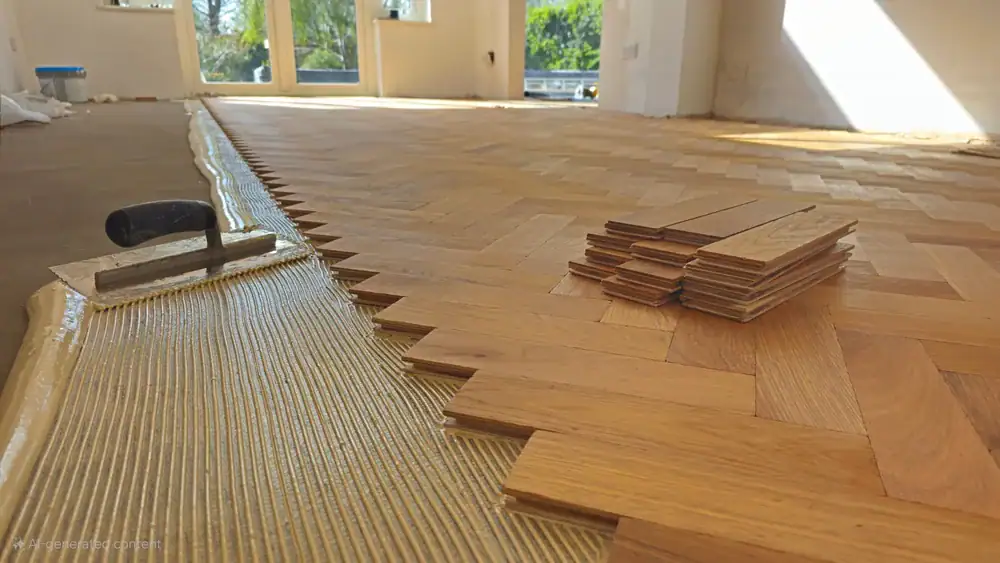
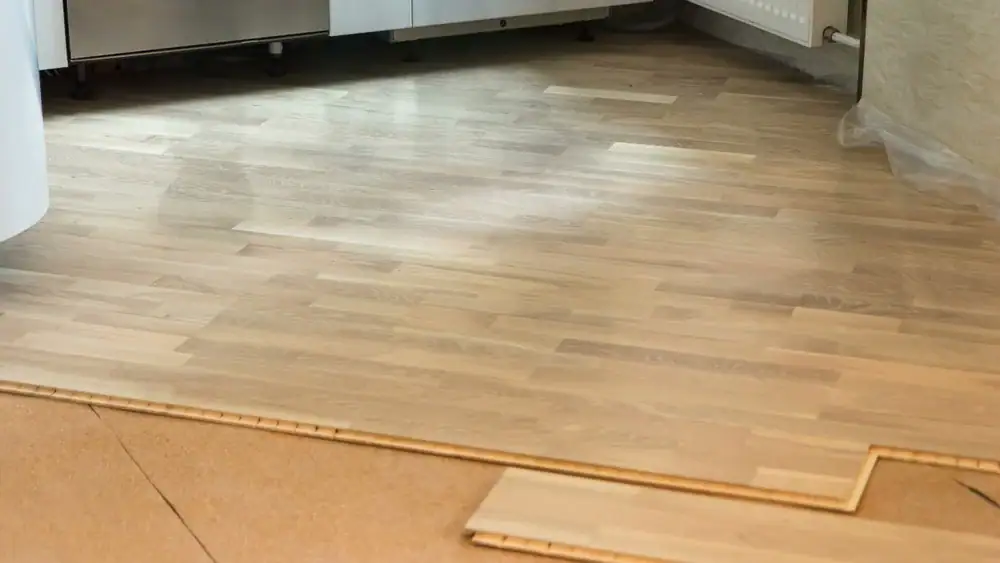
Professional Hardwood Floor Installers Glen Allen VA
Most floor installation problems don’t show up on day one. They show up in July, when Glen Allen’s humidity climbs and the wood we never tested starts to buckle. Or in January, when the heat kicks on and gaps appear between boards that were laid too tight with no room to breathe. By then, the crew is long gone and the problem is yours to fix.
When moisture is tested before a single plank goes down both the subfloor and the wood itself those problems don’t happen. That’s not a sales pitch. It’s just how wood behaves in a humid subtropical climate, and it’s why skipping that step is the single biggest mistake installers make in this area.
Glen Allen’s housing stock adds another layer to this. Most homes here were built in the late 1980s and 1990s, which means subfloors that have been through 30-plus years of Virginia humidity cycling. Some are warped. Some have soft spots. Some have minor delamination that won’t be obvious until weight is on the floor. Finding and fixing those issues before installation is what separates a floor that lasts decades from one that starts failing before the first winter is over.
Local Floor Installers in Glen Allen
Buff and Coat has been working in Henrico County homes since 2012. Our shop sits on Staples Mill Road the same U.S. Route 33 corridor that runs right through Glen Allen which means this isn’t a company driving in from another county to do a job. The homes here, the roads, the neighborhoods from Wyndham to Twin Hickory to Virginia Center this is familiar ground.
Owner David Emmerling has been on the tools since the beginning. There’s no franchise overhead, no national call center routing your job to whoever’s available. When you book with us, you’re dealing with a company that has a real stake in how the work turns out, because our reputation is built entirely on what homeowners in Glen Allen and the surrounding area say about it.
Hundreds of five-star Google reviews from Richmond-area homeowners back that up. Not reviews from markets across the country reviews from your actual neighbors in Glen Allen.
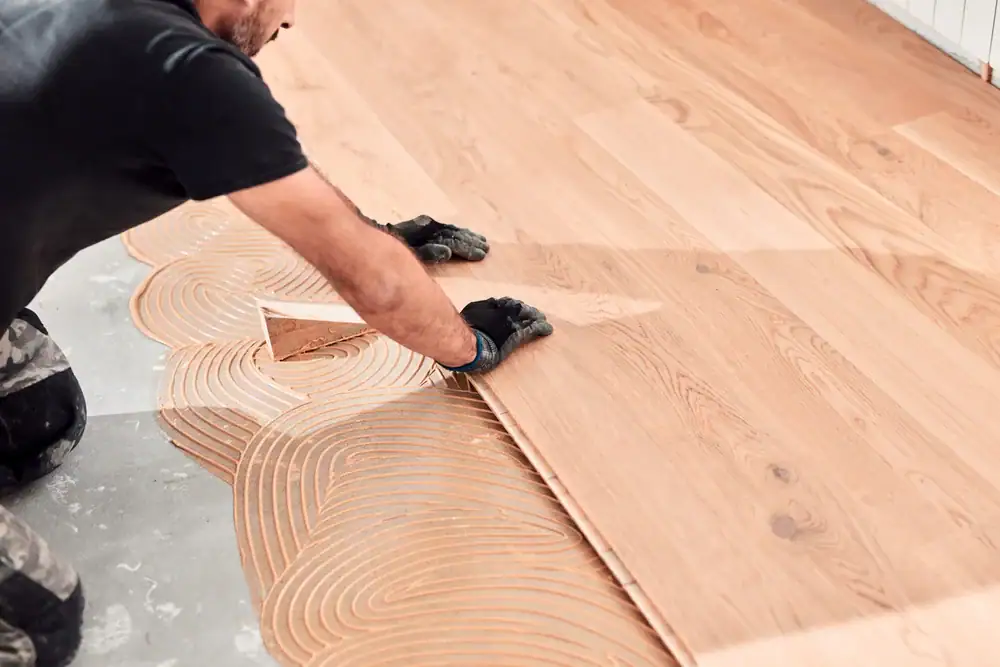
Hardwood Floor Installation Process Glen Allen
It starts before any wood comes out of the truck. We assess the subfloor first levelness, stability, and moisture content. In Glen Allen, where clay-rich Piedmont soil can push moisture upward through slab foundations common in newer planned communities, that moisture reading matters more than most homeowners realize. If the subfloor needs correction, we correct it before installation begins. Not patched over. Fixed.
Once the subfloor clears, the wood gets acclimated to your home’s specific conditions. This step is non-negotiable in Virginia’s climate. Wood that hasn’t adjusted to your indoor humidity level before it’s nailed down will move after installation and that movement is what causes gaps and crowning. The acclimation period varies by season, so if you’re scheduling during Glen Allen’s humid summer months, we account for that in our timeline. Rushing past this step is one of the more common ways installations go wrong.
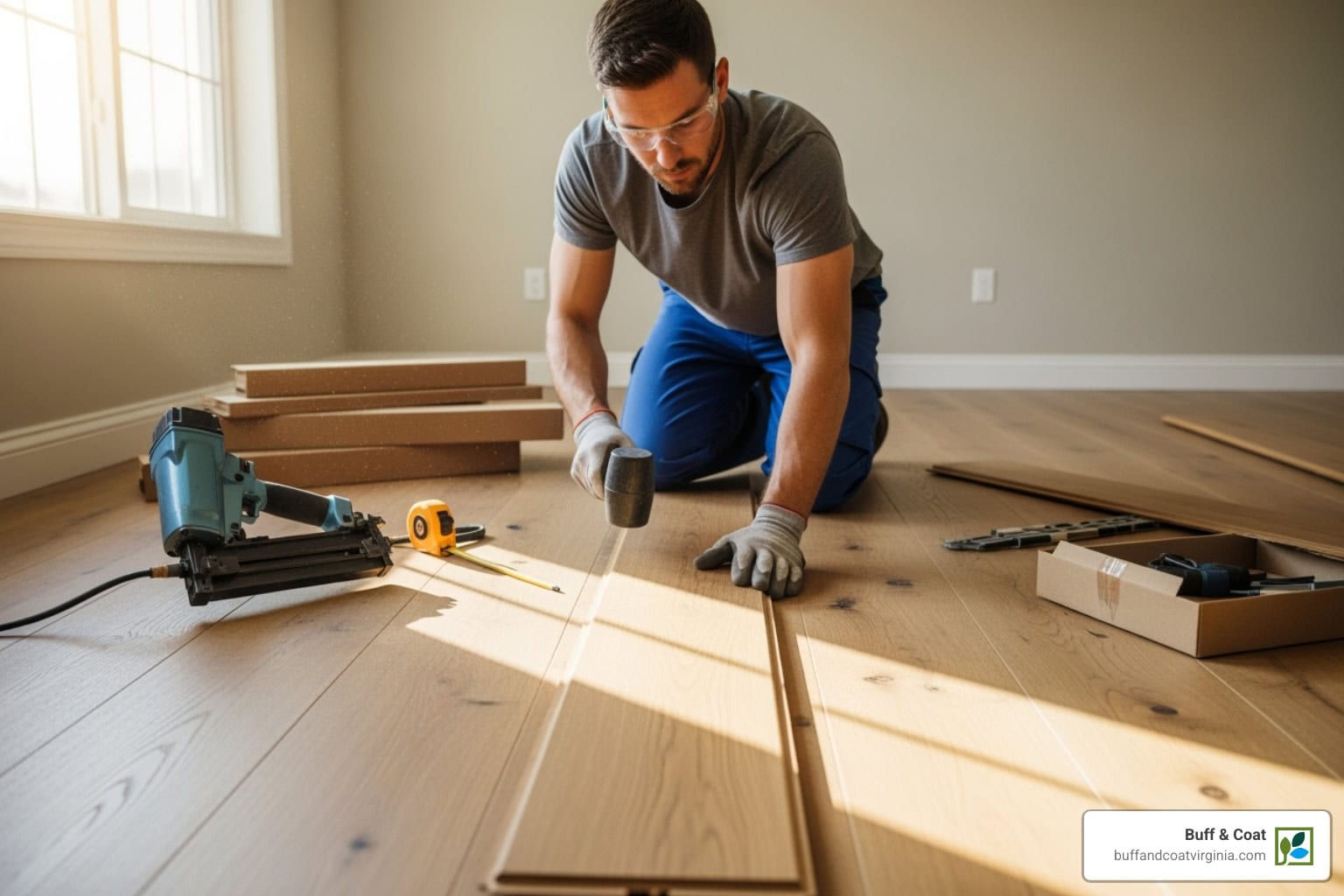
From there, installation follows a clean, structured process: layout planning, fastening, and finishing. Most jobs are completed in about three days. Your home gets left clean, and you get floors that were built for the conditions you actually live in not floors that were rushed through for the sake of a faster booking.
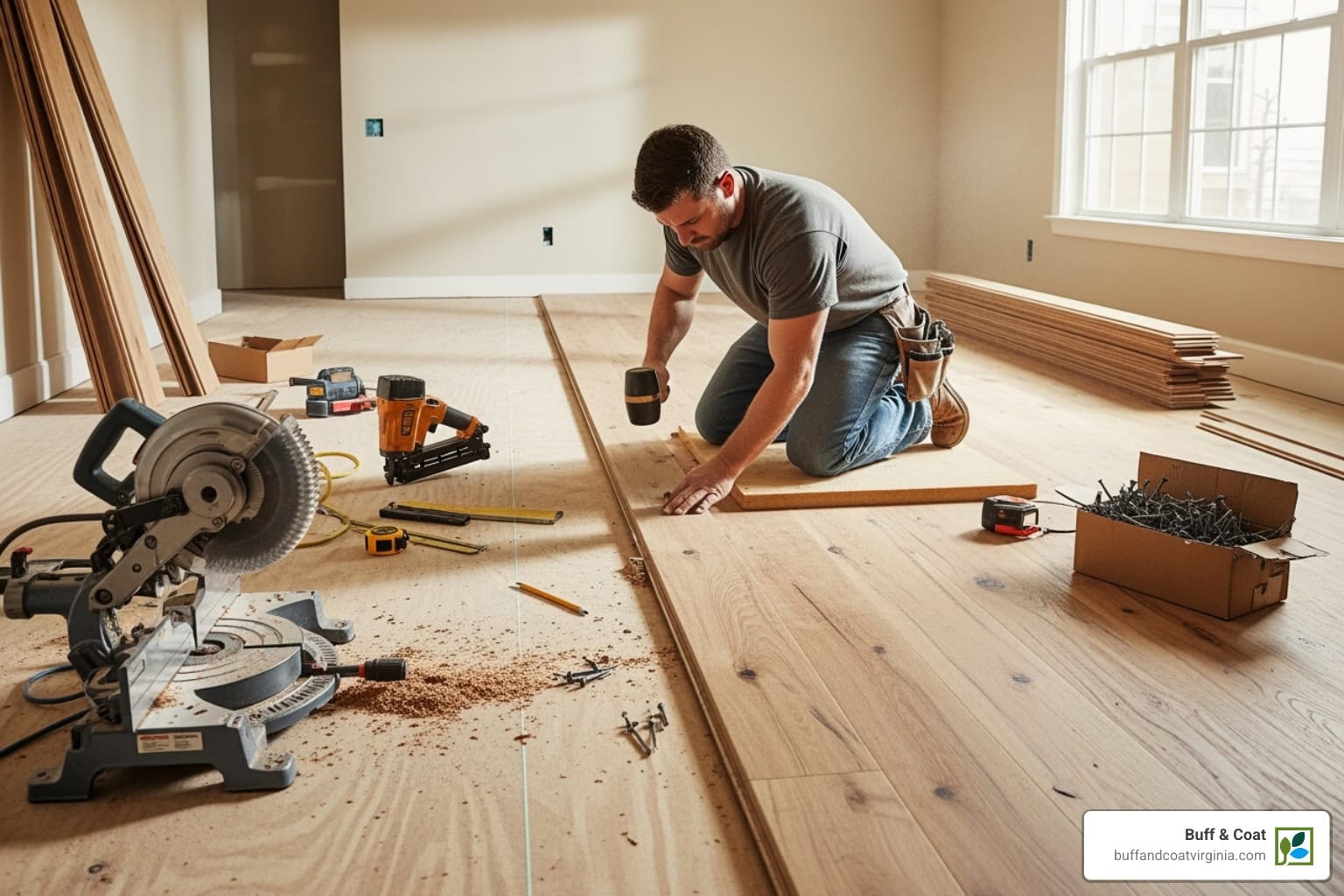
New Wood Floors and Solid Hardwood Glen Allen
Not every room in a Glen Allen home calls for the same material. Solid hardwood is a strong choice for wood-framed subfloors in the 1990s colonials that make up a large part of the housing stock here but in homes with concrete slab foundations, which are more common in newer developments like River Mill, engineered hardwood is often the smarter call. It handles moisture pressure from below far better than solid wood, and it still gives you the real hardwood surface and look you’re after.
We walk you through that decision before any material gets ordered. The goal is to match the floor to your subfloor type, your household’s lifestyle, and your budget not to upsell you on the most expensive option available. If you’re in a Wyndham home with original 1990s hardwood that’s been refinished a few times and has reached the end of its life, that conversation looks different than if you’re in a new construction home near Virginia Center Commons looking to upgrade from builder-standard flooring.
Hardwood flooring installation cost in Glen Allen typically runs between $4,700 and $7,000 for most residential projects, depending on square footage, material selection, and subfloor condition. If subfloor repairs are needed which is common in homes of this age that can add to the overall investment. You’ll know what to expect before work begins, not after.
Does Glen Allen's humidity actually affect how hardwood floors are installed?
It does, and it’s one of the most underestimated factors in the whole process. Glen Allen sits in a humid subtropical climate zone, which means summer humidity levels can push indoor moisture content high enough to cause wood to expand noticeably. If that wood gets installed before it’s acclimated to your home’s specific conditions or before the subfloor moisture is tested it can buckle, crown, or develop gaps once the HVAC system pulls humidity back down in fall and winter.
The standard industry requirement is that your home’s permanent heating and cooling system has been running for at least five days before installation begins. Beyond that, the wood itself needs time to adjust to your indoor environment. The acclimation window is longer in summer than in spring or fall, and we account for that in our scheduling not just the installation day. Skipping these steps is the most common reason floors fail in Glen Allen homes within the first year.
How much does hardwood floor installation cost in Glen Allen, VA?
For most residential projects in Glen Allen, you’re looking at a range of roughly $4,700 to $7,000 depending on square footage, the material you choose, and the condition of your existing subfloor. Solid hardwood tends to cost more per square foot than engineered hardwood, and the labor rate varies based on the complexity of the layout and any prep work required.
The number that catches Glen Allen homeowners off guard is subfloor repair. In Glen Allen, where a large portion of the housing stock was built in the late 1980s and 1990s, subfloors have had decades of humidity exposure. Soft spots, minor warping, and delamination are common in homes of this age and those issues need to be addressed before installation, not ignored. Subfloor repairs can add anywhere from $900 to $3,000 to the project depending on what’s found. A straightforward estimate should account for this possibility upfront so you’re not hit with surprises mid-job.
What's the difference between solid hardwood and engineered hardwood for my home?
Solid hardwood is exactly what it sounds like a single piece of wood from top to bottom. It’s durable, can be sanded and refinished multiple times over its life, and is generally the right choice for wood-framed subfloors in above-grade rooms. Most of Glen Allen’s 1990s-era single-family homes fall into this category, and solid hardwood works well in those settings when moisture levels are properly managed.
Engineered hardwood has a real hardwood veneer on top but is built in layers underneath, which makes it significantly more stable in the presence of moisture. For rooms over concrete slabs more common in some of Glen Allen’s newer planned communities and additions engineered hardwood is often the better fit. It handles the moisture pressure that concrete transfers upward far more reliably than solid wood. The surface still looks and feels like real hardwood, and it can still be refinished, though typically fewer times over its life than solid. The right choice depends on your specific subfloor and where in your home you’re installing.
Do I need a permit for hardwood floor installation in Henrico County?
For most standard hardwood floor installations in a residential home, no permit is required. Replacing or installing floor covering whether hardwood, engineered hardwood, or similar materials is generally considered a cosmetic improvement under Virginia’s residential building code and doesn’t trigger a permit requirement on its own.
Where it gets more nuanced is subfloor repair. If the repair work involves structural framing replacing joists, sistering structural members, or making changes to the floor structure itself Henrico County’s Department of Building Construction and Inspections may require a permit. Their office is located at 4301 East Parham Road. In most cases, the subfloor corrections that come up during a standard Glen Allen installation don’t reach that threshold, but it’s worth confirming with us before work begins if there’s any question about the scope of the prep work involved.
How long does hardwood floor installation take in a typical Glen Allen home?
Most residential installations are completed in about three days from start to finish, though that can vary based on square footage, the complexity of the layout, and how much subfloor prep is needed going in. A straightforward installation in a standard-sized room with a clean, level subfloor moves faster than one that requires leveling, patching, or moisture barrier work first.
One thing worth planning around is the acclimation period before installation begins. Wood needs time to adjust to your home’s temperature and humidity before it goes down typically 48 to 72 hours at minimum, and longer during Glen Allen’s humid summer months. This isn’t dead time; it’s a necessary step that protects the finished floor. If a company quotes you a start-to-finish timeline without mentioning acclimation, that’s worth asking about.
Can hardwood floors be installed over a concrete slab in Glen Allen?
Yes, but it requires the right material and proper moisture testing first. Solid hardwood is generally not recommended directly over concrete the moisture that concrete naturally holds and transfers can cause solid wood to expand, warp, or cup over time. Engineered hardwood is the more reliable choice for slab installations because its layered construction handles that moisture movement much better.
Before any wood goes down over concrete, the slab needs to be tested for moisture content using industry-standard methods. In Glen Allen specifically, the clay-rich Piedmont soil common to this part of Henrico County retains moisture and can push it upward through concrete over time meaning a slab that reads fine in February may read differently in August. That seasonal variation is something we account for, not just test once and move on. Newer construction in Glen Allen communities built on slab foundations including some of the more recent planned developments runs into this regularly, and getting the moisture assessment right before installation is what keeps those floors performing the way they should.
Other Services we provide in Glen Allen