Why Choosing the Right Wood Floor Supply Makes All the Difference
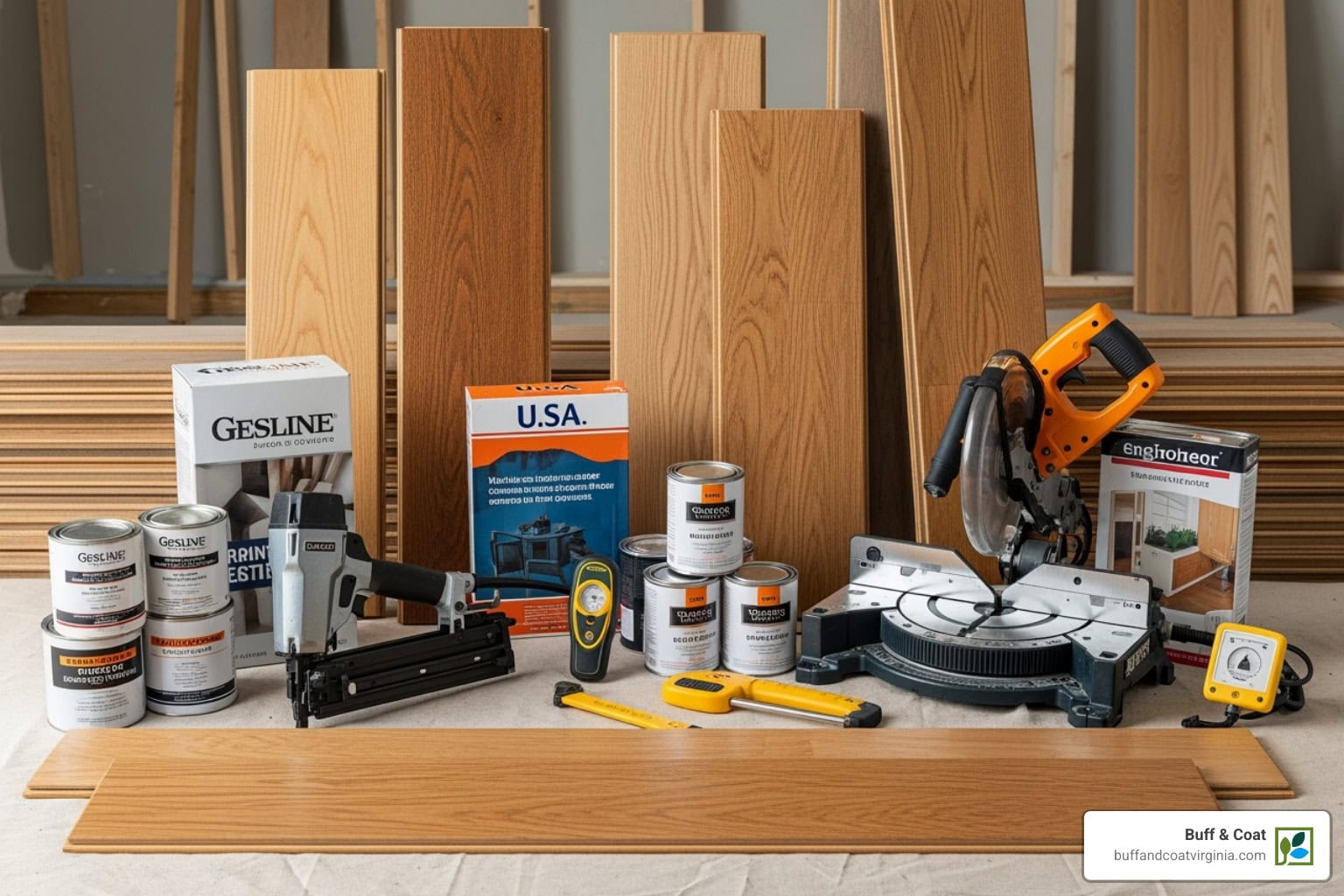
The term wood floor supply covers everything from hardwood planks to the tools, finishes, and accessories for a successful project. Making the right choices is the first step toward achieving the beautiful, durable floors that are a hallmark of the expert flooring services we provide. The quality of your materials directly impacts the beauty and longevity of your finished floors, whether you’re a DIYer or hiring a professional.
Key Wood Floor Supply Categories:
- Flooring Materials: Solid hardwood, engineered hardwood, pre-finished vs. unfinished
- Installation Tools: Nailers, saws, moisture meters, safety equipment
- Finishes & Coatings: Polyurethane, hardwax oils, stains, sealers
- Accessories: Underlayment, fasteners, wood filler, abrasives
- Maintenance Supplies: pH-neutral cleaners, applicators, protective pads
Making informed choices about your wood floor supply determines whether your project becomes a source of pride or frustration. For homeowners seeking professional floor installation services, understanding these supply fundamentals helps ensure successful project outcomes and protects your investment.
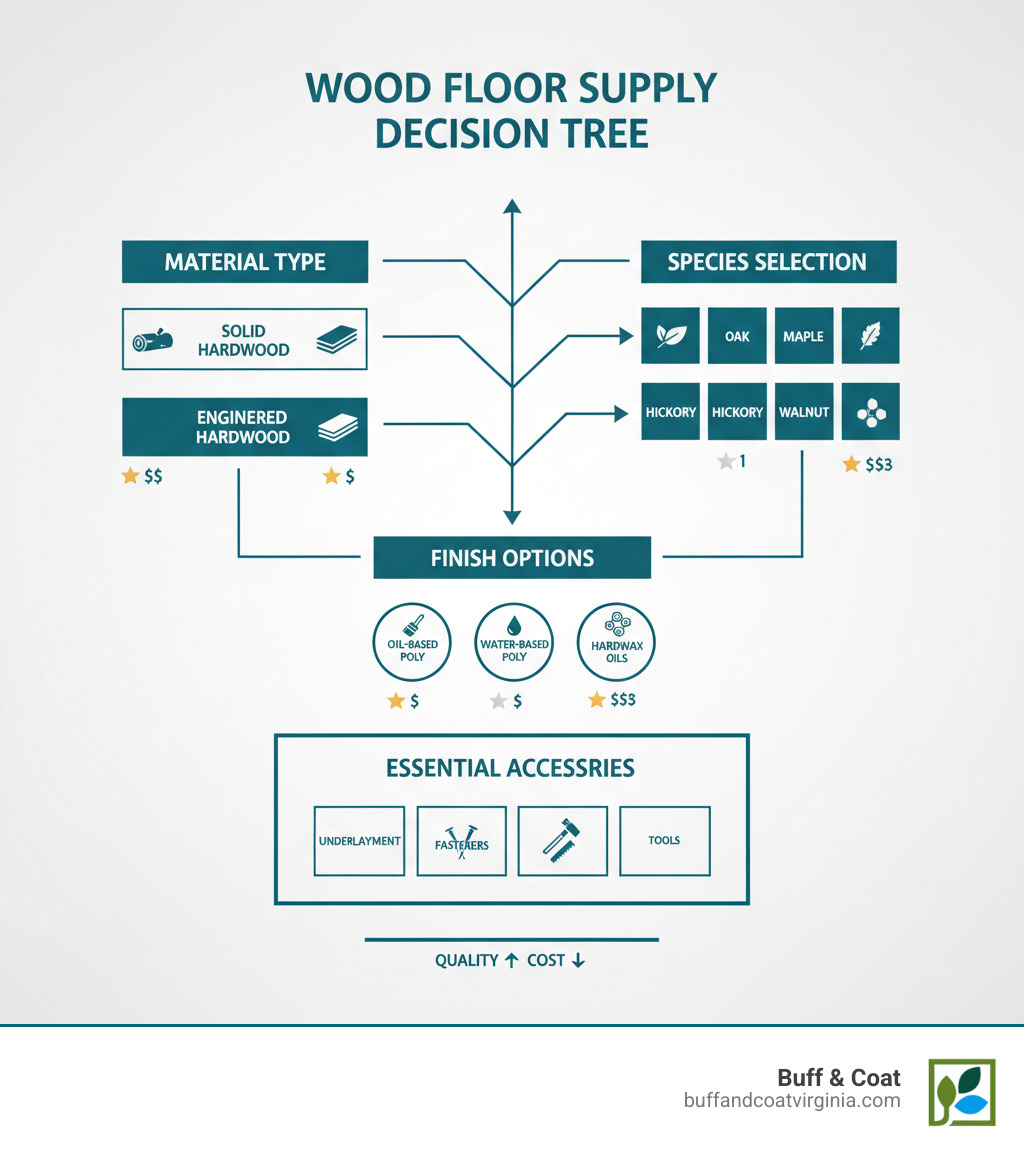
Explore more about wood floor supply:
- hardwood floors installation near me
- hardwood floor repair richmond va
- cheap hardwood floor refinishing
Understanding Your Hardwood Flooring Options
Choosing the right hardwood involves understanding how construction, species, and finish affect your floor’s look and performance. Let’s break down the essential decisions in your wood floor supply journey.
Solid vs. Engineered Hardwood
The choice between solid and engineered hardwood is fundamental. Solid hardwood is a single piece of wood, typically ¾-inch thick, that can be sanded and refinished multiple times. However, its sensitivity to moisture makes it unsuitable for basements.
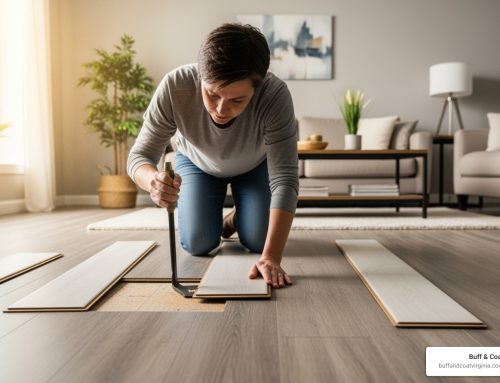
Engineered hardwood features a real hardwood veneer over a stable core of plywood or high-density fiberboard. This construction resists moisture and temperature changes, making it ideal for installation over concrete or in basements. For Richmond homeowners dealing with humid summers, engineered hardwood often provides the stability needed for a successful floor installation. You can explore various Solid Hardwood and Engineered Hardwood options to fit your needs.
Pre-finished vs. Unfinished Flooring
This decision impacts your project’s timeline, mess, and final look.
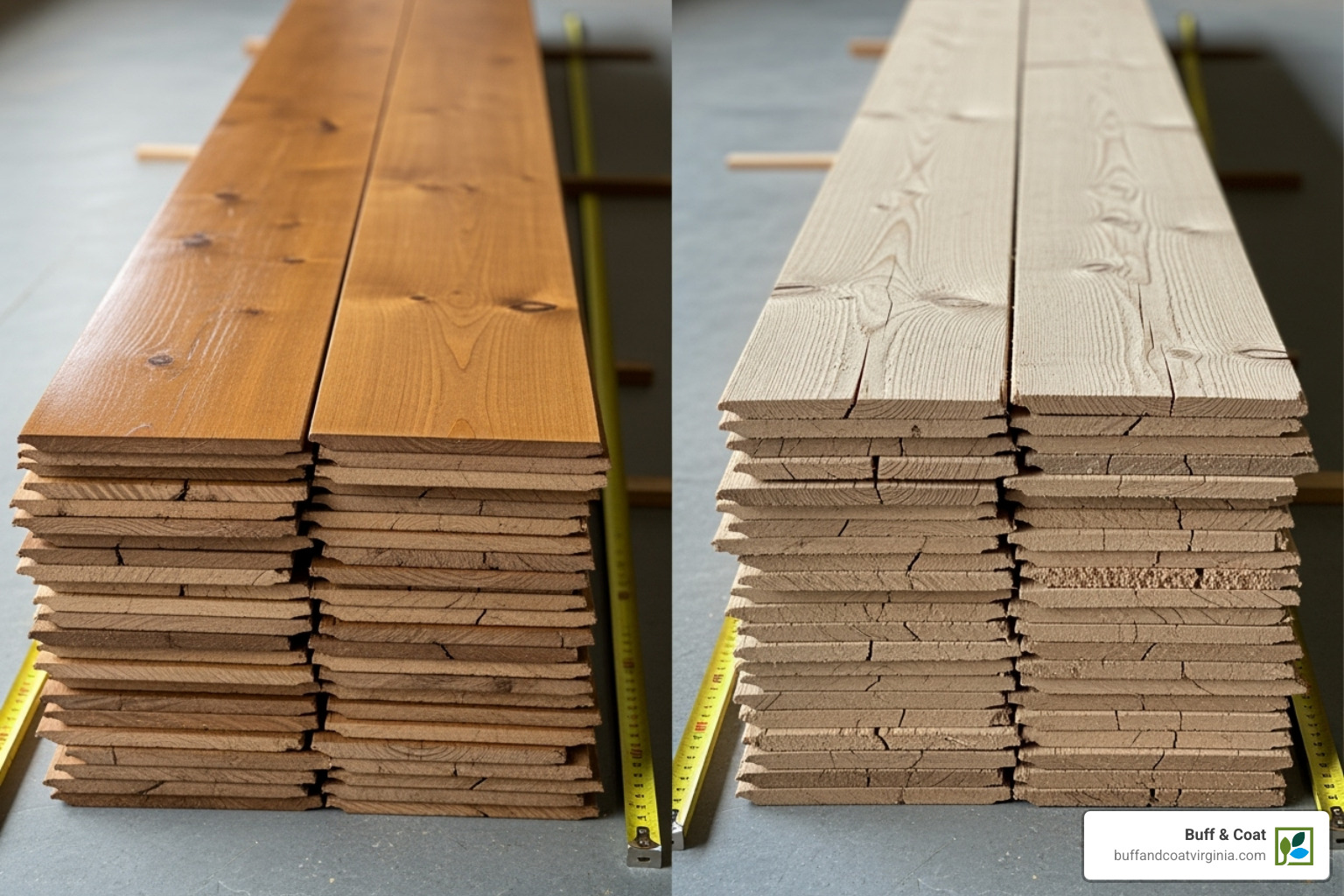
Pre-finished hardwood arrives sanded and sealed from the factory. This means a faster, cleaner installation and an exceptionally durable finish, often containing aluminum oxide for scratch resistance.
Unfinished hardwood is installed raw, then sanded and finished on-site. While this process takes longer, it offers complete customization of stain color and sheen, resulting in a perfectly seamless surface.
Leading Brands and Sustainability
Top wood floor supply brands like Mullican Flooring and Somerset Hardwood Flooring are distinguished by superior milling precision, advanced finish technology, and consistent quality control. When choosing, look for FSC certification, which ensures wood comes from responsibly managed forests, and Lacey Act compliance, which combats illegal logging.
Wood Species Comparison
Each wood species offers a unique combination of appearance and durability, measured by the Janka hardness scale (higher numbers are harder).
| Wood Species | Durability (Janka Hardness) | Appearance | Cost |
|---|---|---|---|
| Red Oak | 1290 (Good) | Prominent grain, reddish tones | Moderate |
| White Oak | 1360 (Very Good) | Subtle grain, brownish tones, more stable | Moderate |
| Maple | 1450 (Excellent) | Fine, uniform grain, lighter colors | Moderate to High |
| Hickory | 1820 (Superior) | Distinctive grain, wide color variation | Moderate to High |
| Walnut | 1010 (Good) | Rich, dark brown, straight grain | High |
| Brazilian Cherry | 2350 (Exceptional) | Deep reddish-brown, exotic grain | High |
Red and White Oak are popular classics, while Maple and Hickory offer superior hardness. Walnut provides a luxurious dark look. Wood grading also affects appearance, from clean Select grade to rustic #2 Common. Current design trends favor wide planks (5+ inches) and light-colored, matte finishes for a natural, spacious feel.
Your Essential Wood Floor Supply and Installation Toolkit
A successful hardwood flooring project demands the right tools and accessories. Whether you’re a DIYer or working with professional flooring contractors, understanding your wood floor supply toolkit ensures a smooth project.
Essential Tools for Installation
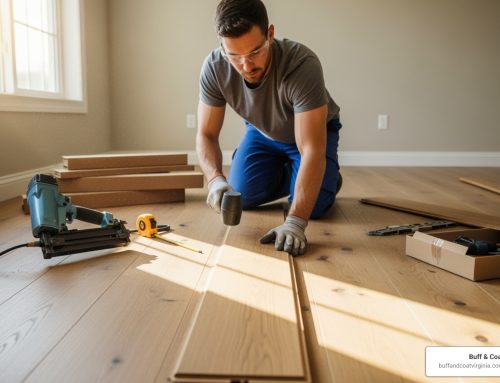
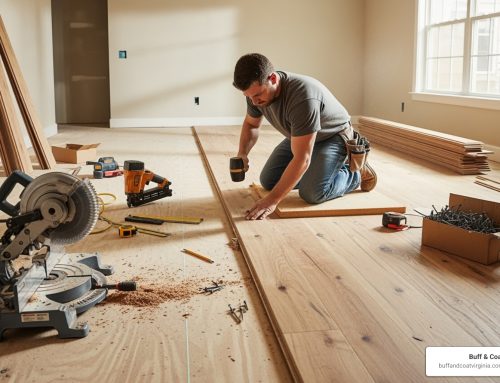
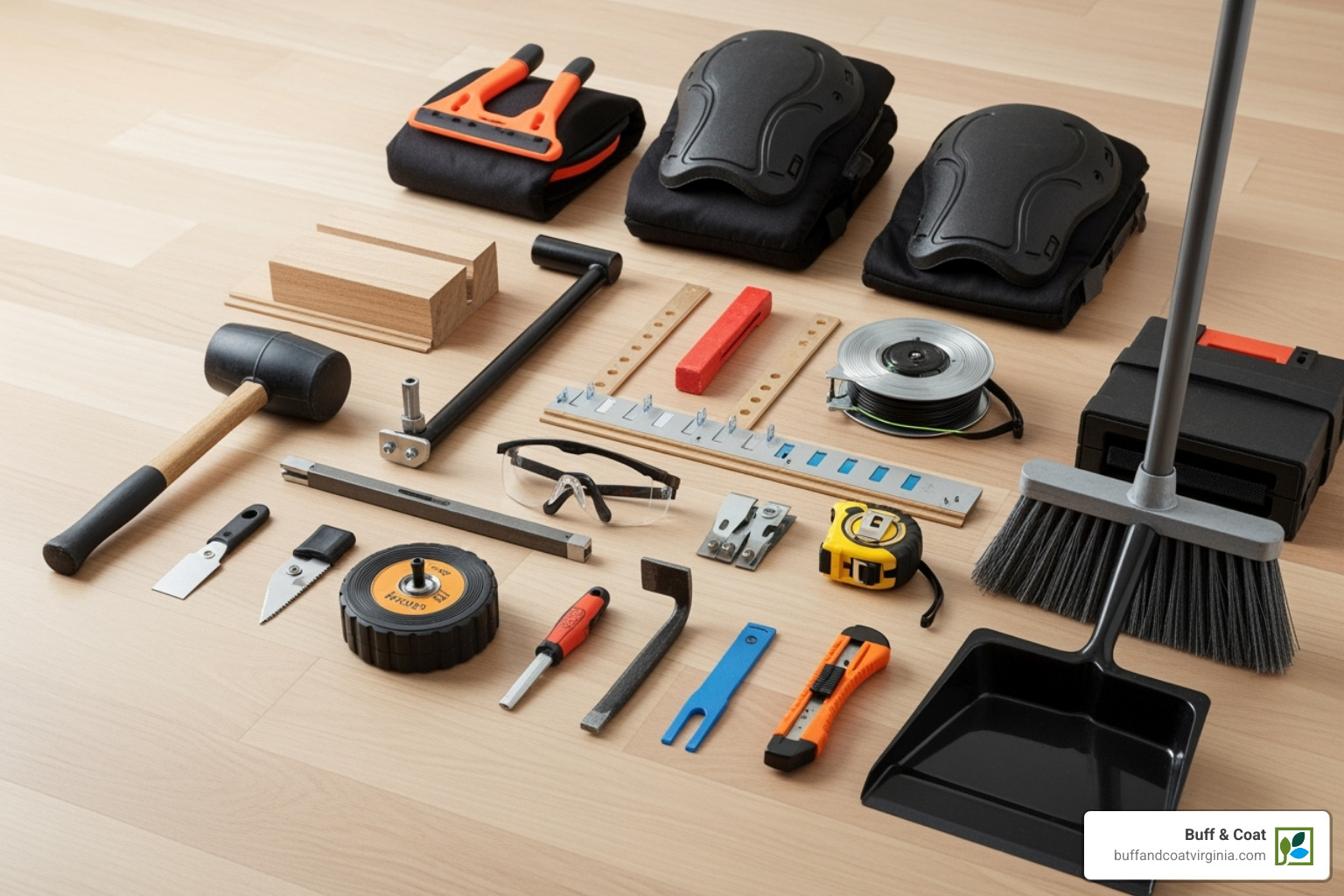
Precision and efficiency start with the right tools. A flooring nailer or stapler from a reliable brand like Bostitch is crucial for securing planks. A miter saw and table saw are necessary for accurate cuts, while a jamb saw helps create a professional finish around door frames.
Perhaps the most important tool is a moisture meter. It measures moisture in the subfloor and hardwood, preventing post-installation issues like warping or cupping. A tapping block, pull bar, and chalk line ensure tight, straight rows. Always use safety gear, including goggles, knee pads, and gloves.
Key Accessories and Consumables for your wood floor supply
Success is in the details. Key accessories in your wood floor supply kit include:
- Underlayment: Provides a moisture barrier and sound dampening. A vapor barrier is essential over concrete.
- Wood Glue: Critical for starting rows and installing engineered floors.
- Wood Filler: Fills nail holes and minor gaps for a seamless look.
- Fasteners: Cleats or staples must match your nailer and wood type.
- Abrasives: For unfinished floors, quality sandpaper from brands like Bona Abrasives is needed for a smooth surface.
- Applicators: Rollers, brushes, or T-bars ensure an even application of stain and finish.
Subfloor Preparation and Acclimation
This stage separates professional results from amateur mistakes. Your subfloor must be clean, flat, and dry. Any imperfections will eventually show through the hardwood.
Moisture testing is a non-negotiable step to prevent catastrophic failures. Acclimation is equally important; hardwood planks must sit in the installation area for several days to a week to adjust to the home’s temperature and humidity. This simple waiting period prevents gaps and buckling after installation. For a deeper dive, see our complete guide to hardwood floor installation.
Protecting Your Investment: Finishes and Long-Term Maintenance
The finish you choose is your floor’s armor against daily life, safeguarding your investment for generations. Modern wood floor supply options offer incredible durability, but even the toughest finish requires proper care.
Choosing the Right Finish
Your finish choice dictates durability and aesthetics.
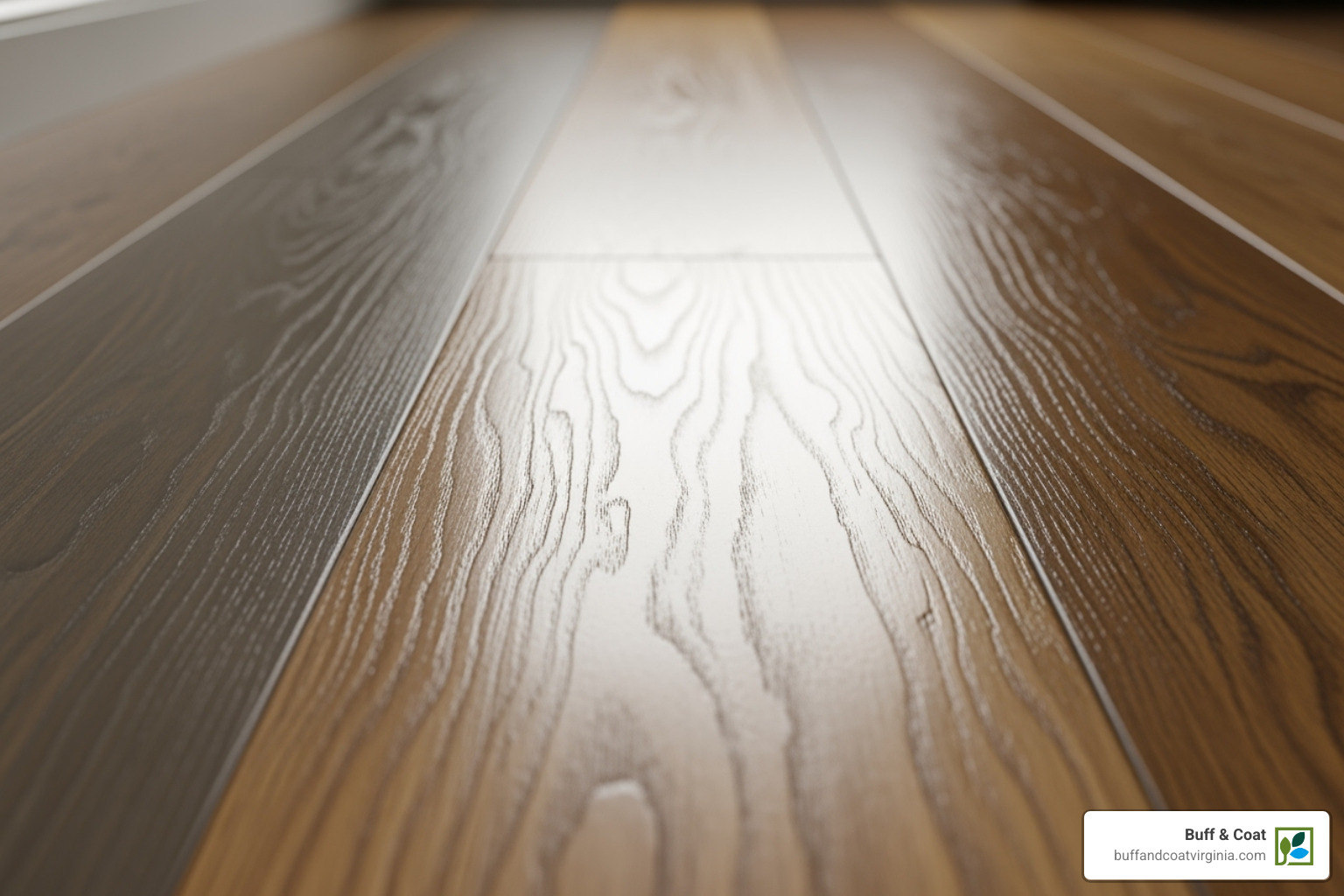
- Oil-Based Polyurethane: Provides a durable, warm amber tone that deepens over time. It has a longer cure time and stronger odor.
- Water-Based Polyurethane: Dries fast with low odor, offering a crystal-clear finish that won’t yellow. Top brands include Bona and Loba.
- Hardwax Oils: Products like Rubio Monocoat penetrate the wood for a natural, matte feel rather than forming a topcoat.
Sheen level also impacts the look, from trendy matte and popular satin to shiny semi-gloss. While durable, factory-applied finishes offer less customization than site-applied options.
Best Practices for Hardwood Floor Care
Consistent, simple care is the secret to long-lasting floors.
- Sweep daily with a microfiber mop to remove abrasive grit.
- Clean spills immediately to prevent moisture damage.
- Use pH-neutral cleaners designed for hardwood. Never use water, vinegar, or steam mops.
- Place felt pads under all furniture to prevent scratches.
- Use area rugs in high-traffic areas and at entryways.
- Manage humidity between 35-55% to prevent seasonal gapping or cupping.
The “buff and coat” maintenance process is a smart way to restore your floor’s protective layer without the dust and cost of a full refinishing.
Selecting Flooring for High-Traffic Areas
For busy kitchens and hallways, your wood floor supply choices matter.
- Hardness: Prioritize species with a high Janka hardness rating, like Hickory (1820) or White Oak (1360).
- Color & Grain: Lighter floors with a prominent grain pattern are excellent at hiding minor scratches and dust.
- Finish: A factory-applied finish with aluminum oxide offers the best scratch resistance for active households.
- Protection: Use area rugs and runners strategically to absorb impact and wear. Our Richmond hardwood floors guide offers more room-specific tips.
The Business of Hardwood: Costs, Quality, and Professionals
Understanding the costs, identifying quality materials, and knowing when to hire an expert are key to a successful hardwood flooring project. Investing in professional installation is the best way to protect your investment for decades.
Budgeting for Your Project
- Material Costs: Expect to pay $3 to $15+ per square foot for hardwood planks, depending on the species, grade, and width.
- Installation Costs: Professional installation typically runs $3 to $8 per square foot. Costs can increase with complex layouts or extensive subfloor preparation.
- DIY vs. Professional: While DIY can save on labor, it requires renting or buying specialized tools, and mistakes can be costly. A professional floor installation service provides expertise, efficiency, and a warranty.
- Long-Term Value: Hardwood flooring is a smart investment that significantly increases home resale value and can last for generations.
The Role of Professional Installers
Hiring a professional is crucial for a flawless result. Experts possess specialized knowledge to handle critical steps that are often overlooked in DIY projects, including:
- Proper subfloor preparation to ensure a level, dry foundation.
- Managing wood acclimation to prevent future gaps or buckling.
- Using professional-grade tools for precision and a perfect fit.
- Providing a warranty on labor for your peace of mind.
How to Identify High-Quality Flooring
When selecting your wood floor supply, look for these quality markers:
- Milling Quality: The tongue and groove should fit together snugly without force.
- Finish Consistency: On pre-finished boards, the finish should be smooth and even, without streaks or bubbles.
- Plank Length: Quality flooring includes a good proportion of long planks for a cleaner, less choppy look.
- Reputable Brands: Stick with established suppliers known for quality control and good warranties.
- Certifications: Look for third-party validations like FSC (for sustainability) or NWFA (for quality standards).
Frequently Asked Questions about Wood Floor Supply
Here are straight answers to common questions about wood floor supply decisions.
What is the most durable type of hardwood flooring?
The most durable hardwood flooring is a combination of a hard wood species and a strong finish. In terms of Janka hardness, domestic species like Hickory (1820), Hard Maple (1450), and White Oak (1360) are exceptionally durable. For the finish, a factory-applied coating with an aluminum oxide additive provides the best scratch resistance available.
Can I install hardwood flooring in a basement or bathroom?
No, you cannot install solid hardwood in basements or full bathrooms. The moisture will cause it to warp and buckle. Engineered hardwood, however, is designed for stability and is an excellent choice for below-grade installations like basements, as long as a proper vapor barrier is used. While it may work in a powder room, we advise against any wood flooring in a full bathroom with a shower or tub.
How much extra flooring should I order for a project?
It is standard practice to order 5-10% more flooring than your measured square footage. This is known as a “waste factor.” This extra material is essential to account for cuts needed to fit the room, mistakes, and the occasional unusable board. For diagonal or complex layouts, increase this to 15%. Having leftover material is also invaluable for any future repairs.
Conclusion

Armed with this guide, you can confidently steer wood floor supply to create a beautiful, lasting foundation for your home. From selecting the right species to understanding the importance of a proper finish, your informed choices are the key to a successful project.
The final, critical step is professional installation, which ensures your investment is protected through expert craftsmanship. For homeowners in Richmond, Chesterfield, and Midlothian, our team at Buff & Coat provides flawless professional floor installation services and our signature dust-free refinishing. We turn your vision into reality without the typical mess and stress.
Ready to take the next step? Visit our contact page to schedule a free inspection and receive your no-obligation estimate. Let’s create the stunning floors your home deserves.