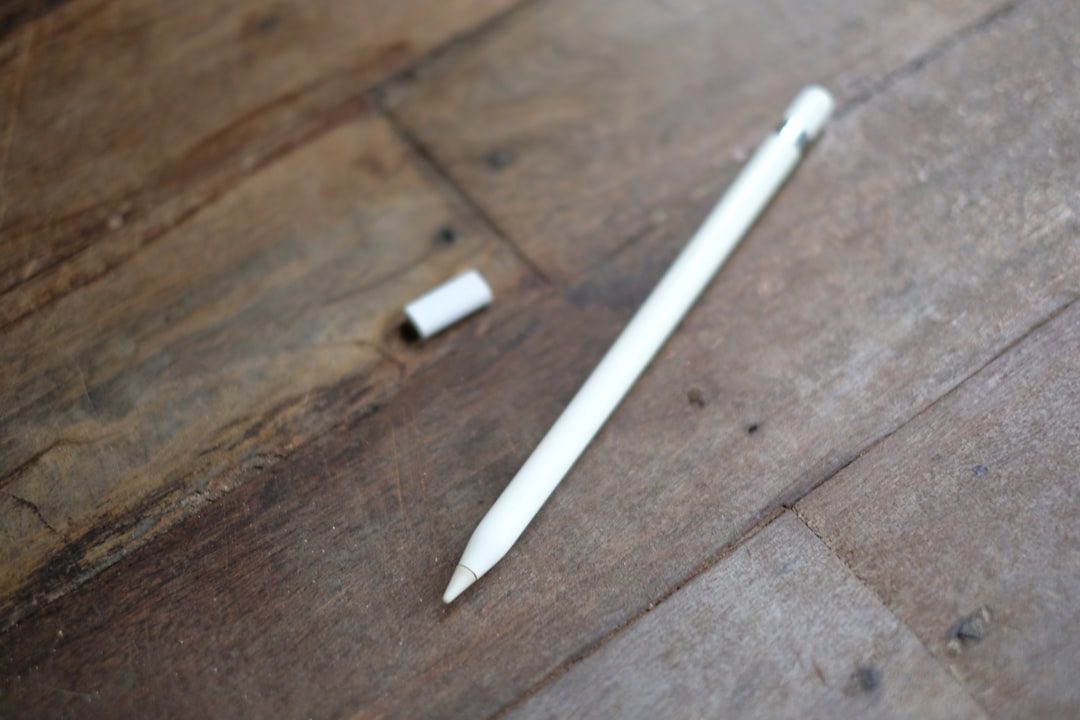
Why Quick Fixes Matter for Your Hardwood Floors
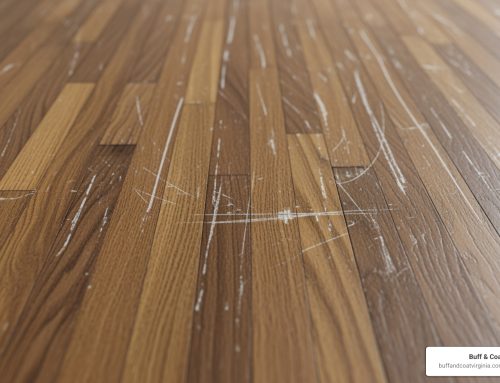
A scratch repair pen for wood offers homeowners an affordable, immediate solution for those frustrating surface scratches that inevitably appear on hardwood floors. Whether it’s from furniture legs, pet claws, or everyday wear, these handy tools can help restore your floor’s appearance in minutes.
Quick Answer: Best Scratch Repair Pens for Wood
- Refresh Wood Repair Markers – 6-color set (Maple, Oak, Cherry, Walnut, Mahogany, Espresso)
- Minwax Blend-Fil Pencils – Wax-based for filling deeper scratches
- Varathane Touch-Up Markers – Fast-drying stain markers for quick fixes
- Hampton Bay Patching Products – Dual-action marker and fill stick combo
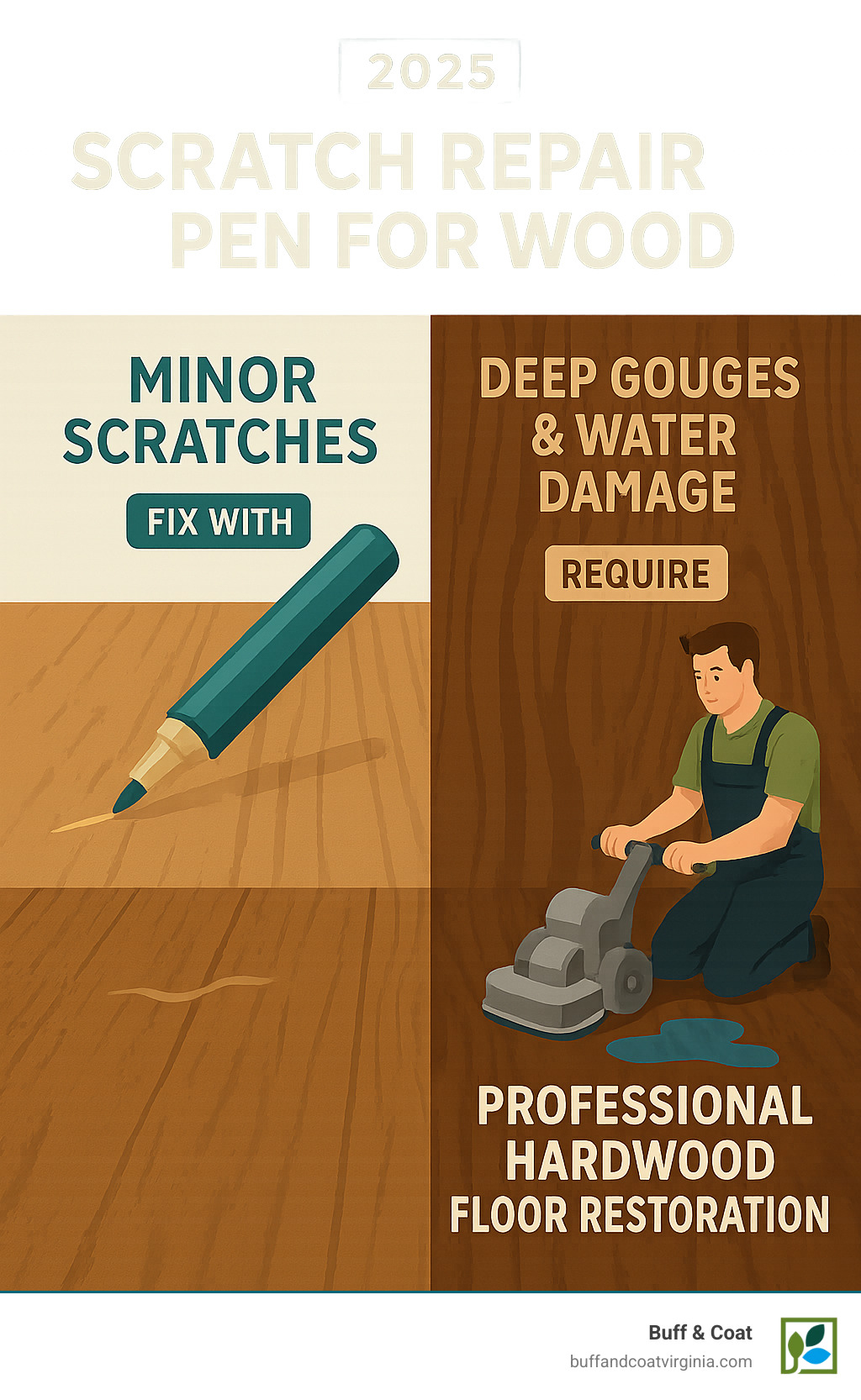
What They Fix: Surface scratches, minor scuffs, furniture marks, pet scratches
What They Don’t Fix: Deep gouges, water damage, extensive wear patterns
The global wood repair market has grown to $1.5 billion in 2023, with DIY touch-up pens becoming increasingly popular among homeowners. While these pens work well for minor surface damage, deeper issues often require professional attention like restoring your hardwood floors through refinishing services.
I’m David Emmerling, President of Buff & Coat Hardwood Floor Refinishing, with over 20 years of experience helping Richmond homeowners restore their floors. Through my work, I’ve seen countless cases where a scratch repair pen for wood provided the perfect quick fix, though I always advise clients on when professional restoration delivers better long-term results.
Scratch repair pen for wood vocab to learn:
Understanding Wood Scratch Repair Pens
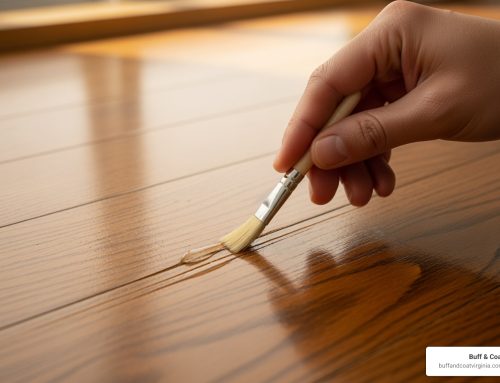
When you pick up a scratch repair pen for wood, you’re holding a surprisingly clever little tool that works like makeup for your floors. Just as concealer helps hide blemishes on your skin, these pens camouflage or fill those annoying scratches that seem to appear out of nowhere on your beautiful hardwood.
The magic happens when the pen delivers either a pigmented stain or wax-based material directly into the scratch. The goal isn’t to make the scratch completely disappear (wouldn’t that be nice?), but to help it blend so well with the surrounding wood grain that your eye simply skips right over it.
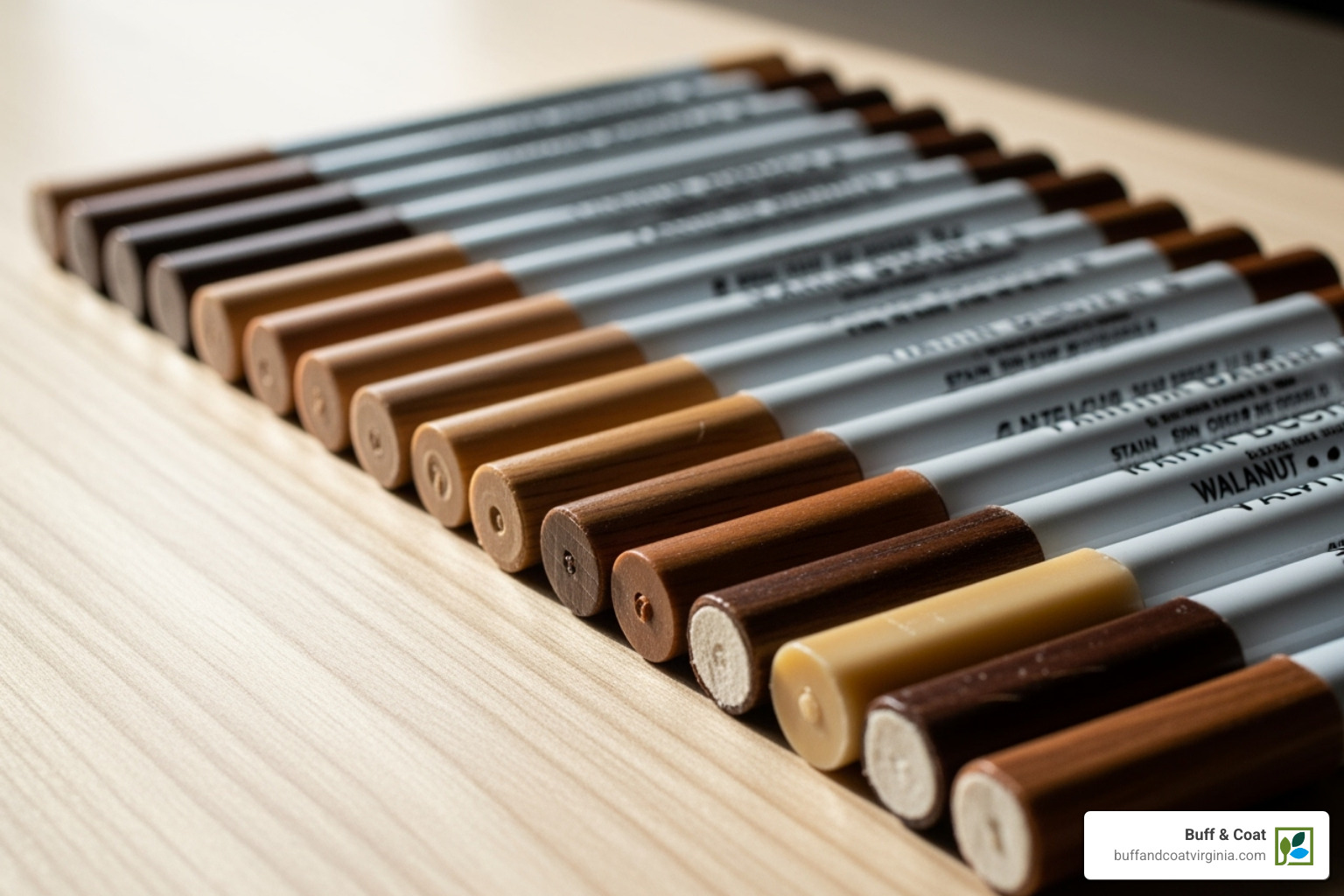
Modern scratch repair pens for wood, like those valve-type markers from Gemini Coatings, are heavily pigmented for better coverage and hiding power. They’re designed with excellent flow and adhesion, creating repairs that resist polishes and hold up to daily life. Think of it as giving your floor a touch-up that actually lasts.
What are the different types?
The world of wood repair pens isn’t one-size-fits-all, and honestly, that’s a good thing. Different scratches call for different solutions, and manufacturers have responded with some pretty smart options.
Stain-based markers are the workhorses of the repair pen family. These felt-tip applicators contain pigmented stain that soaks into the exposed wood within the scratch, darkening it to match your floor’s finish. Products like Heritage Finishing Products’ Scratch Fix Stain Pens dry in seconds and create a waterproof finish that can handle spills and cleaning. They’re perfect when the scratch shows lighter wood underneath that just needs the right color.
Wax-based pencils take a completely different approach. Instead of just coloring the scratch, products like Minwax Blend-Fil pencils actually fill it with soft, pigmented wax. You rub the pencil into the imperfection, and the wax physically fills the indentation while adding color. It’s incredibly satisfying to watch a nail hole or shallow scratch disappear as you work the wax in.
Some manufacturers have gotten creative with combination products that give you both a stain marker and a wax fill stick in one kit. Hampton Bay’s patching products are a great example – you can use the marker for color matching and the fill stick for deeper scratches that need actual filling.
Solvent-based pens dry quickly and create durable finishes, while water-based alternatives offer easier cleanup and lower odor. The choice often comes down to your specific needs and how quickly you want to get back to using the area.
Pros and Cons of Using a Scratch Repair Pen for Wood
Let’s be honest about what a scratch repair pen for wood can and can’t do. After twenty years in the flooring business, I’ve seen these little tools work absolute miracles on minor scratches, but I’ve also watched homeowners get frustrated when they expect too much from them.
The advantages are pretty compelling. These pens are incredibly inexpensive compared to professional refinishing – we’re talking a few dollars versus hundreds. They’re also ridiculously easy to use. Most people can get great results with no experience whatsoever. Just apply and often wipe dry. The speed factor is huge too. You can fix a scratch in minutes and get back to your day, thanks to quick-drying formulas that don’t leave you tiptoeing around wet repairs.
But here’s where reality kicks in. These repairs are primarily cosmetic and temporary. In high-traffic areas, you’ll likely need to reapply the repair over time. The color matching challenge is real – even with multiple shades available, getting that perfect invisible repair takes patience and sometimes a bit of luck. Product manufacturers often include disclaimers about color accuracy, which tells you something.
The biggest limitation? Deep scratches and gouges just aren’t going to respond well to pen treatment. You can color them, sure, but you won’t fill significant depressions or restore any structural integrity. I’ve seen cases where homeowners tried to fix deeper scratches with markers and ended up with visible stains that needed to be removed with rubbing alcohol – making the problem worse, not better.
For more comprehensive guidance on when pens work and when you need other solutions, check out our detailed guide on how to properly fix scratched wood floors.
| Feature | Stain Markers | Wax Pencils |
|---|---|---|
| Durability | Good for light wear, may fade over time | Fills physically, but can wear down or rub off |
| Ease of Use | Simple application, quick drying | Easy to apply and blend, no drying time |
| Best Use Cases | Camouflaging surface scratches, minor scuffs, color restoration | Filling shallow to medium indentations, nail holes |
| Finish | Integrates with existing finish’s color | Fills and colors, can be buffed to match sheen |
| Longevity | Can require reapplication in high-traffic areas | May need reapplication if wax wears off |
The bottom line? A scratch repair pen for wood is a fantastic tool for minor touch-ups, but knowing when to use it – and when to call in the professionals – makes all the difference in your results.
Our Top Picks for the Best Scratch Repair Pen for Wood
After years of working with Richmond homeowners on their flooring projects, I’ve seen which scratch repair pen for wood products actually deliver results. While we specialize in professional restoration, we often recommend these DIY solutions to clients for maintaining their floors between our services.
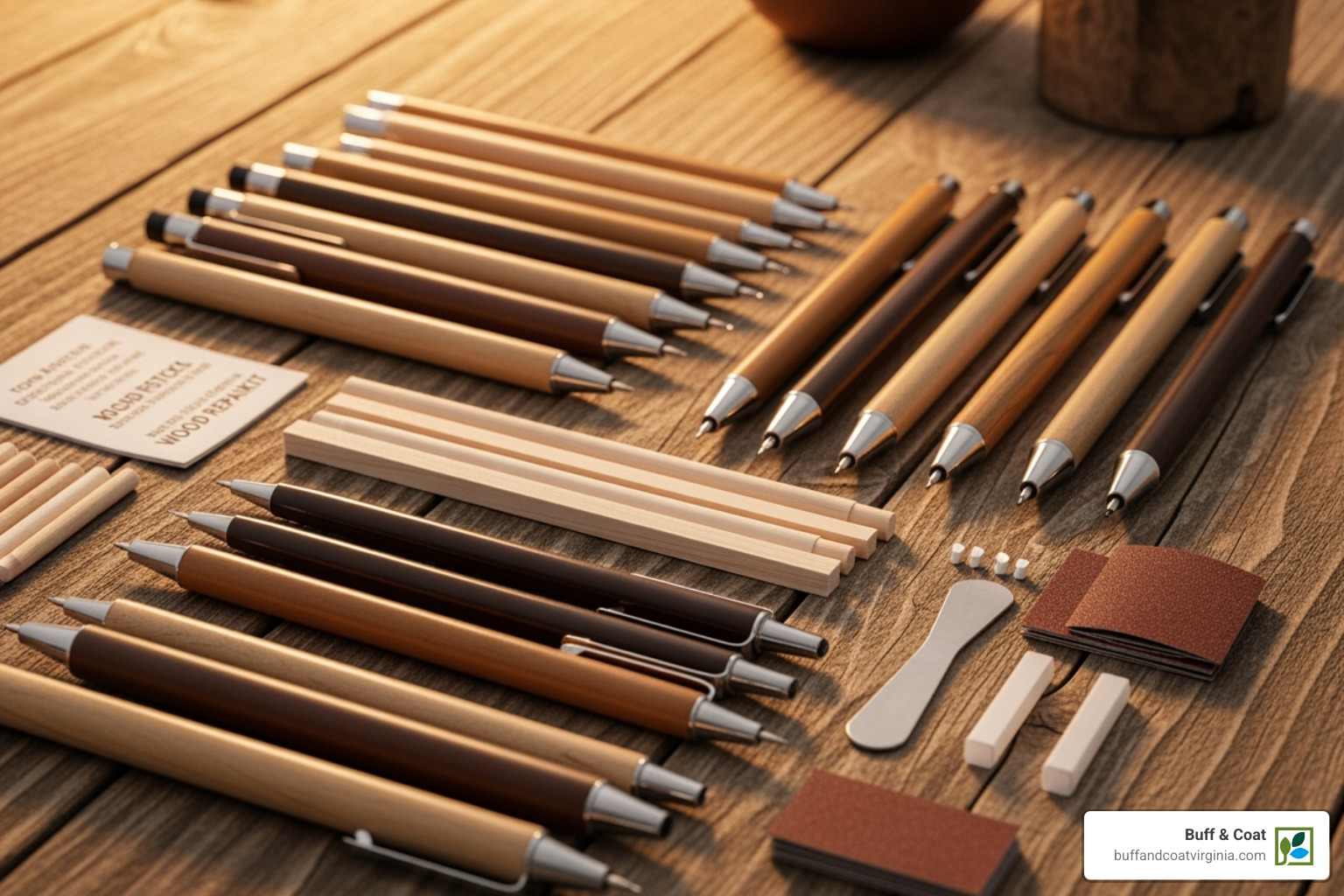
Refresh Wood Furniture and Floor Repair Markers
The Refresh Wood Furniture and Floor Repair Markers consistently impress homeowners with their versatility and ease of use. What makes this set special is its comprehensive color range that covers most common wood finishes you’ll find in Richmond homes.
This six-color set includes Maple, Oak, Cherry, Walnut, Mahogany, and Espresso – basically hitting all the popular wood tones we see in our daily work. The markers are specifically designed to fill in scratches and work equally well on both floors and furniture, making them a smart investment for general household wood maintenance.
The application couldn’t be simpler – just apply directly to the affected area. With hundreds of positive reviews, these markers have proven themselves as a reliable first line of defense against minor wood damage. They’re readily available at major retailers, making them easy to grab when you need a quick fix.
Wood Furniture and Floor Repair Markers
Minwax Blend-Fil Pencils
Minwax has earned its reputation in wood care, and their Blend-Fil Pencils represent decades of refinement in wax-based repair technology. Unlike liquid markers, these wax-based pencils actually fill nail holes and minor imperfections by depositing material into the damage.
What I love about these pencils is how they blend easily with existing finishes. The wax consistency allows you to work the material into scratches, then simply wipe away excess with a clean rag. You can even mix colors to create custom shades – something that’s particularly useful when dealing with unique wood tones.
Minwax offers these in multiple wood tones that correspond to their popular stain colors, including Driftwood, Provincial, Dark Walnut, Early American, and Special Walnut. This coordination makes color matching much more predictable, especially if you know your floor’s original stain color.
Varathane Wood Stain Touch-Up Markers
For homeowners who need quick results, Varathane Wood Stain Touch-Up Markers deliver impressive performance with their fast-drying formula. These stain-based markers penetrate the wood surface to provide what feels like a more permanent repair compared to surface-only solutions.
The durable finish these markers create often provides one-coat coverage, saving you time and effort. Their precision tip makes them ideal for hard-to-reach areas – those tight corners around baseboards or detailed furniture work where larger applicators just won’t fit.
Beyond repairs, these markers have found popularity in arts and crafts applications, allowing woodworkers to add color highlights or touch up small projects. This versatility speaks to their quality and reliability as a wood finishing product.
How to Get Professional Results with Your Repair Pen
The difference between a DIY disaster and a flawless repair often comes down to technique. I’ve watched countless homeowners transform from frustrated to delighted when they learn the right approach to using a scratch repair pen for wood. The secret isn’t in the pen itself—it’s in how you use it.
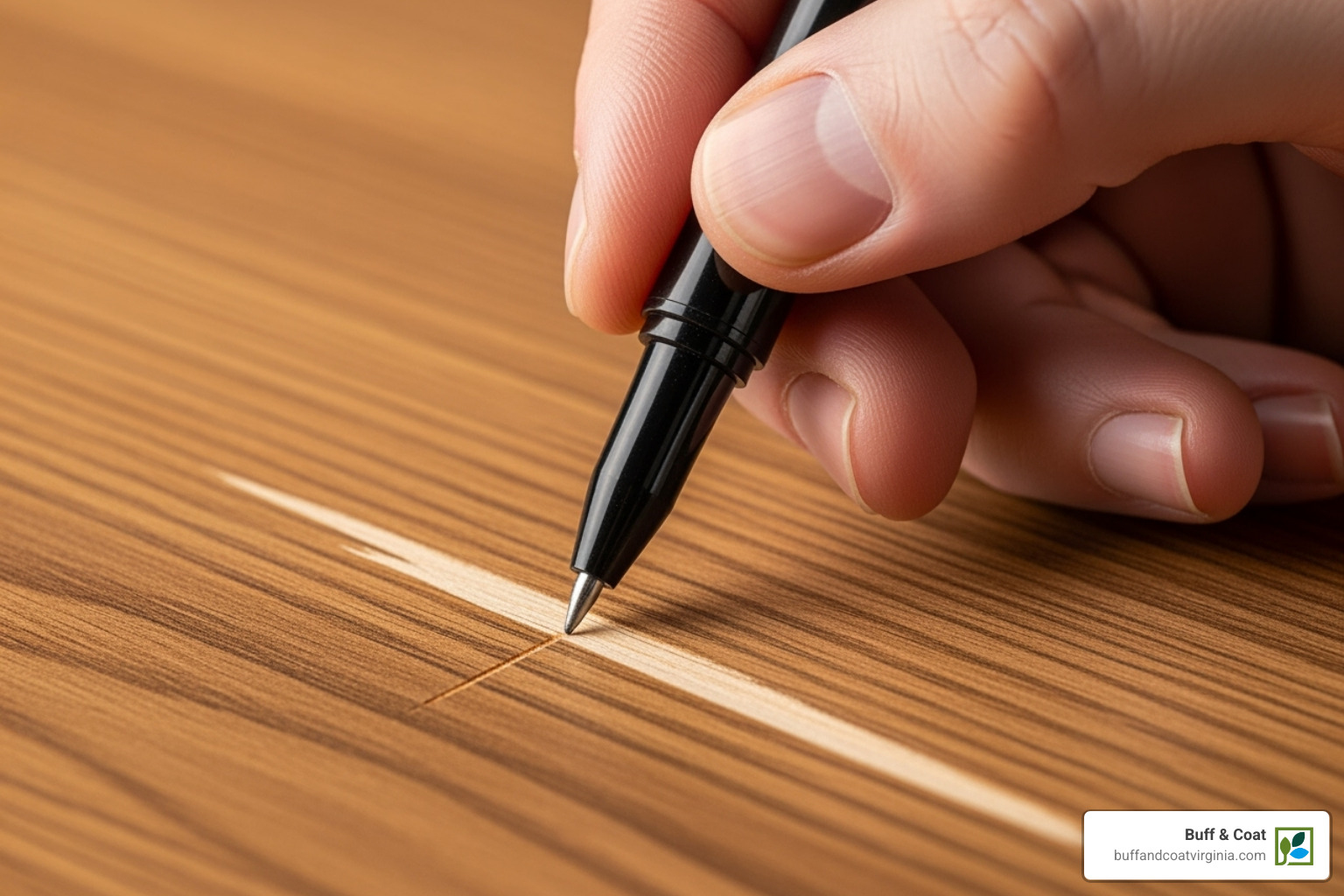
Choosing the Right Color and Type
Think of color matching like finding the perfect foundation—get it wrong, and everyone notices. Wood comes in countless variations, from honey-colored maple to rich espresso, and each has subtle undertones that can make or break your repair.
Start by examining your wood in natural light. Look for the dominant color (light brown, medium brown, dark brown) and any red or yellow undertones. Many quality repair pens come in sets specifically because single colors rarely match perfectly. Minwax Blend-Fil Pencils, for example, can be mixed together to create custom shades that match your exact wood tone.
Sheen matters too. Your floors might have a satin, semi-gloss, or high-gloss finish. While most pens focus on color, wax-based products can be buffed to better match your floor’s shine level.
Never skip the test spot. Find an inconspicuous area—under a couch, behind a door, or in a closet—and try your pen there first. This small step prevents the heartbreak of a mismatched repair that’s more obvious than the original scratch.
For stain versus wax selection, ask yourself: does the scratch just need color, or is there actually missing wood? Light surface scratches usually need only a stain marker, while deeper gouges require the filling power of a wax pencil.
Step-by-Step Application Guide
Great repairs happen slowly and deliberately. Rush the process, and you’ll likely create more problems than you solve.
Clean first, always. Dust and debris in the scratch will prevent proper adhesion and create an uneven repair. A simple wipe with a dry cloth does the trick.
When you’re ready to apply, work with the wood grain, never against it. For stain markers, use light, controlled strokes that follow the natural wood lines. Heavy-handed application is the quickest way to create a dark blob that screams “amateur repair job.”
Wax pencils need firm pressure to fill the scratch properly, but the same grain-following rule applies. Press the pencil into the scratch, filling it completely, then smooth the surface.
Here’s where many people go wrong: wipe excess immediately. Don’t wait, don’t hesitate—grab a clean cloth and remove any product that landed outside the scratch. Some fast-drying stains set within seconds, and dried excess product can be nearly impossible to remove without damaging your finish.
Build thin layers rather than trying to fix everything in one application. Let each layer dry completely before adding the next. This patience pays off with a more natural-looking repair that blends seamlessly with your floor.
Feather the edges of your repair to avoid harsh lines. Gently blend the repair into the surrounding wood so there’s no obvious boundary where your work begins and ends.
The most common mistakes I see are over-application, ignoring wood grain direction, and poor color matching. One homeowner recently told me they made their scratch worse by using the wrong marker color—the repair was more noticeable than the original damage! When in doubt, go lighter than you think you need and build up slowly.
Beyond the Pen: When to Call the Pros
While a scratch repair pen for wood works wonderfully for minor touch-ups, there comes a moment when even the best pen meets its match. I’ve seen homeowners try to tackle major damage with these little pens, and it’s like trying to paint a house with a toothbrush—technically possible, but not exactly practical!
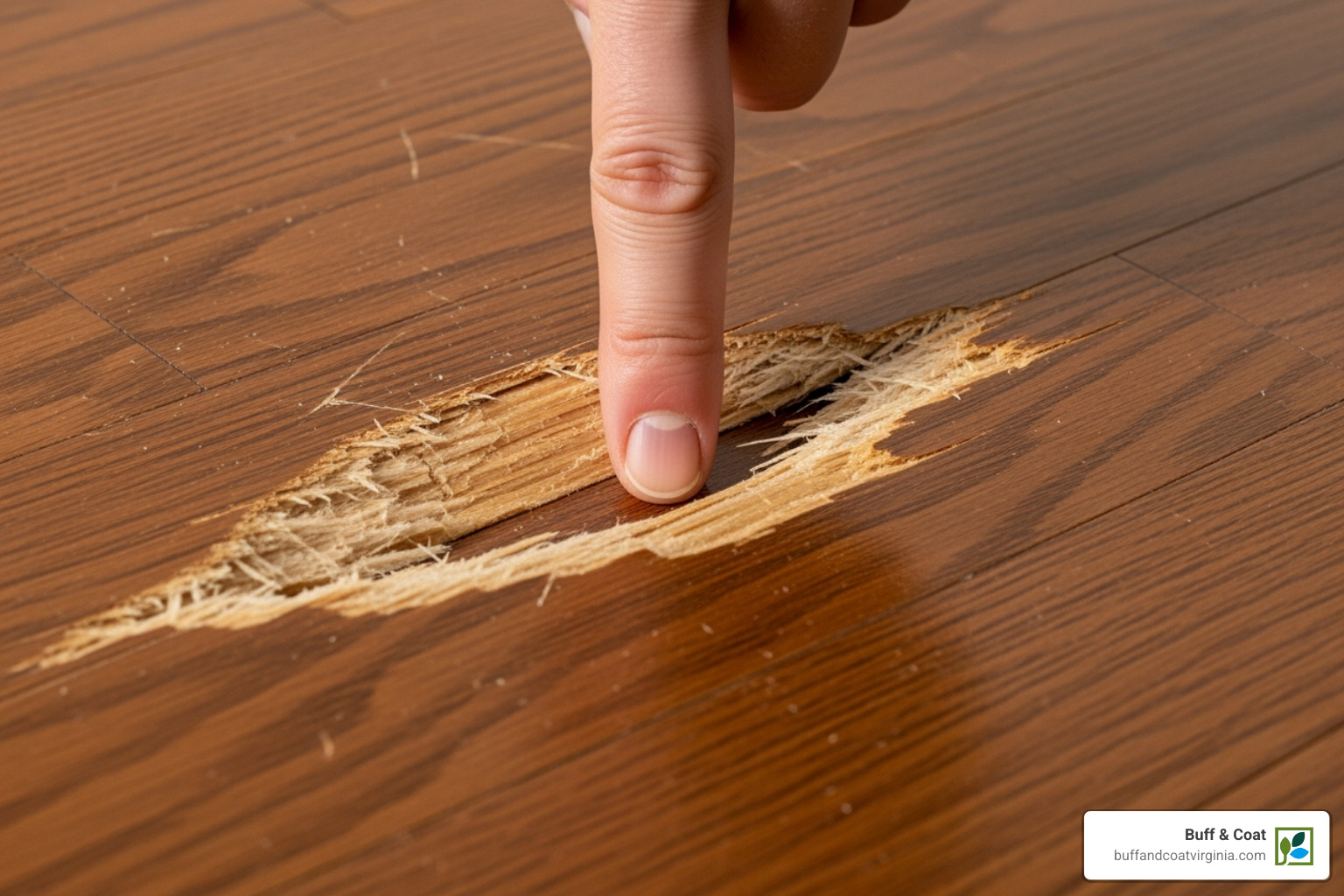
The reality is that deep scratches and gouges are simply beyond what any pen can handle. If you can catch your fingernail in the scratch, it’s likely too deep for a cosmetic fix. These indentations need actual filling material, not just color. Water damage presents another challenge entirely—when wood has been soaked, it often swells, warps, or develops dark stains that penetrate deep into the grain. No amount of surface treatment will fix structural issues like warped boards or extensive moisture damage.
Extensive damage across large areas also calls for a different approach. When your floors are covered in numerous scratches, scuffs, or widespread wear patterns, using a repair pen becomes like trying to fix a leaky roof with band-aids. At this point, the time and effort spent on individual touch-ups far exceeds the value of a comprehensive solution.
When DIY Alternatives Make Sense
Before calling in the professionals, there are some middle-ground solutions worth considering. Wood filler works well for deeper gouges—you apply it, let it dry, sand it smooth, then stain to match. Wax filler sticks offer a more robust version of wax pencils, designed for more substantial imperfections.
For very light scratches on real wood (and this is a neat trick that actually works), rubbing a walnut along the scratch can help. The natural oils soak into the wood fibers, making minor marks less visible. It won’t work miracles, but it’s surprisingly effective for superficial damage.
Stain and polyurethane application can address larger areas of surface wear. This involves more work than a pen but less than full refinishing, making it a good middle ground for moderate damage.
Recognizing the Limits
The truth is, attempting to use a scratch repair pen for wood on major damage often makes things worse. I’ve walked into homes where well-meaning owners tried to fix deep gouges with markers, only to end up with dark, obvious stains that now need professional removal before proper repair can begin.
Laminate and vinyl floors present their own challenges. While some pens claim compatibility, these surfaces have printed patterns that can’t truly be “repaired” once damaged. The printed layer, once worn through, reveals the substrate underneath—something no pen can restore.
When damage extends beyond what these handy pens can handle, it’s time to consider professional solutions. Our comprehensive approach at Buff & Coat addresses not just individual scratches but the overall health and appearance of your floors. For guidance on more extensive repairs, check out our complete hardwood floor refinishing guide.
For significant damage that goes beyond DIY solutions, consider exploring our professional hardwood floor refinishing. We specialize in bringing Richmond-area floors back to their original beauty, whether through our signature buff and coat process or complete refinishing for more severe cases.
Frequently Asked Questions about Wood Scratch Repair
We get calls all the time from homeowners wondering about the ins and outs of scratch repair pen for wood use. After twenty years in the business, I’ve heard just about every question imaginable! Let me share the most common concerns we encounter.
How long do repairs made with wood scratch repair pens typically last?
The honest answer? It depends on where you use them and how much traffic that area gets. I always tell my clients to think of pen repairs as a temporary solution that buys you time before a more permanent fix.
High-traffic areas like hallways and entryways will need touch-ups every few months. The constant foot traffic gradually wears away the repair material, especially with wax-based pencils that can literally get rubbed off over time. Stain-based markers tend to hold up better since they actually penetrate the wood fibers rather than sitting on top.
In low-traffic spots like under furniture or in corners, a good pen repair can last a year or more. I’ve seen some repairs in guest bedrooms that looked great after two years because nobody walks there regularly.
The type of finish protection also makes a huge difference. If you seal your pen repair with a clear topcoat, it’ll last much longer. Some manufacturers like Woodcraft actually recommend this step, though most homeowners skip it.
These pens are designed to hide the scratch and extend the time before you need a professional refinishing. They’re not meant to be permanent fixes, but they’re fantastic for keeping your floors looking good between major services.
Can wood scratch repair pens be used on different types of wood finishes or surfaces?
This is where things get interesting! Most scratch repair pen for wood products work great on traditional hardwood, but the results vary quite a bit depending on what you’re working with.
Solid hardwood floors are perfect candidates for pen repairs. The stain penetrates the exposed wood fibers and blends beautifully with most finishes like polyurethane, varnish, or lacquer. This is where these pens really shine.
Engineered wood can work well too, but you need to be careful. If the scratch only goes through the real wood veneer layer on top, you’re golden. But if it cuts deeper into the core material, the pen might not give you the results you’re hoping for.
Laminate floors present a challenge. Since laminate has a photographic layer that mimics wood grain, a scratch that goes through this layer can’t really be “repaired” in the traditional sense. The pen might color the exposed core, but you’ll still see where the pattern is missing. As we often explain to customers, physical damage to laminate is usually permanent.
Different sheens (satin, gloss, oiled finishes) can also affect results. The pen primarily addresses color, not shine level. So a repair on a high-gloss floor might look slightly different even if the color matches perfectly. Wax-based products can sometimes be buffed to match the sheen better.
My advice? Always test in a hidden spot first, especially on engineered wood or unique finishes. It takes two seconds and can save you from making a noticeable mistake.
What are some alternatives to wood scratch repair pens?
When a scratch repair pen for wood isn’t quite cutting it, you’ve got several other options depending on how deep or extensive the damage is.
Wood putty is your go-to for deeper gouges where actual wood material is missing. You fill the void, let it dry, sand it smooth, then stain to match. It’s more work than a pen, but much more durable for significant damage.
Wax filler sticks are like the big brother of wax pencils. They’re softer and larger, making them perfect for filling deeper scratches. You rub or melt them into the scratch, then level with a plastic scraper. They come in tons of wood tones.
Here’s a fun one that actually works: walnuts for minor scratches! Rub a walnut (or pecan) along a light scratch on real wood. The natural oils and pigments can penetrate the wood and make the scratch less visible. It’s an old-school trick that still works great for surface marks.
For larger areas with multiple scratches, applying matching wood stain followed by polyurethane gives you a more comprehensive fix. It’s more involved than a pen but less expensive than full refinishing.
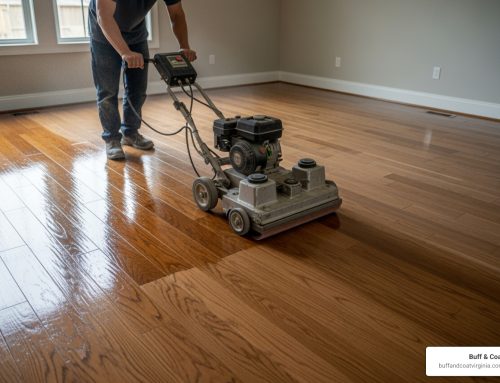
When you’re dealing with widespread surface scratches and dullness across your entire floor, that’s where our signature buff and coat service really shines. We lightly abrade the existing finish and apply a fresh topcoat, which refreshes your floors without the expense of full sanding.
For deep gouges, water damage, or completely worn-through finish, professional sanding and refinishing is your best bet. It’s the most comprehensive solution, but sometimes it’s exactly what your floors need to look their best again.
Restore Your Floors to Their Former Glory
A scratch repair pen for wood can work wonders for those everyday scuffs and scratches that make your floors look tired. We’ve covered everything from choosing the right type of pen to mastering the application technique that makes scratches disappear like magic. These little tools are honestly lifesavers for busy homeowners who want to keep their wood looking beautiful without breaking the bank.
But here’s the thing – even the best scratch repair pen for wood has its limits. When you’re dealing with deep gouges that catch your fingernail, water damage that’s left boards warped, or floors that look like they’ve hosted a few too many dance parties, a pen becomes more of a band-aid than a real solution.
That’s where professional expertise makes all the difference. At Buff & Coat, we’ve spent over 20 years helping Richmond homeowners fall in love with their floors all over again. Our signature buff and coat process transforms tired, scratched floors into stunning showcases that look like they were just installed yesterday.
Sometimes your floors need more than a quick touch-up – they need a complete revival. Our dust-free techniques mean you won’t be finding sawdust in your coffee cup weeks later, and our advanced equipment ensures a flawless finish that protects your investment for years to come.
Whether your floors need our gentle buff and coat treatment or a complete refinishing makeover, we’re here to guide you through the process. We serve homeowners throughout Richmond, Chesterfield, and Midlothian, bringing professional-grade results right to your door.
Don’t spend another weekend staring at those stubborn scratches and wondering if they’ll ever look right again. Contact us today to schedule a free inspection and get your free estimate. We’ll take a look at your floors and give you honest advice about whether a scratch repair pen for wood will do the trick, or if it’s time to let the professionals work their magic.