
Floor Sanding in Mooreland, VA
Mooreland's Mid-Century Floors Deserve More Than a Quick Fix
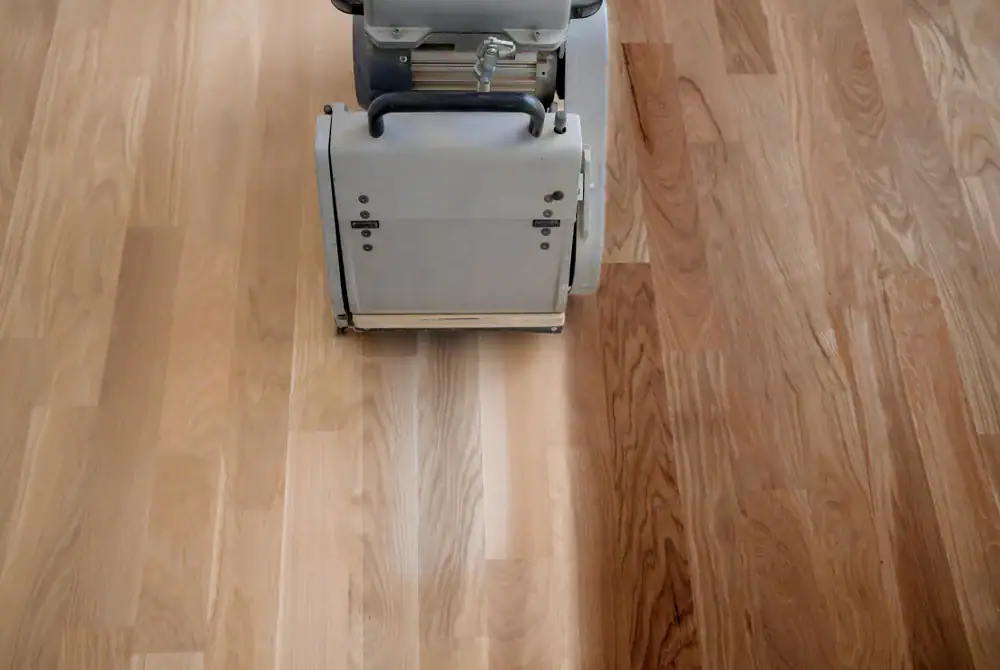
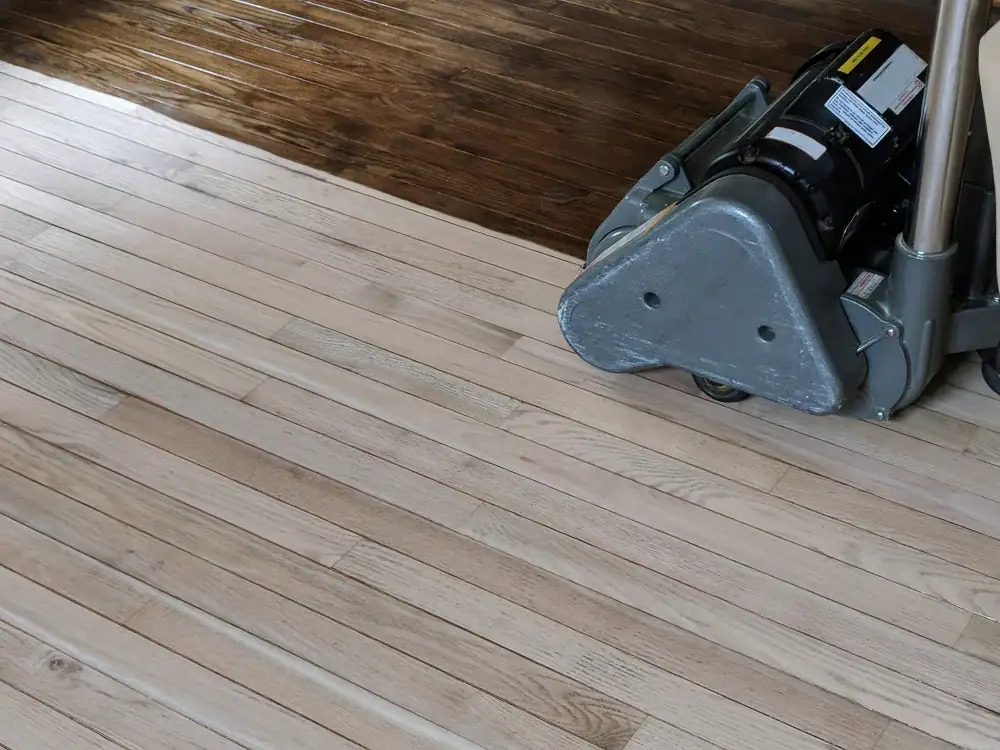
Hardwood Floor Refinishing Henrico County
Mooreland Farms is one of the most architecturally distinct neighborhoods in all of Henrico County brick Georgians, white clapboard colonials, and custom Tudors built between the late 1940s and 1970s, many on the same streets they’ve always stood. The original hardwood floors in these Mooreland homes are part of what makes them worth what they’re worth. When those floors look worn, scratched, or dull, it pulls down the entire room and in a home valued at $1 million or more, that matters.
Richmond’s humid subtropical climate does a number on hardwood over time. Summers push moisture into the wood fibers, causing them to swell. Winter heating systems dry everything back out. After 50 or 60 cycles of that, you start seeing cracked finish along board edges, slight gapping between planks, and surface wear that no amount of cleaning will fix. That’s not a floor that needs replacing that’s a floor that needs a professional.
The good news is that solid hardwood can typically be sanded and refinished four to five times over its lifetime. A floor laid in 1957 likely has two or three full refinishing cycles left in it. After professional sanding, what you get back is a floor that looks intentional again clean, smooth, and finished in a way that matches the quality of the home around it. And if you’re thinking about listing, the National Association of REALTORS® puts the ROI on hardwood floor refinishing at 147%. In a neighborhood where homes are selling in under three weeks, that return is real.
Floor Sanding Company Henrico County VA
We’re a locally owned, owner-operated business based in Glen Allen about ten to fifteen minutes from Mooreland Farms via Three Chopt Road or North Parham Road. Owner David Emmerling has been refinishing hardwood floors in the Richmond area for over two decades, which means he’s worked in homes throughout Mooreland and understands exactly what the housing stock here looks like the species, the construction methods, the finish expectations.
This isn’t a franchise routing your job to whoever’s available. When you call, you’re talking to the business. David has spent 20-plus years building a reputation on 5-star results, and the reviews back it up customers consistently mention precision, clean execution, and a finished product that genuinely surprised them. That’s not an accident. It’s what happens when the person doing the work has done it thousands of times and still takes it seriously.
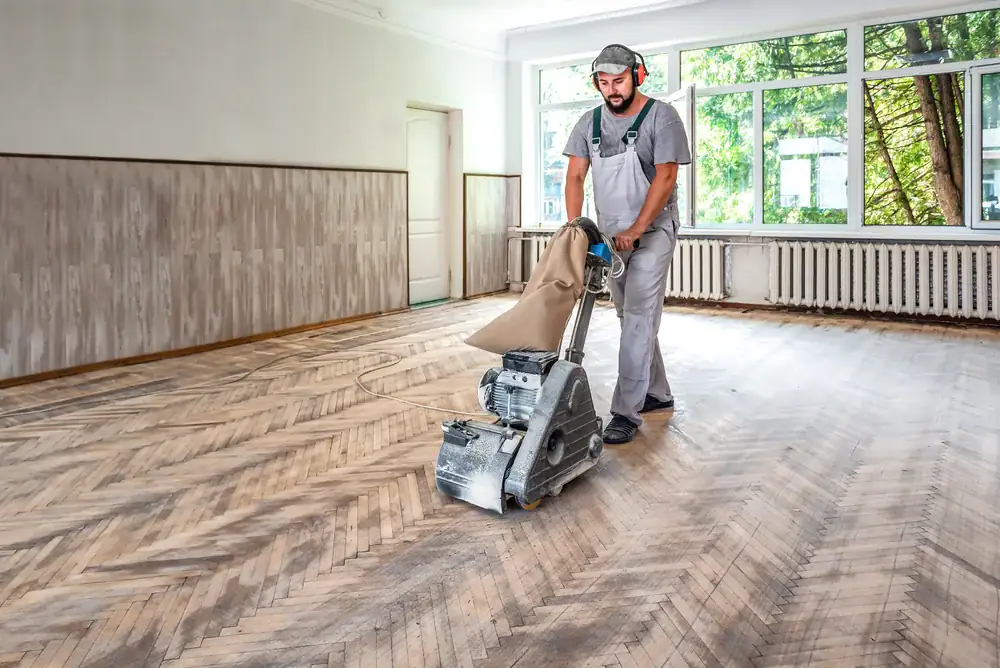
Dustless Floor Sanding Process Mooreland VA
It starts with a conversation. Before any equipment comes through the door, you’ll talk through what your floors look like now, what you want them to look like, and whether full sanding is the right call or whether a buff and coat a lighter surface refresh makes more sense for your situation. In Mooreland homes with original mid-century hardwood that hasn’t been touched in decades, full sanding is usually the right answer. But that assessment happens first, not after the job is already underway.
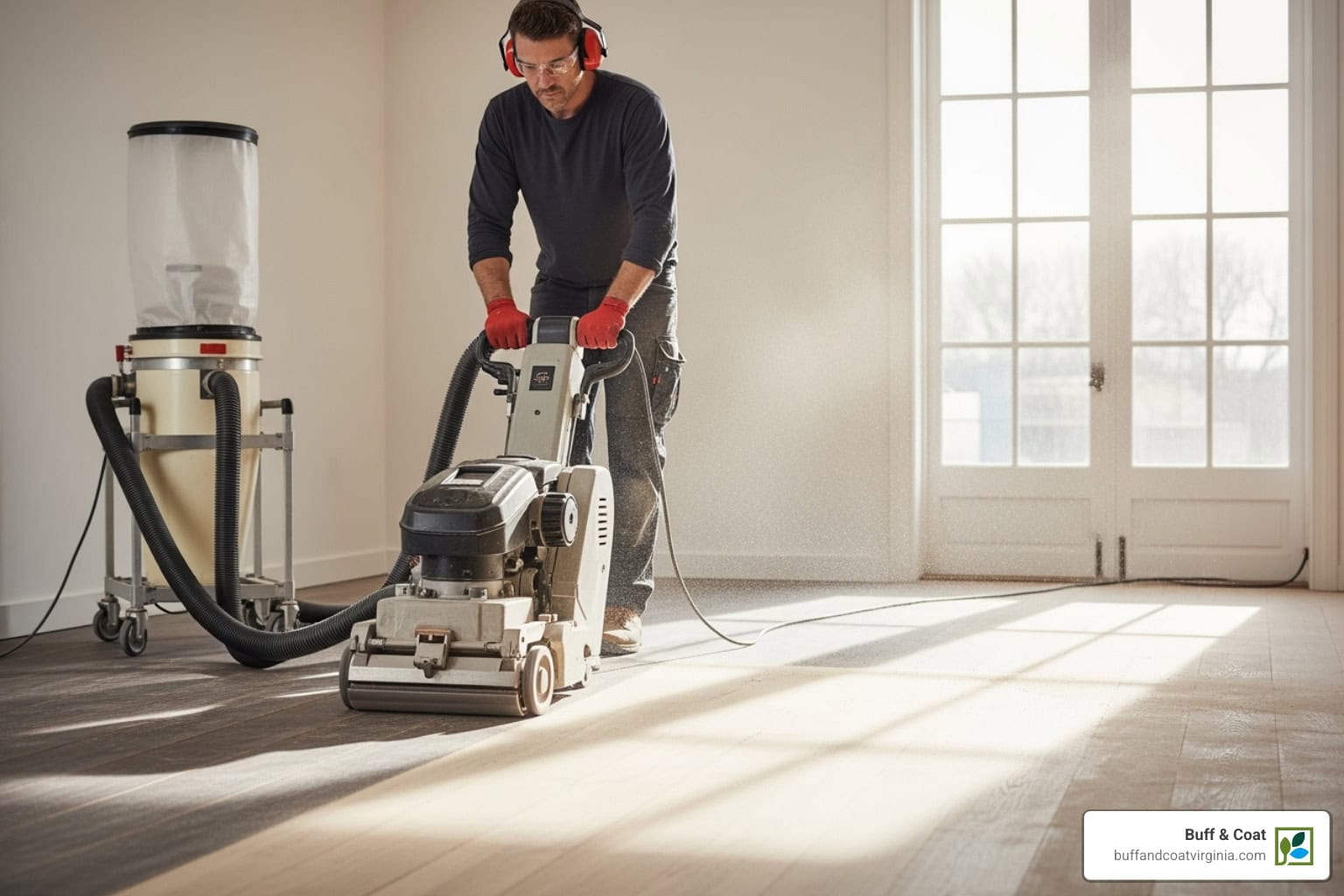
On the day of the project, our dustless sanding equipment goes to work across your floors removing the existing finish, addressing the scratches and wear, and bringing the wood back to a clean, bare surface. The system captures the vast majority of dust at the source. In a large Mooreland Farms home with 10-foot ceilings and rooms full of furniture and art, that’s not a minor detail it’s the difference between finishing in an afternoon and spending the next three days cleaning every surface in the house. Most projects are completed in a single day.
After sanding, you’ll choose your finish gloss level, stain color, water-based or oil-based. Water-based finishes dry faster, don’t amber over time, and let families return to normal use within hours. No permit is required in Henrico County for interior floor refinishing, so there’s no waiting on approvals. The floor gets its final coats, cures, and that’s it. Done in a day, back to your life the same evening.
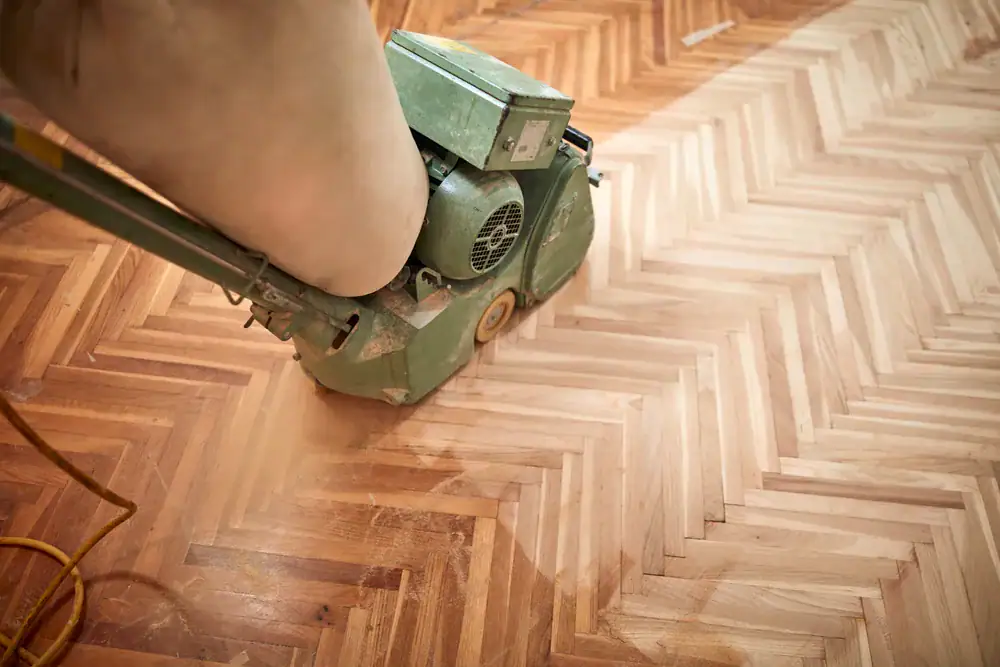
Wood Floor Sanding and Restoration Mooreland
Not every floor needs to be sanded down to bare wood. We offer two distinct approaches depending on what your floors actually need. Full sanding goes all the way down stripping the existing finish completely, addressing deep scratches, stains, and decades of wear, then rebuilding the surface with fresh stain and finish. This is the right call for floors in Mooreland’s older homes that haven’t been refinished since original construction, or for floors with visible damage that a lighter process can’t correct.
The buff and coat is a surface-level refresh scuffing the existing finish lightly and applying a new topcoat without sanding down to raw wood. It’s faster, costs less, and works well on floors that are structurally sound with minor surface dullness or light wear. If your floors are in decent shape but just look tired, this is often the smarter move. David will tell you honestly which one fits your situation there’s no upsell for the sake of it.
For Mooreland homeowners in the middle of a renovation matching new hardwood to original floors, or refinishing after a kitchen or addition project the finish consultation matters as much as the sanding itself. Stain color, sheen level, and finish type all affect how the floor reads in the room and how it photographs when the home eventually lists. The 2024–2025 trend is a clear move away from gray-toned floors toward warmer, natural tones, and that shift is showing up in what Richmond buyers respond to. You’ll get a real recommendation, not just a color fan deck handed across the room.
Are the original hardwood floors in my Mooreland Farms home actually worth refinishing?
Almost certainly, yes. The homes in Mooreland Farms were built with quality materials, and the original hardwood floors from the 1940s through the 1970s are typically solid wood at standard 3/4-inch thickness which means they can be professionally sanded four to five times over their lifetime. A floor that looks beyond saving is usually just a floor that needs a professional assessment before anyone writes it off.
The most common scenario in Mooreland’s mid-century homes is a floor with decades of accumulated surface wear, finish cracking along board edges from Richmond’s seasonal humidity cycling, and maybe some deep scratches or staining from years of family use. None of that is permanent. Full sanding removes the existing finish entirely, addresses the damage at the wood surface level, and gives you a clean starting point for whatever finish direction you want to go. The floor that looked like a candidate for replacement often ends up being the best-looking thing in the room.
How much does floor sanding cost for a large home in Henrico County?
Professional floor sanding typically runs $3 to $8 per square foot depending on the scope of the project, the condition of the floors, and the finish you choose. For a Mooreland Farms home where floor areas commonly run 2,000 to 3,500 square feet across living spaces that puts a full project in the range of roughly $6,000 to $28,000 at the high end, though most projects land somewhere in the middle of that range depending on specifics.
The more useful comparison is against replacement. New hardwood installation costs $6 to $25 per square foot. On a 2,500 square foot floor, refinishing instead of replacing a structurally sound floor can save you anywhere from $7,500 to over $40,000 and you keep the original wood, which has a character and patina that new flooring simply can’t replicate. In a neighborhood where the median sale price has reached $1,860,000, that math is worth paying attention to.
What does "dustless floor sanding" actually mean is it truly dust-free?
Dustless floor sanding uses equipment that captures the vast majority of sanding dust at the source rather than releasing it into the air. It’s not a marketing term it’s a meaningful difference in how the job is done and what your home looks like when it’s finished. Some competitors in the Richmond area explicitly advertise “up to 80% dust reduction,” which means 20% of the dust still escapes into your home. That’s a very different outcome than a genuinely low-dust process.
In a large Mooreland Farms home with high ceilings, open floor plans, and rooms full of furniture, art, and personal property, the dust question is not a minor consideration. Traditional sanding dust travels through HVAC systems, settles on every surface in adjacent rooms, and takes days of thorough cleaning to fully address. Our process is designed to leave your home clean when the job is done not to hand you a cleanup project after we leave. Customers consistently note in reviews that they finished in a single afternoon with no mess left behind.
How long will I need to stay out of my home after floor sanding in Mooreland?
With water-based finishes, most families can return to normal use within a few hours of the final coat going down often the same evening the project is completed. Water-based finishes dry significantly faster than traditional oil-based products, produce far less odor during application, and don’t carry the same VOC concerns that make oil-based finishing a hardship for households with young children, elderly family members, or anyone with respiratory sensitivities.
Oil-based finishes take longer to cure typically 24 to 48 hours before foot traffic and several days before the finish fully hardens and the fumes during that window are strong enough that most families can’t comfortably stay in the home. If your schedule or family situation makes extended displacement a real problem, water-based is almost always the better call. It also doesn’t amber over time the way oil-based finishes do, which matters if you’re choosing a lighter, more natural stain tone a direction that’s increasingly popular in the Richmond market right now.
My Mooreland home is going on the market when should I schedule floor sanding before listing?
The short answer is: earlier than you think. Homes in Mooreland Farms have been selling in an average of 14 to 20 days once listed, and buyers touring a home at this price point notice the floors immediately. Worn, scratched, or dull hardwood is one of the first things a buyer mentally prices into their offer and it’s one of the easiest things to eliminate before you list.
Spring is the optimal season for floor sanding in the Richmond area, and it aligns directly with the most active listing window. Moderate humidity and mild temperatures allow finish to cure properly and give you the cleanest possible result. If you’re planning a spring listing, scheduling the floor work in late winter or very early spring gives you time to complete any other interior updates after the floors are done rather than trying to coordinate everything at once. Given that one-day completion is the standard here, the disruption is minimal, and the return on that investment in a $1.5 to $2 million Mooreland home is substantial.
Can floor sanding fix gaps between boards in my older Mooreland home?
Gapping between boards is one of the most common issues in Mooreland’s mid-century homes, and it’s almost always a result of Richmond’s seasonal humidity swings rather than a structural problem with the floor. During dry winter months especially in homes with forced-air heating systems wood contracts and the gaps open up. In summer, the humidity causes the boards to expand back. This cycle has been happening in these homes for 50 or 60 years, and it leaves visible evidence.
Floor sanding addresses the surface-level effects of that movement the cracked finish along board edges, the uneven wear patterns, the roughness that develops where boards have shifted slightly over time. For gaps themselves, the approach depends on their size. Minor gapping is typically filled during the refinishing process using a wood filler mixed with the sanding dust from your specific floor, which creates a color match that’s nearly invisible. Larger structural gaps may need a different approach, and that’s something David will assess and be straightforward with you about before the project starts not something you’ll discover after the fact.
Other Services we provide in Mooreland