
Floor Installation in Biltmore, VA
Old Homes, New Floors Done Right the First Time
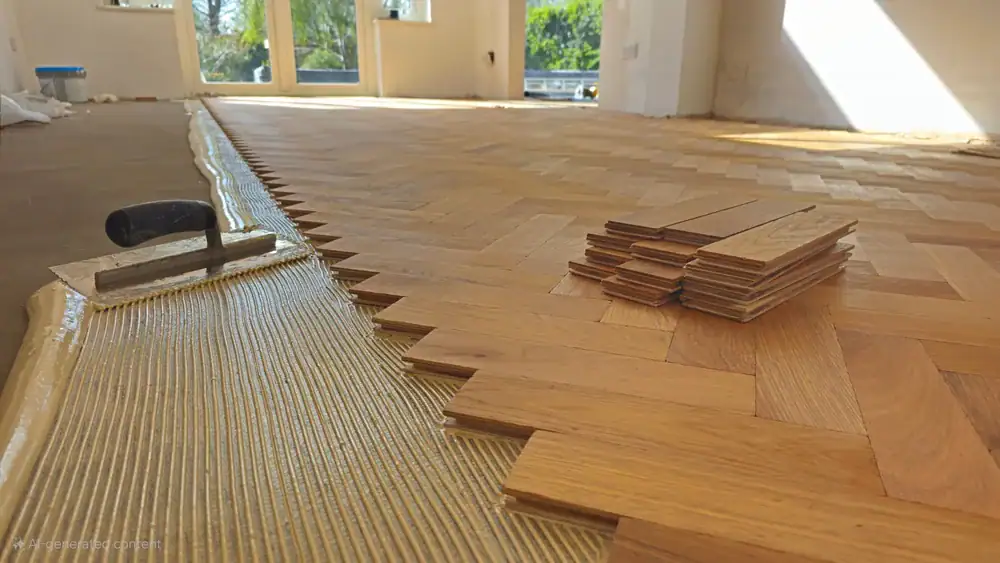
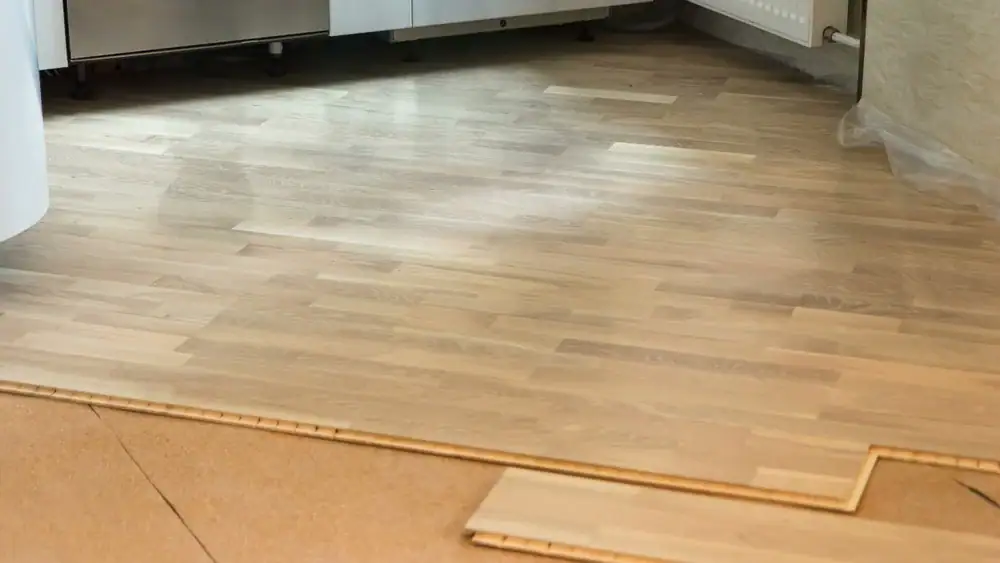
Hardwood Floor Installers in Biltmore, VA
A properly installed hardwood floor doesn’t just look good on day one. It holds up through Virginia’s humid summers, stays flat through the dry heating months of January and February, and doesn’t start squeaking six months later when the subfloor shifts. That’s the difference between a floor that was rushed and one that was actually prepared for.
Biltmore homes built between the 1930s and 1970s weren’t always constructed with modern moisture barriers. That means the subfloor underneath your carpet or linoleum may have spent decades absorbing and releasing moisture with every season. If no one checks that before installation starts, you’re gambling with a $4,000 to $7,000 investment. The Biltmore area averages 69% relative humidity even in its driest months, and July highs regularly hit 90°F that moisture doesn’t stay outside.
When the subfloor is tested, corrected where needed, and the wood is given proper time to acclimate to your home’s actual conditions, the floor performs the way it’s supposed to. No gaps. No cupping. No warping that shows up three months after the crew is long gone. That’s what a finished floor should feel like and what it should keep feeling like for the next twenty years.
Local Wood Floor Installers in Biltmore
We’ve been serving the Richmond metro since 2012, operating out of 10368 Staples Mill Road in Glen Allen the same community as Biltmore. That’s not a coincidence worth glossing over. It means we drive these roads, know the housing stock along Brook Road and Chamberlayne Heights, and have worked in homes built in the same era as yours.
David Emmerling, our owner, has over two decades of hands-on experience with Virginia hardwood floors specifically not floors in a climate-controlled showroom somewhere, but floors in real Virginia homes dealing with real Virginia weather. He’s accountable for every job we take on in Henrico County.
Hundreds of five-star Google reviews from homeowners across the Richmond metro back that up not from a franchise network spread across multiple states, but from neighbors in communities like Biltmore who hired us and were glad they did.
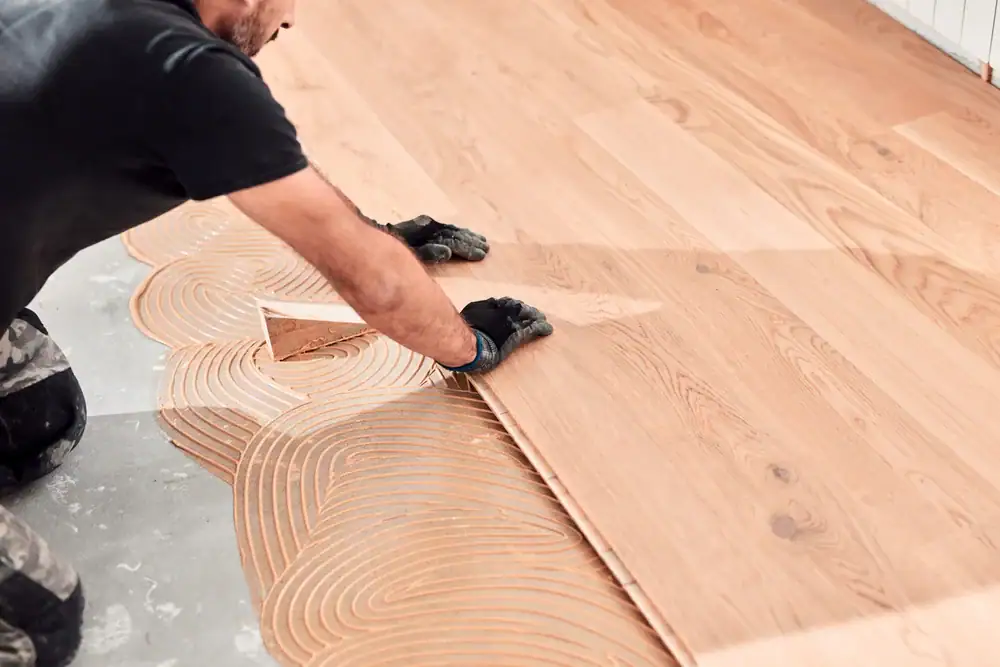
Hardwood Floor Installation Process in Biltmore
It starts before a single board is touched. We assess the subfloor first checking for levelness, moisture content, soft spots, and any structural issues that need to be addressed before installation begins. In older Biltmore homes, this step isn’t optional. It’s the difference between floors that last and floors that fail. Subfloor repairs caught upfront cost a fraction of what they cost when they’re discovered after the fact and the fact is, they often add $900 to $3,000 to a project when no one looked first.
Once the subfloor is confirmed ready, the wood needs time to acclimate. Solid hardwood requires five to fourteen days in your home’s actual environment before installation absorbing the humidity level of the space it’s going to live in permanently. Skipping this step in a climate like Biltmore’s, where summer humidity is consistently high and winter indoor air runs dry, is one of the most common reasons floors cup or gap after installation.
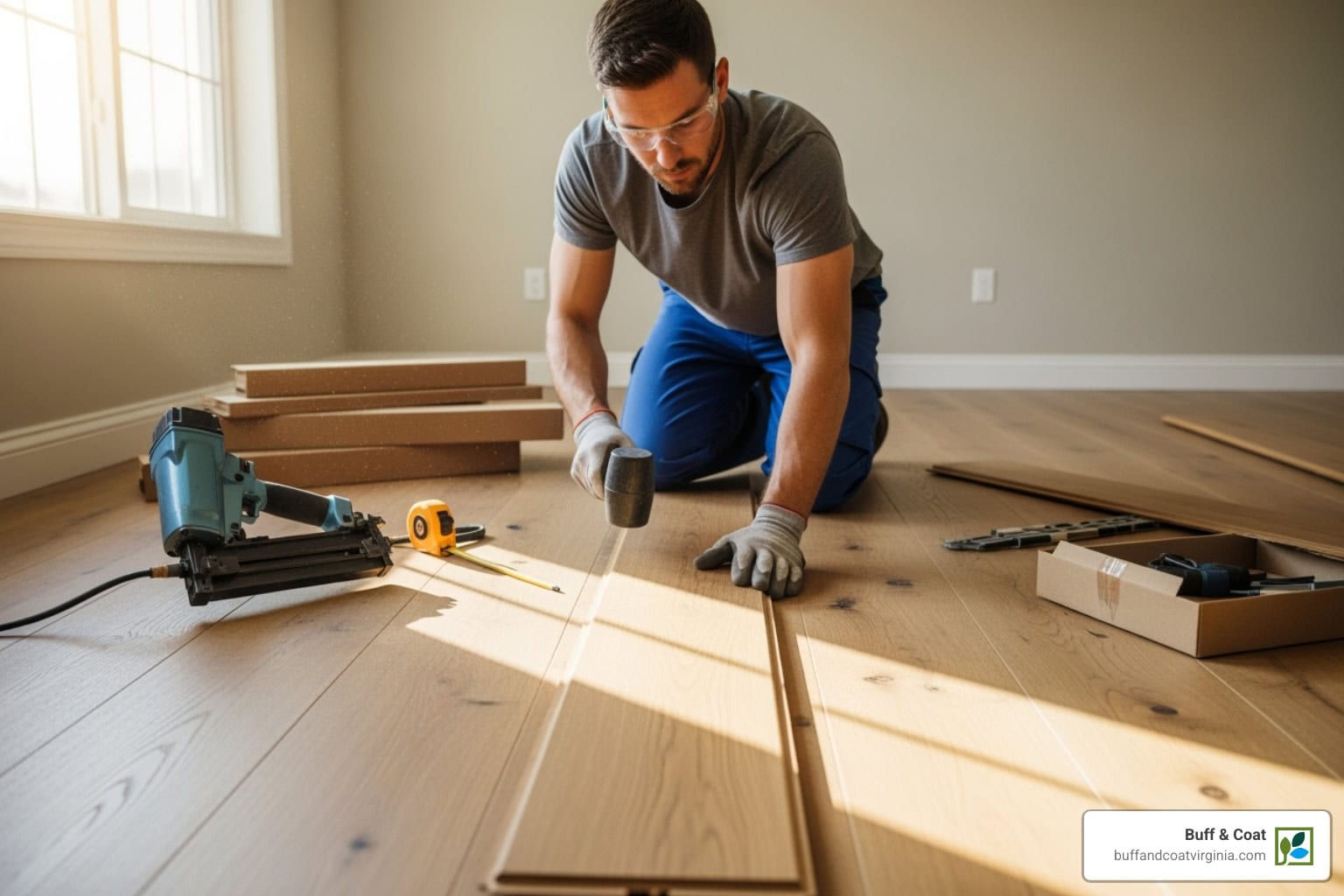
Installation itself typically wraps in about three days. Most jobs are scheduled within a week of booking. When it’s done, you’re not waiting around for a callback or chasing down a crew the job gets finished, cleaned up, and you get your home back.
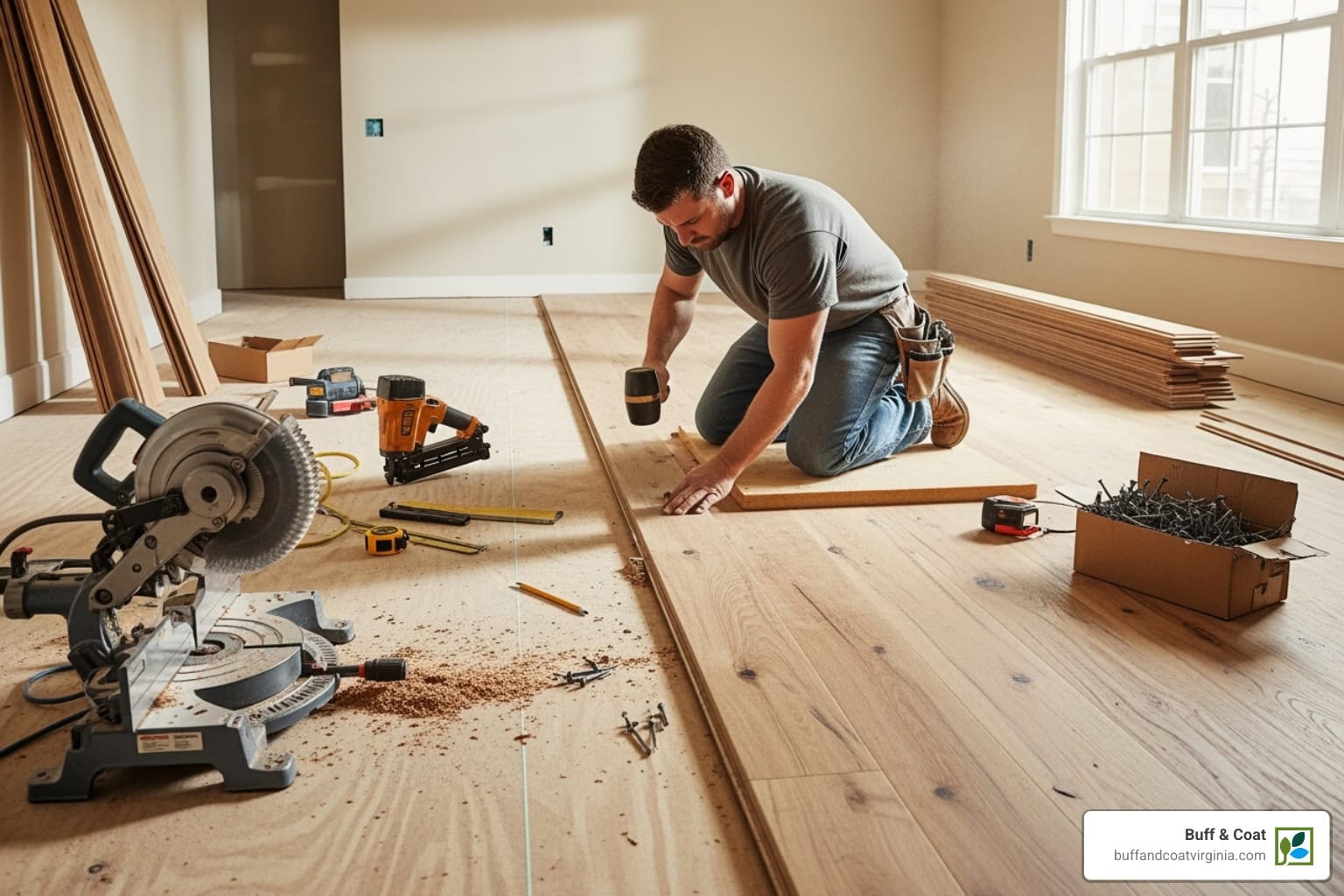
New Wood Floors and Solid Wood Flooring in Biltmore
Not every Biltmore home is the right candidate for solid hardwood and we’ll tell you that upfront. If your subfloor is a concrete slab, if you have a room that sits closer to grade, or if your home’s humidity control isn’t consistent, engineered hardwood may actually be the smarter and more durable choice for your specific situation. The goal is a floor that performs in your home, not just one that looked good in a catalog.
For homes where solid hardwood is the right call, we handle the full scope subfloor prep, acclimation, installation, and finishing. One of the more specific capabilities that shows up in real customer reviews is our ability to match new floors to existing hardwood. That matters in a neighborhood like Biltmore, where many homes have a mix of original and updated flooring from different eras. Getting the species, stain, and grain direction to blend seamlessly takes real experience it’s not something every installer can pull off.
Flooring installation in Henrico County doesn’t typically require a building permit for standard residential work, but if subfloor repairs cross into structural territory, that changes. We’re properly licensed through the Virginia Board for Contractors, so if that question comes up during assessment, you’ll get a straight answer not a workaround.
How much does hardwood floor installation cost in Biltmore, VA?
The national average for hardwood floor installation runs around $4,723, with most projects falling somewhere between $2,469 and $7,032 depending on square footage, wood species, subfloor condition, and whether any prep work is needed before installation begins. In Biltmore specifically, where a meaningful portion of the housing stock dates back to the mid-20th century, subfloor assessment is a real variable not a line item to skip to save money upfront.
If subfloor issues are discovered after installation has already started or worse, after it’s finished repairs typically add $900 to $3,000 to the total cost. Getting a proper assessment before work begins isn’t an upsell. It’s the thing that keeps the final number predictable. When you call for an estimate, you’ll get a straight read on what your specific subfloor needs and what the full project is likely to cost before anyone picks up a nail gun.
Does hardwood flooring need to acclimate before installation in Virginia's climate?
Yes and in Virginia, this step matters more than it does in a lot of other parts of the country. Solid hardwood needs to sit in your home’s actual environment for five to fourteen days before installation, depending on the current season and your home’s humidity level. The Biltmore area’s summers regularly push relative humidity above 65%, and winter heating systems pull indoor air in the opposite direction. Wood that gets installed without acclimating to those conditions will move and when it moves after it’s nailed down, you get gaps, cupping, or both.
The acclimation window isn’t just about leaving boxes in the hallway. It’s about letting the wood reach a moisture content that’s within a few percentage points of your subfloor’s moisture content the industry standard is within 4% for standard strip flooring, 2% for wider planks. Skipping this or rushing it is one of the most common reasons hardwood floors fail in Virginia homes, and it’s entirely preventable when the process is followed correctly.
What should I look for when hiring a floor installer near Biltmore, VA?
The most important thing to confirm is whether the installer does a subfloor assessment before starting not after they’ve already pulled up your old flooring and committed you to a timeline. In Biltmore’s older homes, the subfloor condition can vary significantly. Some have been well-maintained. Others have soft spots, uneven areas, or moisture damage that’s been sitting under carpet for decades. An installer who doesn’t check before they start is one who’ll either skip the fix entirely or call you mid-job with a surprise cost.
Beyond that, look for someone who’s properly licensed through the Virginia Board for Contractors, has verifiable local reviews from homeowners in Henrico County, and can give you a clear timeline and written scope before work begins. Ask specifically whether they test subfloor moisture and whether they account for acclimation time. If those answers are vague or dismissive, that tells you something. A contractor who’s done this work in Virginia homes for any length of time will answer those questions without hesitation.
Can new hardwood floors be matched to existing floors in an older Biltmore home?
In most cases, yes but it takes more than just picking a similar color from a sample board. Matching new hardwood to existing floors in a Biltmore home that was built in the 1940s, 50s, or 60s means accounting for species, plank width, grain pattern, stain tone, and finish sheen. Original strip hardwood from that era often has a character that newer boards don’t naturally replicate right off the shelf. The closer you need the match to be, the more experience the installer needs to pull it off convincingly.
This is one of the specific things our customers call out in reviews the ability to blend new installation into existing floors so the transition isn’t obvious. For Biltmore homeowners adding hardwood to a room that connects to original floors, or replacing a damaged section of an older floor, that capability matters. It’s worth asking any installer you’re considering whether they’ve done this type of work and whether they can show examples before you commit.
Is engineered or solid hardwood better for homes in the Biltmore area?
It depends on your subfloor and where in the home you’re installing. Solid hardwood is a great long-term choice for above-grade rooms with wood subfloors and consistent climate control and it can be sanded and refinished multiple times over its lifespan, which matters in a home you’re planning to stay in. But solid wood is more sensitive to moisture fluctuations, and Biltmore’s climate hot and humid in summer, dry in winter creates real seasonal movement in wood that isn’t properly acclimated or installed over the right subfloor conditions.
Engineered hardwood handles that moisture cycling better because of how it’s constructed, and it’s the appropriate choice for concrete slab subfloors or rooms that sit closer to grade. It still looks and feels like real hardwood, and quality engineered products can also be refinished at least once. The honest answer is that neither option is universally better the right choice depends on your specific home, your subfloor type, and how you use the space. That’s a conversation worth having before you commit to a material.
How long does hardwood floor installation take for a typical Biltmore home?
For most residential projects, installation itself takes around three days once the subfloor is prepped and the wood has finished acclimating. The acclimation period where the wood sits in your home before any boards go down runs five to fourteen days depending on the season and your home’s humidity level. In the summer months in the Biltmore area, when indoor humidity is at its highest, that window tends to run longer to make sure the wood has fully stabilized before it’s locked in place.
Scheduling typically happens within a week of booking. So from the time you confirm the job to the time installation wraps, you’re generally looking at two to three weeks total when you account for acclimation. That timeline can shift slightly depending on the size of the project and whether subfloor repairs are needed, but those variables get identified during the initial assessment not mid-job. You’ll know what you’re working with before the process starts, which makes planning around the work a lot more manageable for your household.