
Hardwood Floors in Montrose, VA
Your Floors Restored in One Day, No Dust
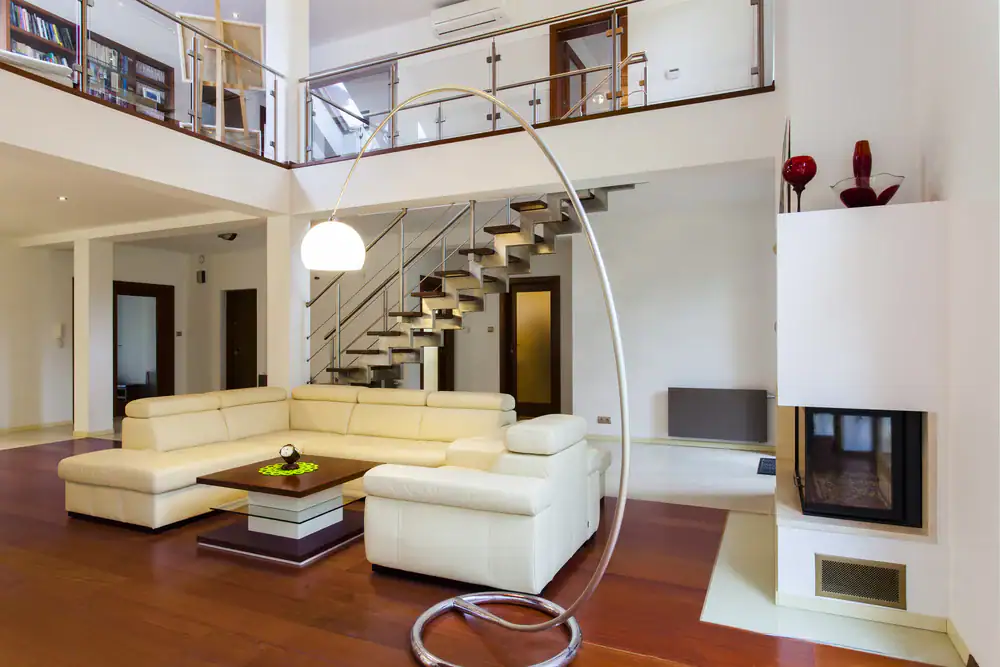
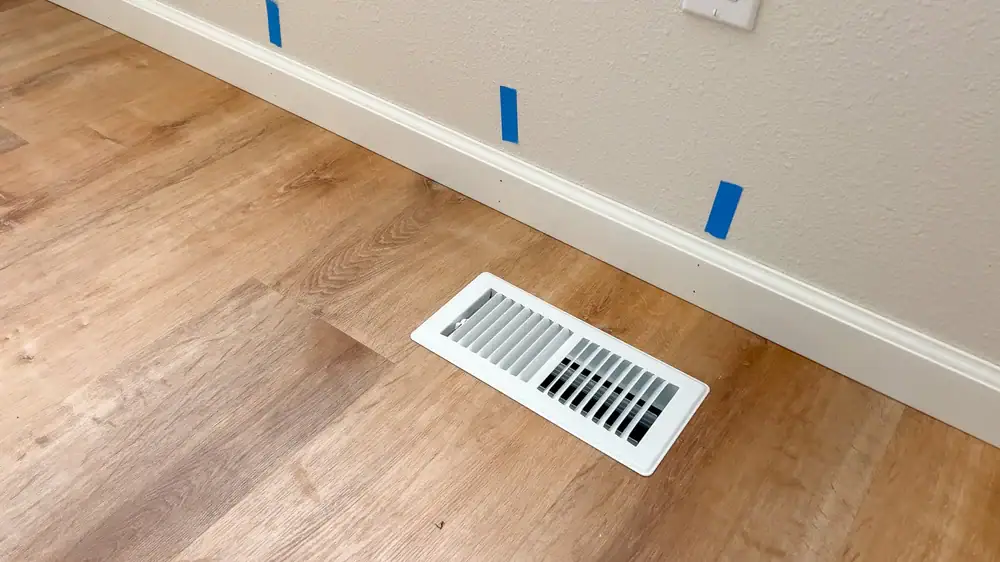
Hardwood Floor Refinishing Montrose Homeowners Trust
The scratches from your dog’s nails disappear. The dull spots near the windows where sunlight faded the finish? Gone. What you’re left with is the floor you fell in love with when you bought the house, or maybe even better than you remember.
This isn’t about making old floors “acceptable.” It’s about restoring them to the point where they become a feature again, not something you apologize for when guests come over.
The finish we apply doesn’t just look good on day one. It’s built to handle Northern Virginia’s humidity swings without buckling or cracking. You get years of protection, not months. And because we use a dustless system, your furniture doesn’t need to be moved to another zip code, and you’re not finding sawdust in your kitchen cabinets three weeks later.
Most jobs wrap up in a single day. You’re not displaced for a week. You’re not coordinating a complicated schedule. You get your home back fast, and it actually looks the way you hoped it would.
Floor Contractors Near Montrose With Real Experience
We’ve been doing this for over 20 years in the Richmond area, which means we’ve seen what Virginia’s climate does to hardwood floors. The humidity in summer, the dry heat in winter—it all takes a toll. We know how to work with it, not against it.
More than 80% of our work comes from referrals. That’s not something you can buy with advertising. It comes from doing the job right and not leaving people wishing they’d hired someone else.
David Emmerling started this company because he saw too many homeowners getting talked into full replacements when refinishing would’ve done the job for a fraction of the cost. We’re not here to upsell you. We’re here to tell you what your floors actually need, and then deliver on that without the runaround.
Our Hardwood Floor Restoration Process Explained
First, we assess your floors to make sure refinishing is the right call. Not every floor is a candidate, and we’ll tell you upfront if yours isn’t. Assuming it is, we start by buffing away the old finish and any surface damage—scratches, scuffs, minor dents. This is where our dustless system makes a difference. Traditional sanders kick up clouds of fine particles that settle everywhere. Ours doesn’t.
Once the old finish is removed, we clean the surface and apply a new protective coat. You can choose the finish that matches your home’s look—matte, satin, whatever works. This isn’t a one-size-fits-all process. We’re matching the result to what you actually want, not what’s easiest for us.
The finish needs time to cure, but you’re usually walking on your floors the same day. Full cure takes a bit longer, but you’re not locked out of rooms or tiptoeing around for a week. We’ll give you a clear timeline so you know exactly when you can move furniture back and when you can stop worrying about it.
The whole process is designed to be fast and low-disruption. You’re not dealing with a construction zone. You’re getting a professional result without the chaos that usually comes with home improvement projects.
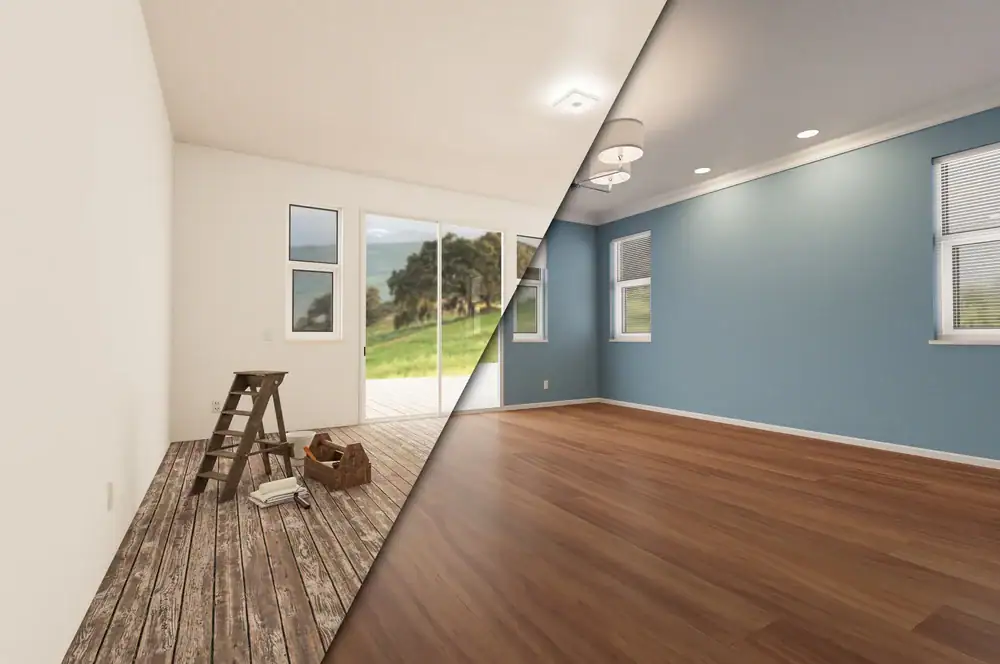
Hardwood Floor Installation and Repair Services
Whether it’s refinishing, installation, or repair, the goal is the same: floors that last and look right. Refinishing brings back worn surfaces without tearing anything out. Installation means new hardwood that’s acclimated to Montrose’s humidity levels before it ever gets nailed down—critical in this area, where moisture causes more problems than most homeowners realize.
Repairs handle the specific damage that refinishing can’t fix. Boards that are warped, cracked, or water-damaged get replaced, not covered up. We match the species, the grain, and the finish so the repair blends in. You shouldn’t be able to tell where the old floor ends and the new board begins.
Virginia’s climate isn’t kind to hardwood. Humidity spikes in summer, then indoor heating dries everything out in winter. That expansion and contraction is what causes gaps, cracks, and buckling. We account for that in every job. The materials we use, the installation methods, the finishes—all of it is chosen with this region’s conditions in mind.
Pricing starts at $1.50 per square foot for refinishing, which is a fraction of what replacement costs. For context, replacing floors in an average home runs $8,000 to $15,000. Refinishing the same space? Closer to $3,000 to $6,000. That’s not a small difference, and the result is often just as good—or better, if your existing floors are solid hardwood.
How long does hardwood floor refinishing actually take in Montrose?
Most refinishing jobs are done in one day. That includes buffing, cleaning, and applying the new finish. You’re not looking at a week-long project that turns your house upside down.
The finish itself is dry enough to walk on within a few hours, but full curing takes longer—usually 24 to 48 hours depending on humidity and temperature. During that time, you’ll want to avoid dragging furniture across the floor or putting area rugs down. We’ll give you specific instructions based on the finish we use and the conditions in your home.
If your floors need more than standard refinishing—like significant repairs or deep staining—it might take an extra day. But that’s the exception, not the rule. The dustless system we use speeds things up because there’s no massive cleanup afterward. Traditional sanding creates so much dust that cleanup alone can add hours to the job.
Can hardwood floors be refinished if they have water damage or deep scratches?
It depends on how deep the damage goes. Surface scratches, scuffs, and minor dents are exactly what refinishing is designed to fix. Buffing removes the damaged finish layer, and the new coat fills in and protects the wood underneath.
Water damage is trickier. If the wood is warped, cupped, or has black staining that goes deep into the grain, refinishing won’t fix it. Those boards need to be replaced. The good news is that we can replace individual damaged boards and then refinish the entire floor so everything matches. You don’t have to replace the whole floor just because a few boards got soaked.
Deep gouges—the kind that go into the wood itself, not just the finish—can sometimes be sanded out if there’s enough thickness left in the floor. Hardwood can typically be refinished multiple times over its life, but each refinishing removes a thin layer of wood. If your floors have been refinished several times already, there might not be enough material left to sand again. We’ll measure and let you know before we start.
What's the difference between refinishing and replacing hardwood floors?
Refinishing restores the existing floor by removing the old finish and applying a new one. The wood itself stays in place. Replacing means tearing out the old floor and installing new hardwood from scratch.
Cost is the most obvious difference. Refinishing runs $3,000 to $6,000 for an average home. Replacement is $8,000 to $15,000 or more, depending on the wood species and installation complexity. If your existing floors are solid hardwood in decent structural shape, refinishing almost always makes more sense financially.
There’s also the time factor. Refinishing takes a day, maybe two. Replacement is a multi-day process that involves demolition, subfloor prep, acclimating new wood, installation, and finishing. It’s disruptive, loud, and messy. Refinishing is none of those things, especially with a dustless system.
The only time replacement makes sense is if the floor is structurally compromised—rotted subfloor, severe water damage, or floors that have been refinished so many times there’s nothing left to work with. Otherwise, refinishing gives you a like-new result for a fraction of the cost and hassle.
How does Virginia's humidity affect hardwood floors in Montrose?
Humidity is the biggest threat to hardwood floors in this area. Wood expands when it absorbs moisture and contracts when it dries out. Virginia’s humidity swings—high in summer, low in winter when heating systems are running—cause that expansion and contraction cycle to repeat constantly.
Over time, that movement leads to gaps between boards, cupping (where board edges are higher than the center), or crowning (where the center is higher than the edges). In extreme cases, you get buckling, where boards actually lift off the subfloor. None of this happens overnight, but it’s cumulative. The longer floors are exposed to uncontrolled humidity, the worse it gets.
The fix isn’t just refinishing—it’s controlling the environment. Keeping indoor humidity between 35% and 55% year-round prevents most of these problems. A whole-home humidifier in winter and a dehumidifier or good AC in summer make a massive difference. When we refinish floors, we’re also looking at the conditions that caused the damage in the first place. If those don’t change, the same problems will come back no matter how good the refinishing job is.
Is dustless hardwood floor refinishing really dustless?
It’s not literally zero dust, but it’s close enough that you won’t find fine particles coating your countertops, settling in your vents, or showing up in rooms we didn’t even work in. Traditional sanding creates clouds of airborne dust that infiltrate everything. Dustless systems capture 99% of that at the source.
The equipment uses a high-powered vacuum attached directly to the sander. As the sander removes the old finish, the vacuum pulls the dust into a containment system before it ever becomes airborne. What little escapes is minimal—nothing like the choking clouds you’d get with old-school methods.
This matters for more than just cleanup. Airborne wood dust is a respiratory irritant. If anyone in your home has allergies, asthma, or just doesn’t want to breathe sawdust for a week, dustless refinishing makes the job tolerable. It also means we’re not taping plastic over doorways or asking you to move everything out of adjacent rooms. The work stays contained to the area we’re refinishing, and the rest of your house stays livable.
How much does hardwood floor refinishing cost in Montrose, VA?
Refinishing typically starts at $1.50 per square foot, but the final cost depends on your floor’s condition, the size of the area, and what finish you choose. A 1,000-square-foot main level usually runs between $1,500 and $3,000. If there are repairs needed—replacing damaged boards, fixing subfloor issues—that adds to the cost, but we’ll give you a clear estimate before any work starts.
For comparison, installing new hardwood runs $8 to $15 per square foot, sometimes more depending on the wood species. That same 1,000-square-foot area could cost $8,000 to $15,000 to replace. Refinishing saves you thousands if the existing floor is structurally sound, which most are.
The return on investment is solid. Hardwood floors increase home value, and well-maintained ones are a selling point buyers actually care about. The average ROI for hardwood flooring is 276%, meaning every dollar spent returns $2.76 when you sell. Even if you’re not selling anytime soon, refinishing makes your home more enjoyable to live in and protects your investment from further wear.