
Wood Floors in Fair Hill, VA
Your Hardwood Floors Don't Need Replacing—They Need Refinishing
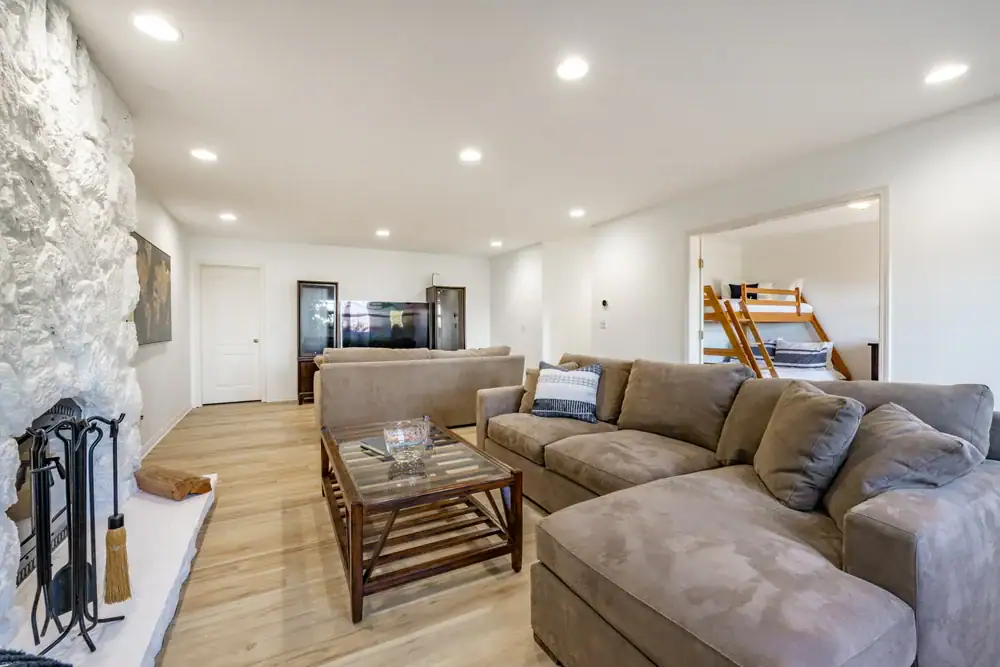
Hardwood Flooring Service Fair Hill
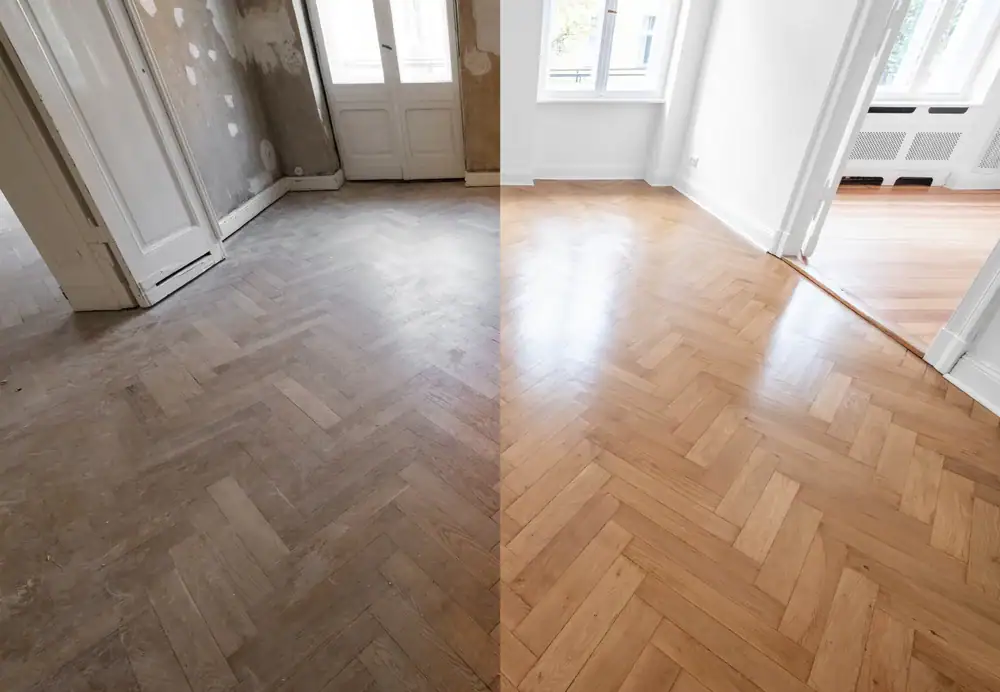
You walk back into a room that looks completely different. The scratches from your dog are gone. The dull, worn-down paths where everyone walks have disappeared. The gaps between boards that opened up every winter are tight again.
Your wood floors look smooth, even, and rich—like they did when they were first installed. The finish catches the light. The grain shows through clean and natural. You’re not embarrassed when people come over anymore.
And you didn’t have to rip anything out, deal with weeks of construction dust, or spend $10,000 replacing perfectly good wood. Refinishing costs a fraction of replacement—usually between $3,000 and $6,000 depending on square footage—and the results last for decades. That’s what happens when you restore instead of replace.
Hardwood Flooring Company Fair Hill
We’ve spent more than two decades working on wood floors across Fair Hill, VA and the greater Richmond area. We’ve seen every type of damage Virginia’s humidity can cause—warping, gaps, water stains, you name it.
We know what works here because we’ve done it hundreds of times. Our process is dustless, which means your furniture stays protected and you’re not cleaning for days after we leave. Most jobs finish in one day, so you’re not living around construction for a week.
We’re not the cheapest option in Fair Hill—and that’s intentional. You’re paying for equipment that actually works, finishes that hold up to Virginia’s seasonal swings, and people who know how to handle old wood without damaging it. That’s the difference between a floor that looks good for two years and one that lasts another 20.
Wood Floor Installation Process Fair Hill
First, we come out to look at your floors in person. We check for deep scratches, water damage, gaps, and any structural issues that need addressing before we refinish. This usually takes 15 minutes and helps us give you an accurate quote.
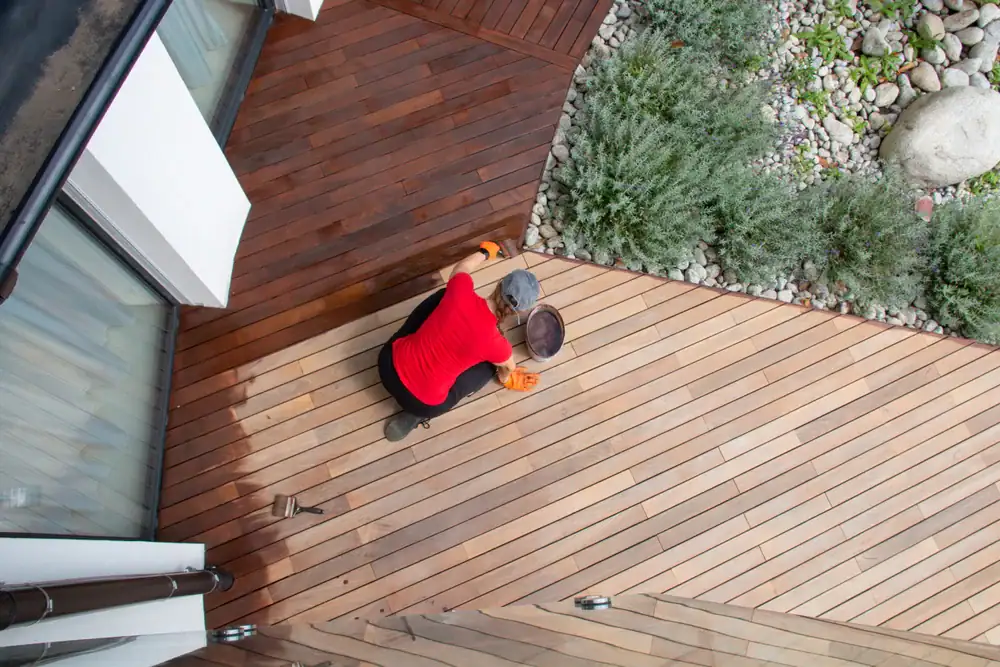
Once you’re ready to move forward, we prep the space. Furniture gets moved or covered. We use dustless sanding equipment—not the old-school sanders that coat your entire house in fine powder. The difference is massive. You won’t be wiping down your counters and baseboards for the next week.
After sanding, we apply the finish. Depending on your preference, that could be oil-based polyurethane for maximum durability, water-based for faster drying, or a penetrating oil for a more natural look. Each option has trade-offs, and we’ll walk you through them based on how you actually use the room. Most projects wrap up in a single day. You’ll need to stay off the floors while they cure—usually 24 to 48 hours depending on the finish—but after that, you’re done.
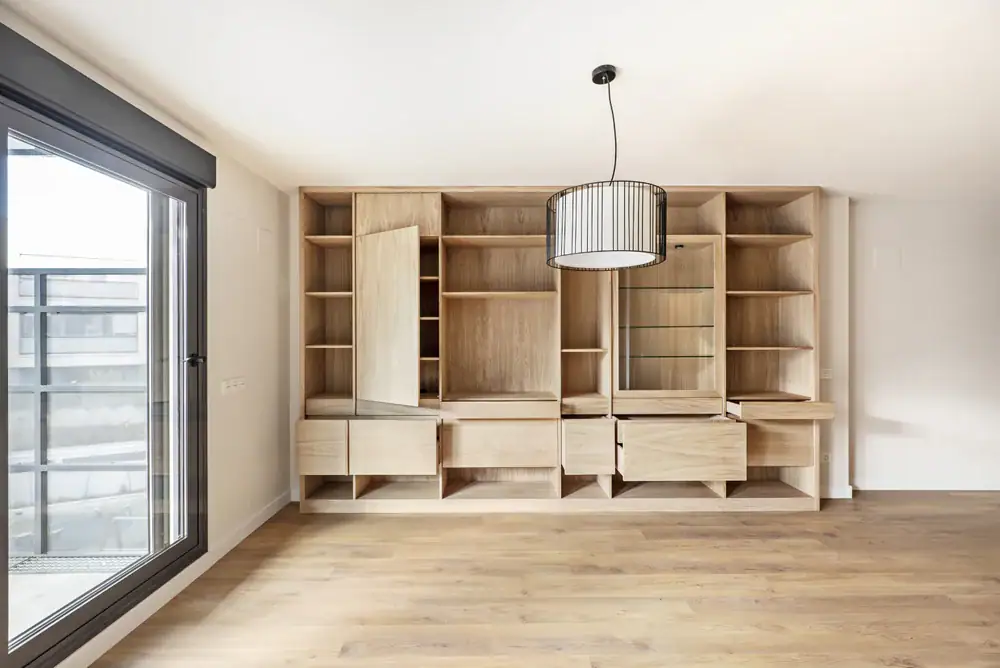
Solid Hardwood Flooring Fair Hill
You get a full assessment before we start any work. We don’t guess at what your floors need—we look at the wood species, the existing finish, the subfloor condition, and the damage patterns. That’s how we avoid surprises halfway through the job.
The refinishing itself includes complete sanding, stain application if you want to change the color, and a protective topcoat that’s built to handle real life. We’re not using bargain-bin products. The finishes we apply are designed to resist scratches, moisture, and UV fading—all things that matter in Fair Hill, VA, where humidity swings between summer and winter can be brutal on wood floors.
If your floors have deeper issues—like boards that need replacing, subfloor squeaks, or water damage that’s compromised the wood—we handle that too. We’re a hardwood flooring company that does more than just sand and coat. We can pull damaged boards, sister in new joists if needed, or address minor structural issues before refinishing. You’re not getting a cosmetic cover-up. You’re getting a floor that’s actually fixed.
How much does it cost to refinish hardwood floors in Fair Hill?
Most refinishing projects in Fair Hill run between $3,000 and $6,000 depending on square footage, the condition of the wood, and the type of finish you choose. That’s dramatically less than replacement, which typically costs $8,000 to $15,000 for the same space.
The price breaks down to about $1.50 to $3.50 per square foot for refinishing. If you’ve got 1,200 square feet of hardwood, you’re looking at roughly $1,800 to $4,200. Compare that to new wood floor installation, which runs $8 to $15 per square foot, and you’re saving anywhere from $7,000 to $14,000.
The cost goes up if there’s significant damage—water-stained boards that need replacing, deep gouges that require extra sanding, or structural issues with the subfloor. But even with repairs, refinishing almost always costs less than tearing everything out and starting over. And you’re keeping the original wood, which is often higher quality than what’s available today.
How long does the refinishing process take from start to finish?
Most wood floor refinishing jobs finish in one day. Sanding, staining (if you’re changing the color), and applying the topcoat usually take six to eight hours depending on the size of the space.
The curing time is what extends the timeline. Water-based finishes dry faster—you can walk on them in about 24 hours and move furniture back after 48. Oil-based polyurethane takes longer. You’ll need to stay off the floors for at least 24 hours, and it’s best to wait three to five days before putting furniture back.
If your floors need repairs before refinishing—like replacing damaged boards or fixing subfloor squeaks—that adds time. Minor repairs might add half a day. Larger structural work could push the project to two or three days. But the actual refinishing part? That’s a one-day process. You’re not living in a construction zone for weeks.
Will refinishing create a lot of dust in my home?
Not with our equipment. We use dustless sanding systems that capture 99% of the dust at the source. You’re not going to find a layer of fine powder on your kitchen counters or your bedroom furniture.
Traditional belt sanders kick dust into the air, and it settles everywhere—on ceiling fans, inside cabinets, on top of door frames. Even with plastic sheeting, it gets through. Our dustless system uses a vacuum attachment that pulls the dust directly into a containment unit as we sand. It’s not completely dust-free—nothing is—but it’s close enough that you won’t need to deep-clean your entire house afterward.
This matters especially if you have allergies, asthma, or young kids in the house. Airborne wood dust is irritating, and the old-school methods create a lot of it. The dustless process keeps your home cleaner and makes the whole project less disruptive. You’re not sealing off rooms or worrying about dust traveling through your HVAC system.
Can all hardwood floors be refinished, or are some too damaged?
Most solid hardwood floors can be refinished multiple times over their lifespan. Oak, maple, cherry, walnut—these can typically handle four to six refinishing cycles before the wood gets too thin. Each time you sand, you remove about 1/16 to 1/8 inch of material.
The floors that can’t be refinished are usually engineered hardwood with a very thin veneer layer, or solid wood that’s already been sanded down too many times. If the veneer is less than 2mm thick, sanding through it exposes the plywood underneath, and at that point you’re done. Solid wood that’s been refinished five or six times might not have enough thickness left to sand again without hitting the tongue-and-groove joints.
Water damage is the other limiting factor. If the wood has cupped, warped, or rotted from prolonged moisture exposure, refinishing won’t fix the structural problem. You’ll need to replace those boards first. But surface-level scratches, dullness, stains, and minor gaps? Those are all fixable. We assess the thickness and condition during the initial visit, so you’ll know up front whether refinishing makes sense or if replacement is the better move.
How do I know if I should refinish or replace my floors?
Refinish if the damage is mostly cosmetic—scratches, dullness, worn finish, minor stains, or small gaps between boards. These are all surface issues that sanding and a new topcoat will fix. Refinishing also makes sense if your wood is solid hardwood that hasn’t been sanded too many times already.
Replace if the wood itself is structurally compromised. That means boards that are warped, cupped, or rotted from water damage. It also means floors that have been refinished so many times there’s not enough wood left to sand again. Engineered hardwood with a thin veneer often falls into this category—once that top layer is worn through, you can’t refinish it.
Cost is usually the deciding factor when the floors are borderline. Refinishing costs about one-third to one-half what replacement does. If your floors are 70% salvageable and only a few boards need replacing, refinishing with selective board replacement is almost always the smarter financial move. If more than half the floor is damaged or you’re dealing with cheap engineered wood that’s already worn through, replacement starts to make more sense. We’ll walk you through the actual condition of your floors and give you a straight answer about which route makes sense.
What's the best time of year to refinish wood floors in Fair Hill?
Spring and fall are ideal in Fair Hill, VA because the humidity levels are more stable. Wood expands when it’s humid and contracts when it’s dry, and you want to refinish when the wood is closest to its average state—not fully expanded in August or fully contracted in January.
Summer refinishing can work, but you’re dealing with higher humidity, which slows down drying times for finishes. Oil-based polyurethane especially takes longer to cure when it’s humid. You also risk the wood expanding after the finish is applied, which can cause issues down the road when it contracts again in winter.
Winter is trickier. The air is drier, so finishes cure faster, but the wood is at its most contracted state. If you refinish in January and then humidity comes back in spring, the boards expand and can create issues with the finish or cause gaps to close unevenly. It’s not a dealbreaker, but it’s not ideal.
That said, we refinish floors year-round in Fair Hill. If you need it done in July or December, we adjust for the conditions. We just recommend spring or fall if you have flexibility in timing. The wood is more stable, the finishes cure predictably, and you’re setting yourself up for the best long-term results.