
Wood Floors in Elko, VA
Your Hardwood Floors Refinished in One Day
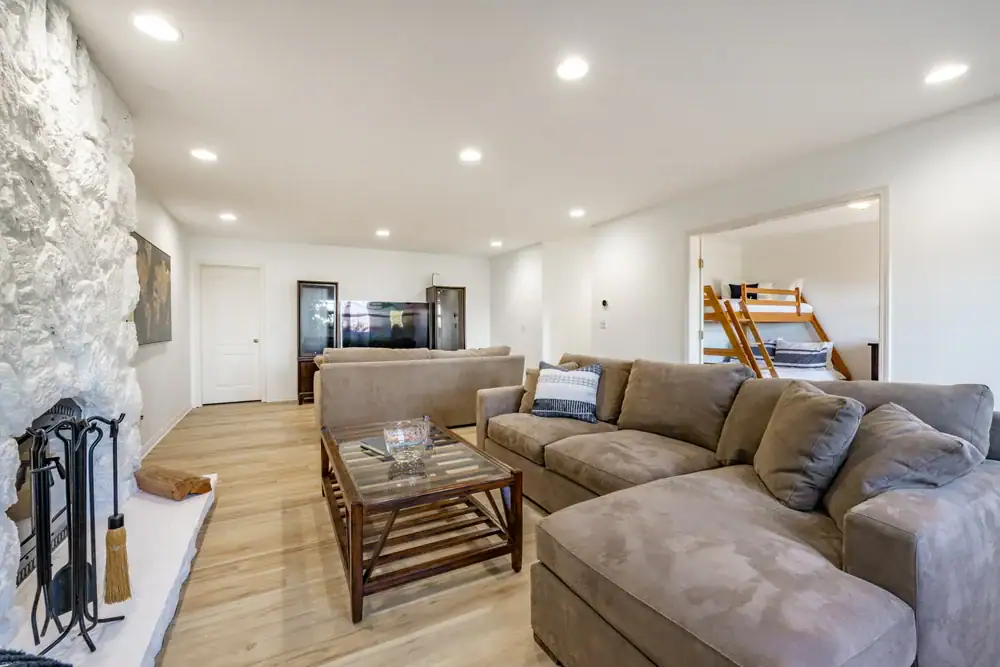
Hardwood Flooring Service in Elko
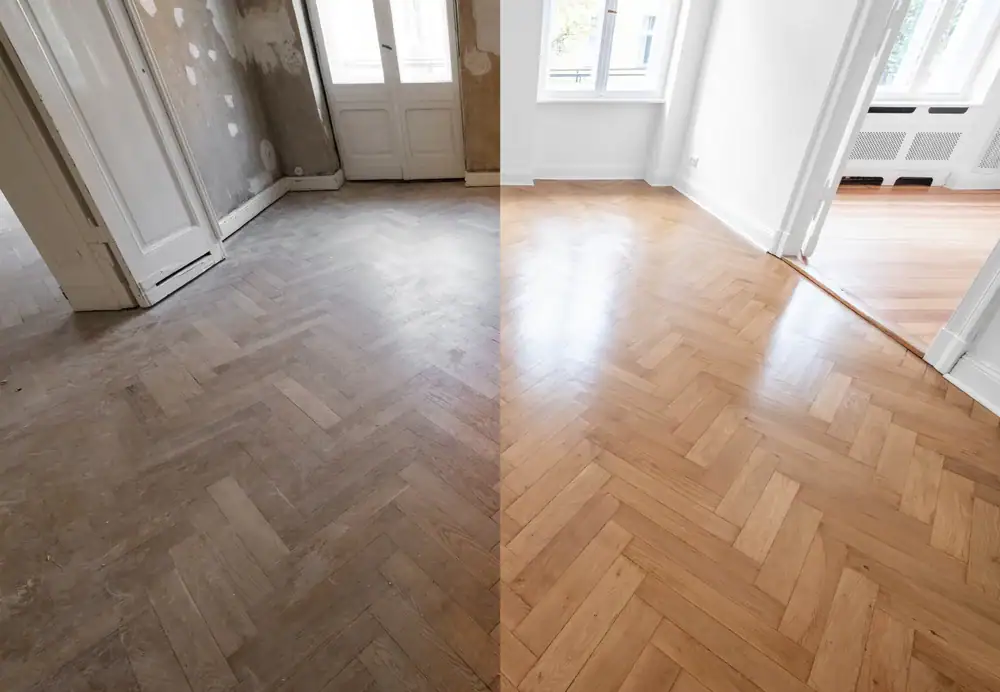
You’re looking at scratched, worn wood floors and wondering if it’s time to replace them. It probably isn’t.
Most hardwood flooring can be refinished multiple times before replacement becomes necessary. That means you can restore what you already have for a fraction of the cost—typically $3 to $8 per square foot versus $8 to $15 for new installation. The difference on an average-sized home runs thousands of dollars.
Here’s what changes after refinishing. Your floors look clean and consistent again. Scratches disappear. Water marks vanish. The finish protects against daily wear, so you’re not constantly worrying about every scuff or spill.
You also get to stay in your home. Our dustless system contains over 99% of particles, so you’re not dealing with dust settling on furniture, in vents, or throughout the house. Most jobs finish in a single day, meaning you’re back to normal routines faster than you’d expect.
And if you’re thinking about selling, refinished hardwood flooring increases home value by 2% to 5% according to real estate data. Buyers notice floors immediately when they walk through a home.
Wood Floor Installation Elko, VA
We’ve been working on wood floors in Elko, VA and surrounding areas since the early 2000s. That’s over 20 years of residential projects, from century-old farmhouses to newer construction in Henrico and Chesterfield counties.
The Richmond metro area has a mix of housing stock—older homes with original hardwood that needs careful restoration, and newer builds where homeowners want to refresh builder-grade finishes. We’ve handled both, along with everything in between.
What matters in this work is understanding how different wood species respond to sanding and finishing, knowing when floors can be saved versus when they can’t, and having the equipment to do the job without turning your home into a construction zone. We’ve invested in commercial-grade dustless systems because we’ve seen what traditional methods do to a house. You shouldn’t need a week of cleaning after your floors are done.
Elko sits in an area where homes tend to have solid hardwood flooring rather than engineered alternatives. That’s good news if you’re looking to refinish, because solid wood can be sanded down and refinished multiple times over its lifespan.
Wood Flooring Service Process
First, we move furniture out of the work area or to the center of the room, depending on the space. You don’t need to handle this unless you want to clear small items beforehand.
Next comes sanding. This is where our dustless system makes the biggest difference. Traditional sanders kick up fine particles that travel through your entire home. Our equipment uses a vacuum containment system that captures dust at the source, so you’re not dealing with cleanup in other rooms or worrying about air quality.
We start with coarser grits to remove the old finish and level the surface, then progress to finer grits for smoothness. The goal is to take off just enough material to eliminate scratches and damage while preserving as much of the wood as possible.
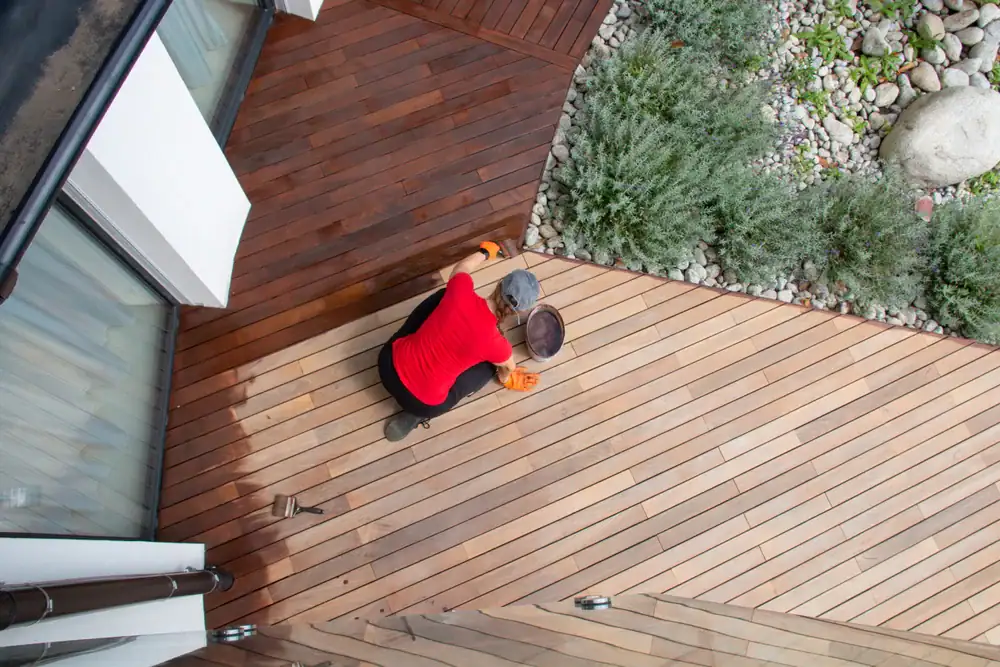
After sanding, we apply stain if you’re changing the color. If you’re keeping the natural wood tone, we skip straight to finish coats. Most residential projects get two to three coats of polyurethane, with drying time between each application.
The finish we use is designed for fast curing, which is how we complete most jobs in a single day. You’ll need to stay off the floors for several hours after we leave, but by the next morning, you can walk on them with socks. Full curing takes about a week, during which you’ll want to avoid heavy furniture or area rugs.
Solid Hardwood Flooring in Elko
We handle refinishing, restoration, and new wood floor installation across the Elko area and greater Richmond region. Each service addresses different needs depending on your floor’s current condition.
Refinishing works for floors with surface damage—scratches, dullness, minor water marks, or worn finish. If the wood itself is structurally sound, refinishing brings it back. This is the most common service we provide and the most cost-effective way to restore your floors.
Restoration goes deeper. If you have gaps between boards, loose planks, or sections with water damage that’s penetrated the wood, those issues need repair before refinishing. We replace damaged boards, re-secure loose ones, and address subfloor problems if necessary. Then we refinish everything to match.
New installation is for rooms that don’t currently have hardwood or where existing floors are beyond repair. We work with solid hardwood flooring in various species—oak, maple, hickory, and others depending on your preference and budget. Installation includes subfloor preparation, board layout, fastening, and finishing.
In the Elko and Richmond area, we’re seeing more homeowners choose lighter, natural wood tones over the gray finishes that were popular a few years ago. Matte and satin finishes are also replacing high-gloss options. These trends align with what’s happening nationally, but they also make sense practically—matte finishes hide dust and minor scratches better than glossy ones.
How long does it take for refinished wood floors to fully cure?
You can walk on refinished floors in socks within 12 to 24 hours after we finish. That’s when the surface is dry enough for light foot traffic.
Full curing takes longer—typically seven days. During that week, avoid placing heavy furniture back on the floors, and don’t put down area rugs yet. The finish is still hardening during this period, and pressure or trapped moisture can leave marks.
After a week, you can resume normal use. Move furniture back carefully, using felt pads under legs to prevent scratches. Wait two weeks before cleaning with any liquid products. When you do clean, use a hardwood-specific cleaner, not general-purpose or oil-based products that can leave residue.
The curing timeline depends partly on humidity and temperature. In Virginia’s humid summers, curing can take slightly longer than in drier months. We account for this when scheduling jobs and will give you specific guidance based on current conditions.
Can all wood floors be refinished, or are some too damaged?
Most solid hardwood flooring can be refinished multiple times—typically four to six times over the floor’s lifetime, depending on the thickness of the boards. Each refinishing removes about 1/32 to 1/16 of an inch of wood.
Engineered hardwood is different. It has a thin layer of real wood over a plywood base. If that top layer is thick enough (at least 3mm), it can usually be refinished once, maybe twice. Thinner wear layers can’t handle sanding without breaking through to the plywood underneath.
Floors with severe structural damage—extensive rot, termite damage, or boards that are cracked all the way through—aren’t good candidates for refinishing. In those cases, you’re better off replacing damaged sections or the entire floor.
Water damage is case-by-case. Surface stains from spills usually sand out. Deep stains that have penetrated the wood or caused cupping and warping may require board replacement before refinishing. We assess this during the initial inspection and let you know what’s realistic.
If your floors have been refinished multiple times already, we measure the remaining wood thickness to confirm there’s enough material left for another round of sanding.
What's the difference between dustless and traditional floor refinishing?
Traditional refinishing uses sanders that generate massive amounts of fine dust. That dust doesn’t stay in one room—it travels through doorways, vents, and any gap it can find. You’ll find it on countertops, inside cabinets, on window sills, and coating furniture days after the work is done.
Dustless systems use integrated vacuums that capture particles at the sanding head before they become airborne. Our equipment contains over 99% of dust, which means you’re not dealing with extensive cleanup or breathing issues during and after the job.
The difference is immediately noticeable. With traditional methods, you’d need to cover or remove everything in adjacent rooms, seal off doorways with plastic, and plan for significant cleanup. With dustless refinishing, we contain the work area, and the rest of your home stays clean.
This matters especially if anyone in your household has allergies, asthma, or respiratory sensitivities. It also matters if you’re staying in the home during the work, which most people do. You shouldn’t have to leave your house for a week because of dust exposure.
The actual refinishing results are identical. The difference is entirely in the process and how it affects your home environment.
How much does wood floor refinishing cost compared to replacement?
Refinishing typically costs $3 to $8 per square foot in the Richmond and Elko area, depending on the floor’s condition and the finish you choose. For a 1,000-square-foot area, that’s $3,000 to $8,000.
Replacement costs $8 to $15 per square foot for materials and installation. The same 1,000-square-foot area would run $8,000 to $15,000. That’s roughly double the cost, sometimes more if you’re installing higher-end wood species.
The price difference comes from labor and materials. Refinishing works with what’s already there—we’re restoring the existing wood, not removing and replacing it. Replacement involves demo, disposal, subfloor work, new material costs, installation, and finishing.
There are situations where replacement makes more sense financially. If large sections of your floor are damaged beyond repair, or if you’re down to the last possible refinishing due to previous sandings, replacement might be the better long-term investment. But most floors we see have plenty of life left and benefit more from refinishing.
One thing to consider: refinishing maintains your home’s original character if you have older hardwood. Replacement means losing that original material, which matters to some homeowners, especially in historic properties.
Can you change the color of wood floors during refinishing?
Yes. Staining lets you change the color entirely, go darker, go lighter, or shift the tone. Once we sand down to bare wood, you’re working with a blank canvas.
Popular choices right now in the Virginia area are natural tones with minimal stain, light browns, and warm grays. The trend has shifted away from the cool grays that were everywhere five years ago. Homeowners are going for warmer, more organic looks that show the wood grain clearly.
Going lighter is possible but has limits. If your floors are currently very dark, we can lighten them significantly by sanding off the old stain and applying a lighter one or leaving the wood natural. But you can’t make red oak look like maple—the underlying wood species has its own color and grain pattern that will show through.
Going darker is straightforward. Darker stains cover more of the wood’s natural variation and can make different board colors look more uniform.
Keep in mind that stain adds time to the process. Each stain coat needs to dry before we apply the protective finish. If you’re keeping the natural wood color, we skip staining and go straight to finish coats, which speeds up the job.
We can show you samples and test stains on a small section of your floor before committing to a color across the entire area.
Do I need to leave my home during floor refinishing?
No. Most clients stay home during the work, especially with our dustless system keeping the mess contained to the work area.
You’ll want to plan around noise and access. Sanding equipment is loud—similar to a vacuum cleaner running for several hours. If you work from home and need quiet for calls or concentration, you might schedule the work for a day when you’re out. But it’s not a safety or air quality issue that requires you to leave.
You’ll also need to stay out of the work area while we’re actively sanding and applying finish. We’ll let you know when it’s safe to walk through, usually during breaks or at the end of the day.
The finish we use has low VOC content, so the smell is noticeable but not overwhelming. It’s not like oil-based finishes from decades ago that required opening every window and leaving for days. You’ll smell it while it’s drying, but it’s not a health concern for most people.
If you have pets, keep them in a separate area during the work day. They shouldn’t be walking through wet finish or getting stressed by the equipment noise. Same goes for young children—easier to keep them in a different part of the house or plan activities elsewhere while we’re working.
By evening, the work area is clear, and you’re just waiting for the finish to cure enough for light foot traffic.