
Wood Floor Refinishing in Rockwood, VA
Floors That Look New Without the Replacement Cost
Hardwood Floor Refinishing Near Rockwood
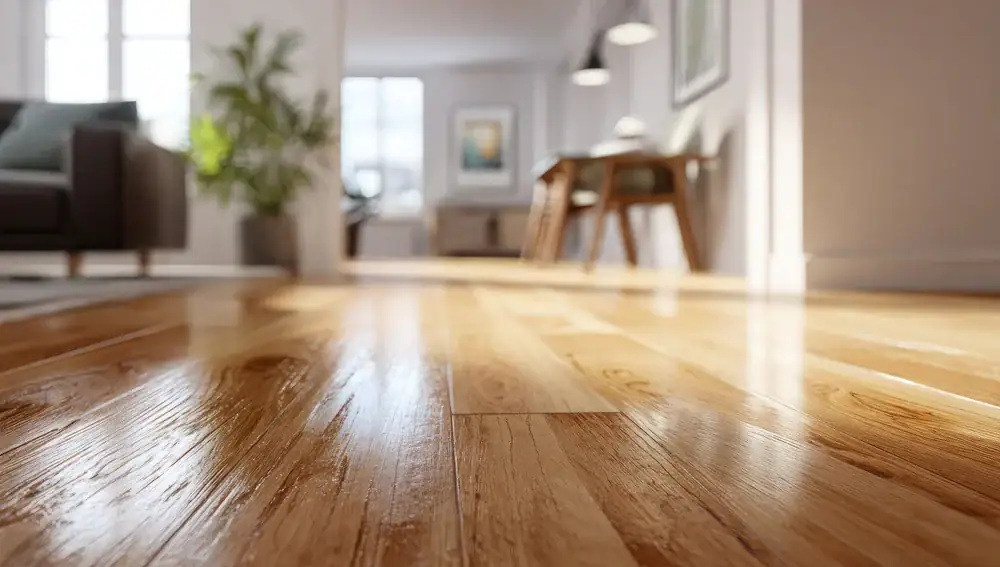
The scratches are gone. The dullness is gone. The worn traffic patterns that made your floors look tired—gone.
What’s left is a smooth, even finish that catches light the way it did when the floors were new. The grain comes back to life. The color deepens. And if you’re selling, buyers notice immediately.
Refinishing costs between $3 and $8 per square foot depending on the condition and finish you choose. Replacement runs $12 to $20 per square foot—and that’s before you factor in the time, the mess, and the disruption. In Rockwood, where the median home sells for $344,891 and properties move in under a month, well-maintained hardwood floors aren’t just cosmetic. They’re a competitive advantage.
Most projects finish in one day. You’re not displaced for a week. You’re not dealing with dust settling into every corner of your house for months. The process is clean, the results are immediate, and the ROI is 147%—meaning every dollar you spend comes back, plus nearly 50% more when you sell.
Rockwood's Hardwood Restoration Experts
We’ve been restoring hardwood floors across the Richmond area for over 20 years. Owner David Emmerling started Buff and Coat Floor Refinishing because he saw too many homeowners either living with damaged floors or paying for full replacements they didn’t need.
We work in Rockwood, Midlothian, Chesterfield, Glen Allen, and throughout the surrounding counties. Most of the homes we service were built in the mid-80s to early 90s—the same era as much of Rockwood—so we know these floors. We know how they age, what they need, and how to bring them back without overselling.
You’re not getting a sales pitch. You’re getting an honest assessment, a clear timeline, and a finished floor that lasts.
Our Wood Floor Sanding Process
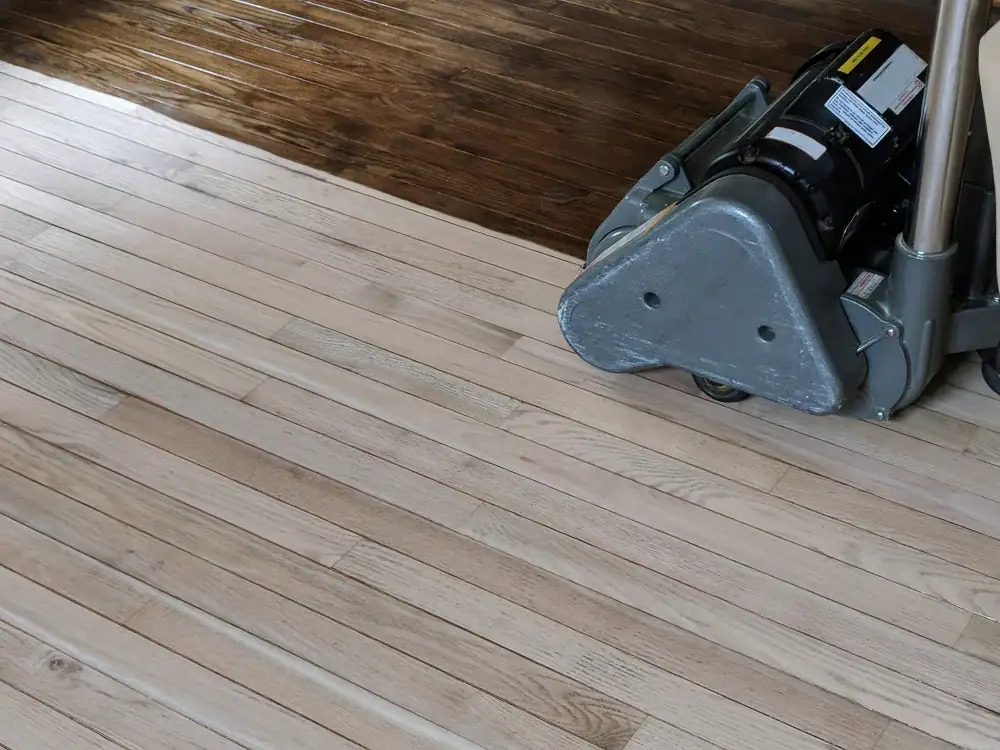
First, we assess the floor. Not every floor can be refinished, and we’ll tell you up front if yours can’t. Engineered wood with a thin wear layer, for example, may only handle one or two sandings in its lifetime. Solid hardwood can be refinished multiple times.
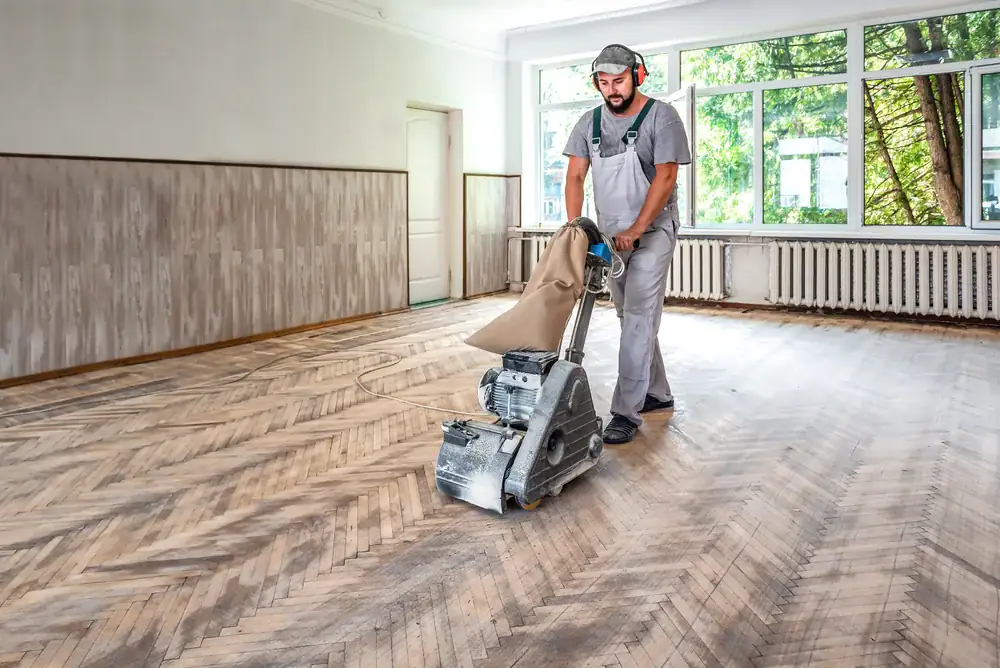
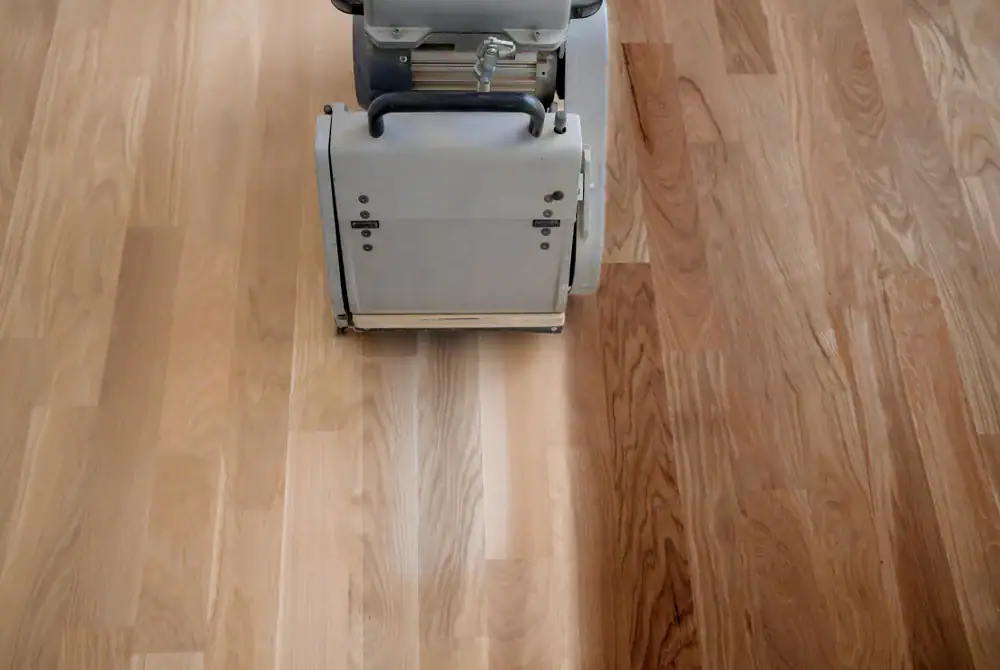
If your floors are good to go, we start with sanding. This is where most of the dust would normally come from—but we use dustless sanding equipment that captures 99% of particles at the source. No plastic sheeting over doorways. No dust creeping into your HVAC system.
After sanding, we apply stain if you want to change the color, then finish with a protective topcoat. Most jobs are done in a day. You can walk on the floors within a few hours, and they’re fully cured within 24 to 48 hours depending on the finish type.
We don’t leave until the floors look right. That means even color, smooth texture, and no missed spots. If something’s off, we handle it before we pack up.
What's Included in Hardwood Refinishing
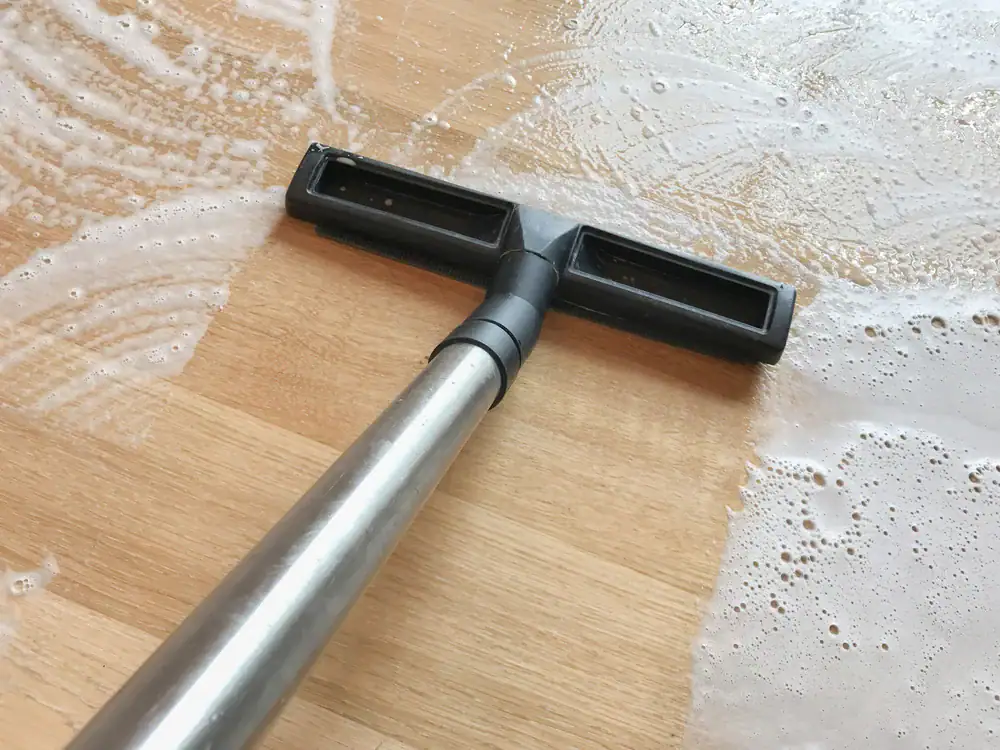
Every refinishing job includes floor inspection, dustless sanding, stain application (if requested), and a durable topcoat. We also handle minor repairs—filling gaps, replacing a few damaged boards, fixing squeaks if they’re accessible.
In Rockwood, where 95% of residents own their homes and the average property age is nearly 40 years, floors have usually seen decades of foot traffic, furniture moves, and pet activity. That’s normal wear. It’s also exactly what refinishing is designed to fix.
We also work with engineered wood, which is common in newer renovations and additions. Engineered floors can be refinished, but the process requires more precision because the wear layer is thinner. We measure before we sand to make sure there’s enough material to work with.
If you’re preparing to sell, we can match existing floors in other rooms or adjust the finish to appeal to buyers. If you’re staying, we’ll walk you through stain options and finishes based on how you use the space. High-traffic areas benefit from harder finishes like aluminum oxide. Low-traffic areas can use oil-based polyurethane for a warmer look.
How long does it take to refinish hardwood floors in a typical home?
Most residential refinishing projects are completed in one day. That includes sanding, staining (if applicable), and applying the finish coat.
Larger homes or floors in rougher condition may take two days, but that’s the exception. The dustless equipment we use speeds up the process because there’s no extended cleanup, and the finishes we apply cure faster than older oil-based products.
You can walk on the floors in socks within a few hours. Light furniture can go back after 24 hours. Full curing—meaning you can put rugs down and move everything back—takes about 48 hours for water-based finishes and up to a week for oil-based.
Can all hardwood floors be refinished, or are some too damaged?
Solid hardwood can be refinished multiple times over its life—usually between four and ten times depending on the thickness of the boards. Engineered hardwood is different. It has a thin layer of real wood on top of plywood, and that layer can only be sanded once or twice before you hit the core.
If your floors are cupped, warped, or have water damage that’s gone through to the subfloor, refinishing won’t fix the underlying issue. In those cases, the damaged boards need to be replaced first, then the entire floor can be refinished to match.
We inspect before we quote. If refinishing isn’t the right move, we’ll tell you. There’s no point in sanding a floor that won’t hold up.
How much does wood floor refinishing cost compared to replacing the floors?
Refinishing costs between $3 and $8 per square foot depending on the condition of the floor and the type of finish. A 500-square-foot area typically runs between $1,500 and $4,000.
Replacement costs $12 to $20 per square foot or more when you factor in removal, disposal, subfloor prep, and installation. That same 500-square-foot area would cost $6,000 to $10,000 or higher.
The ROI on refinishing is also stronger. According to industry data, refinishing returns about 147% of the cost when you sell. Buyers see well-maintained original hardwood as a premium feature, especially in areas like Rockwood where homes sell quickly and above asking.
Is the dustless refinishing process really dust-free, or is that marketing?
It’s not 100% dust-free, but it’s close—around 99% of dust is captured at the source during sanding. Traditional sanding creates fine particles that get into air vents, settle on furniture, and linger for months. Dustless systems use vacuum-attached sanders that pull dust into a containment unit before it ever enters the air.
The difference is immediate. There’s no need to cover furniture or seal off rooms. Cleanup takes minutes instead of hours. And if anyone in the house has allergies or respiratory issues, dustless refinishing eliminates most of the health concerns tied to airborne wood particles.
It does cost slightly more than traditional sanding—usually $1 to $2 more per square foot—but most homeowners in Rockwood find the cleaner process worth it, especially when they’re staying in the home during the work.
What's the difference between refinishing and a buff and coat?
Refinishing involves sanding the floor down to bare wood, removing the old finish completely, and applying new stain and topcoat. It’s a full reset. You can change the color, remove deep scratches, and address uneven wear.
A buff and coat (also called a screen and recoat) is a lighter process. We lightly abrade the existing finish to help the new coat bond, then apply a fresh topcoat. It refreshes the surface and adds protection, but it doesn’t remove scratches or change the color. It’s faster and cheaper—usually $2 to $3 per square foot—and works well if your floors are in decent shape but starting to look dull.
If your floors have heavy scratches, stains, or worn-through areas, refinishing is the better option. If they just need a refresh, buff and coat gets you most of the way there for less money and less time.
How soon can I move furniture back after the floors are refinished?
You can walk on the floors in socks within a few hours of the final coat. Light furniture—like chairs and small tables—can go back after 24 hours as long as you use felt pads under the legs.
Heavier furniture, rugs, and high-traffic use should wait 48 hours for water-based finishes. Oil-based finishes take longer to fully cure, so we recommend waiting up to a week before putting rugs down or moving everything back in.
The floor is dry to the touch much sooner than it’s fully cured. Curing is the process where the finish hardens completely. Walking on it too soon won’t ruin it, but dragging furniture or placing heavy objects before it’s ready can leave marks or dents that are permanent.