
Wood Floor Refinishing in Hanover Hills, VA
Your Hardwood Floors Can Look New Again
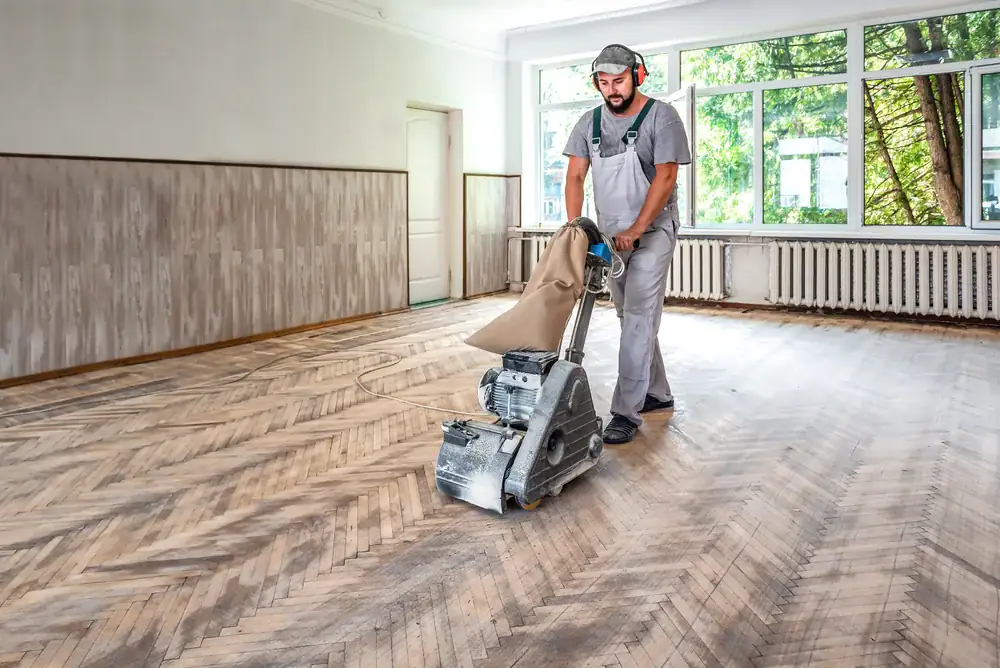
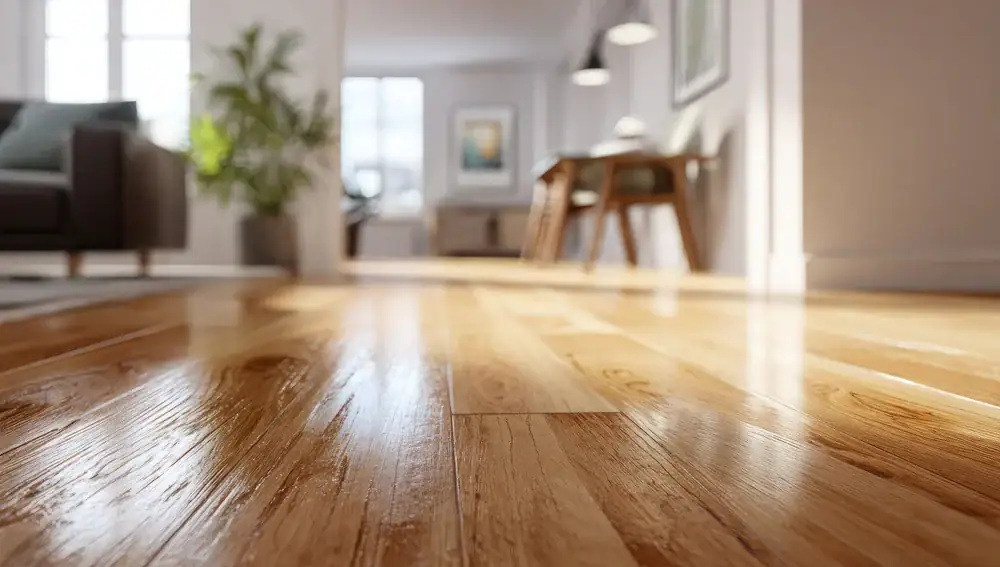
Hardwood Floor Refinishing Hanover Hills
You’re looking at floors that used to shine. Now they’re dull, scratched, maybe stained in spots you can’t scrub out. Refinishing strips away years of wear and reseals the wood with a fresh protective finish.
The result isn’t just cosmetic. Your floors become easier to clean. They resist future damage better. And if you’re thinking about selling, refinished hardwood is one of the few upgrades that actually moves the needle on home value in Hanover Hills’ competitive market.
Most projects wrap up in one to two days. You’re not living in a construction zone for weeks. The process is straightforward: sand down the damaged surface, apply stain if you want a new color, seal it with a durable finish. What you get back are floors that feel worth protecting again.
Hanover Hills Hardwood Restoration Experts
We’ve been working on hardwood floors across Virginia for over 20 years. Dave Emmerling personally oversees every project, which matters when you’re trusting someone with one of your home’s biggest visual assets.
We’ve worked in plenty of Hanover Hills homes. The area’s mix of older traditional homes and newer builds means we see everything from original hardwood that needs careful restoration to engineered floors that require specific techniques. That variety keeps us sharp.
You’re not getting a crew that learned last month. You’re getting technicians who know how different wood species respond to sanding, which finishes hold up in high-traffic areas, and how to handle the curveballs that come with older homes.
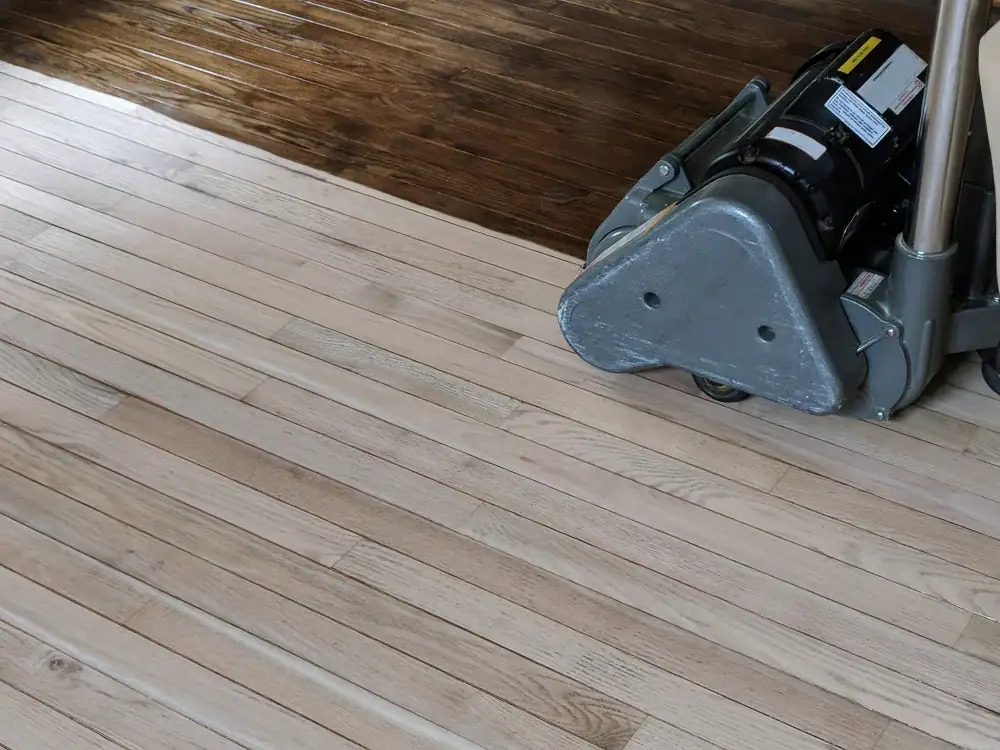
Wood Floor Sanding and Refinishing Process
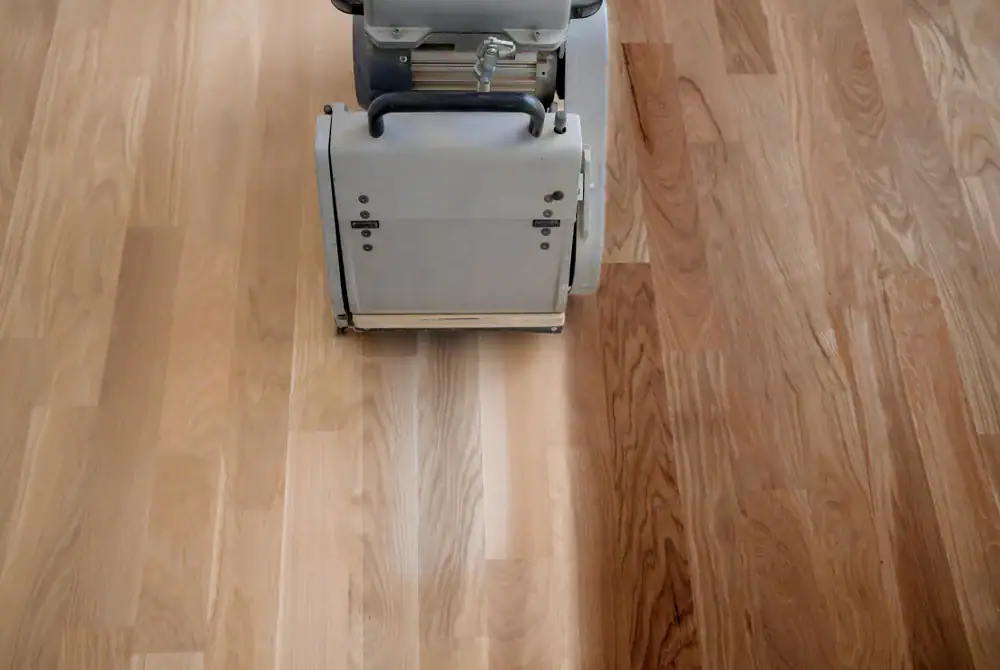
First, we assess your floors. Not every floor can be refinished—if the wood’s too thin or there’s structural damage, we’ll tell you upfront. Assuming your floors are good candidates, we start with sanding using dustless equipment that captures most of the fine particles that used to coat everything in your house.
Sanding removes the old finish and smooths out scratches and surface damage. We work through progressively finer grits until the wood is even and ready for finish. If you want to change the color, stain goes on after sanding. Otherwise, we move straight to the protective topcoat.
The finish is what protects your floors going forward. We typically use water-based or oil-modified urethane in the sheen level you prefer—matte finishes are popular right now because they hide footprints and don’t show every speck of dust. After the final coat cures, your floors are ready for furniture and normal use. The whole process usually takes one to two days depending on square footage and drying conditions.
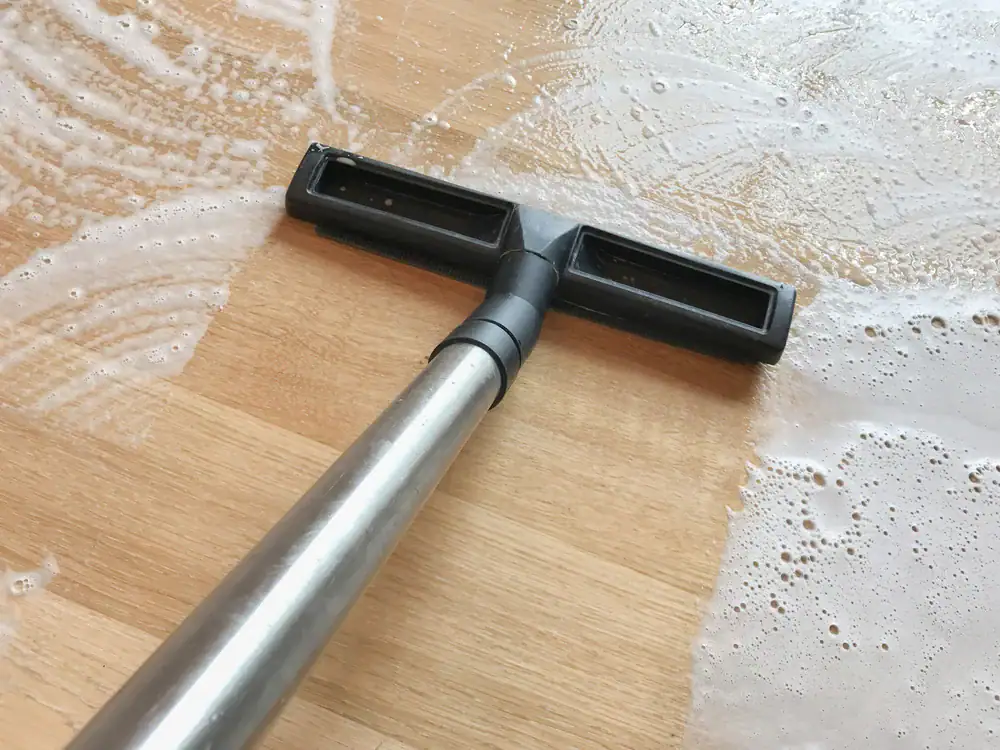
Buff and Coat Services Hanover Hills
Full refinishing means sanding down to bare wood and rebuilding the finish from scratch. That’s what most worn floors need. But if your floors just look dull and have minor scratches, a buff and coat might be enough—we lightly abrade the existing finish and add a fresh topcoat. It’s faster and costs less, but only works if the existing finish is still intact.
For Hanover Hills homes, we’re seeing more requests for matte and satin finishes instead of high gloss. The look is softer and more current, plus it’s more forgiving with everyday wear. We also offer low-VOC finishes if you’re concerned about fumes, which matters in a family home where you can’t just vacate for days.
Engineered wood refinishing is trickier than solid hardwood because the top veneer layer is thin. We can usually refinish it once, maybe twice if it’s a thicker wear layer, but it requires precision. If you’re not sure what type of flooring you have, we’ll identify it during the assessment. Given that Hanover County home values average nearly $400,000, protecting that investment with proper floor maintenance makes financial sense beyond just aesthetics.
How much does it cost to refinish hardwood floors in Hanover Hills?
Most homeowners pay between $1,100 and $2,700 for a typical refinishing project, which usually translates to around $3 to $8 per square foot depending on the condition of your floors and the finish you choose. That’s significantly less than replacement, which can run $12 to $20 per square foot or more for quality hardwood.
The variables that affect cost include how much damage needs repair, whether you’re changing stain colors (which adds a step), and the type of finish you select. Water-based finishes cost slightly more than oil-based but dry faster and have less odor. If your floors have deep scratches, pet stains, or water damage, there may be additional prep work to address those issues before sanding.
We provide estimates after seeing your floors in person because every project is different. Square footage is just the starting point—the real cost depends on what your floors actually need.
How long does the wood floor refinishing process take?
Plan on one to two days for the actual work, then additional time for the finish to fully cure before you can put furniture back and resume normal use. Most water-based finishes are dry enough to walk on in 4-6 hours and ready for light use within 24 hours, but full cure takes about a week.
Oil-modified finishes take longer—usually 24 hours between coats and several days before the floors are ready for furniture. They’re more durable and give a warm amber tone that some people prefer, but the tradeoff is a longer timeline and stronger odor during application.
You’ll need to clear the rooms of furniture before we start, and you’ll want to keep kids and pets off the floors during the drying period. Most families find it manageable if they plan ahead, especially compared to the weeks-long disruption of installing new flooring.
Can all hardwood floors be refinished, or are some too damaged?
Solid hardwood can typically be refinished multiple times over its life because there’s enough wood thickness to sand down repeatedly. But if your floors have been refinished several times already, there might not be enough wood left above the tongue-and-groove joint to sand again safely.
Engineered hardwood is more limited. The top layer is a thin veneer of real wood over a plywood base, so you can usually only refinish it once, maybe twice if the wear layer is thick enough. If someone’s already refinished it or if the veneer is very thin, refinishing might not be an option.
Floors with severe water damage, warping, or structural issues might need board replacement or full replacement rather than refinishing. We’ll assess your specific situation and tell you honestly whether refinishing makes sense or if you’re better off considering other options. There’s no point refinishing floors that won’t hold up.
What's the difference between refinishing and a buff and coat?
Refinishing means sanding down to bare wood and completely rebuilding the protective finish. It removes deep scratches, stains, and old finish, essentially resetting your floors. This is what you need if your floors are heavily worn, discolored, or the existing finish is failing.
A buff and coat (also called screen and recoat) is maintenance for floors that still have intact finish but look dull or have minor surface scratches. We lightly abrade the existing finish to help the new coat adhere, then apply a fresh topcoat. It’s faster, less expensive, and doesn’t involve sanding down to bare wood.
The catch is that buff and coat only works if your existing finish is still in decent shape. If the finish is worn through to bare wood in spots, or if you have deep scratches or stains, you need full refinishing. Think of buff and coat as a refresh, not a repair. Most floors benefit from a buff and coat every few years to extend the time between full refinishing projects.
Will refinishing create a lot of dust in my home?
Traditional sanding creates massive amounts of fine dust that settles on everything and can take weeks to fully clean up. That’s why we use dustless sanding equipment that captures about 95% of the dust at the source through a vacuum system attached to the sander.
You’ll still want to seal off the work area from the rest of your house with plastic sheeting, and there will be some dust—no system is 100% effective. But it’s dramatically less than old-school sanding. Most of our clients are surprised by how contained the process is compared to what they expected.
After we’re done, you’ll need to do some basic cleaning, but you’re not going to find dust coating your kitchen cabinets or settling into your HVAC system. For families with allergies or respiratory sensitivities, dustless refinishing isn’t just convenient—it’s often the only viable option.
Should I choose a matte, satin, or glossy finish for my floors?
Matte and satin finishes are more popular right now because they hide scratches, scuffs, and dust better than glossy finishes. High-gloss floors show every footprint and imperfection, which means more frequent cleaning to keep them looking good. If you have kids, pets, or high foot traffic, matte or satin is usually the practical choice.
Glossy finishes do reflect more light, which can make a space feel brighter and more formal. Some people prefer that look in dining rooms or areas that don’t see heavy use. But in living areas, kitchens, and hallways, the maintenance requirements of glossy floors frustrate most homeowners pretty quickly.
Satin is the middle ground—it has a subtle sheen without being mirror-like. It’s the most common choice we see in Hanover Hills homes because it works with both traditional and contemporary styles. Ultimately, it’s about how much upkeep you want to do and what aesthetic fits your home, but we’ll walk you through samples so you can see the difference before deciding.
Other Services we provide in Hanover Hills