
Wood Floor Refinishing in Gayton, VA
Your Floors Restored in One Day, Zero Dust
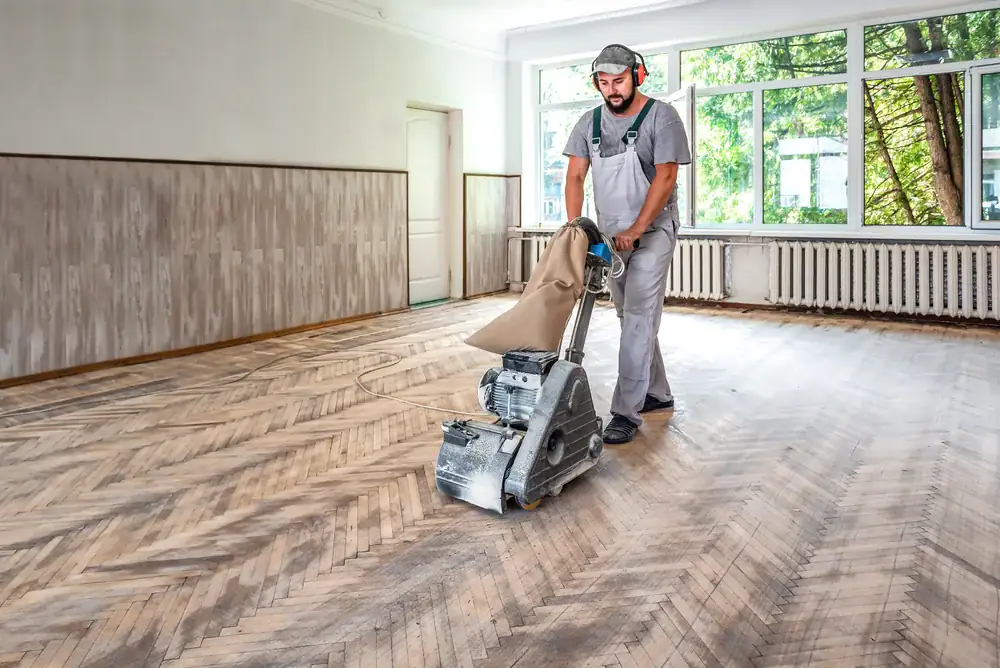
Hardwood Floor Refinishing Near Gayton
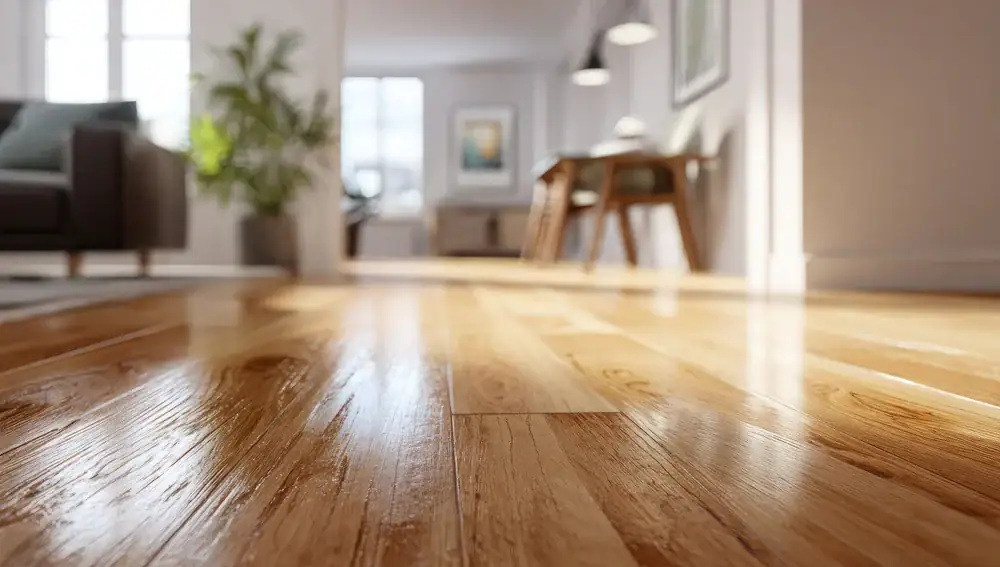
You walk back into a room that feels new again. The scratches from moving furniture three years ago are gone. The dull, worn traffic patterns near the kitchen have disappeared. The wood grain stands out like it did when you first bought the house.
Your floors aren’t just cleaner. They’re protected with a finish that can handle another decade of family dinners, holiday gatherings, and daily wear. No dust on your curtains. No furniture crammed into the garage for a week. Most jobs wrap up in a single day.
If you’ve been putting this off because you dreaded the mess or couldn’t afford to replace the floors entirely, refinishing gives you the look of new hardwood at a fraction of the cost. Homes in Gayton with quality hardwood floors see a measurable bump in value when those floors are maintained properly. This isn’t just cosmetic work—it’s protecting one of your home’s biggest assets.
Wood Floor Restoration Gayton, VA
We’ve been doing this for over 20 years across Henrico County and the greater Richmond area. Most of our work comes from referrals—homeowners who saw what we did for their neighbor or family member and wanted the same results.
Gayton homes built in the 1980s and 1990s are hitting that 30-to-40-year mark where the original finish starts breaking down. We’ve worked on hundreds of Colonial Revival homes in this area, and we understand what those floors need. Virginia’s humidity swings are hard on hardwood, especially oak and maple. We know how to prep, sand, and seal floors so they hold up in this climate.
You’re not hiring a crew that learned this trade last year. You’re working with people who’ve seen every type of floor issue and know how to fix it without making it worse.
Our Wood Floor Sanding Process
First, we come out for a free consultation. We check the condition of your floors, measure how much wood is left if they’ve been sanded before, and talk through finish options. Some floors only need a buff and coat. Others need full sanding and refinishing. We’ll tell you exactly what yours need.
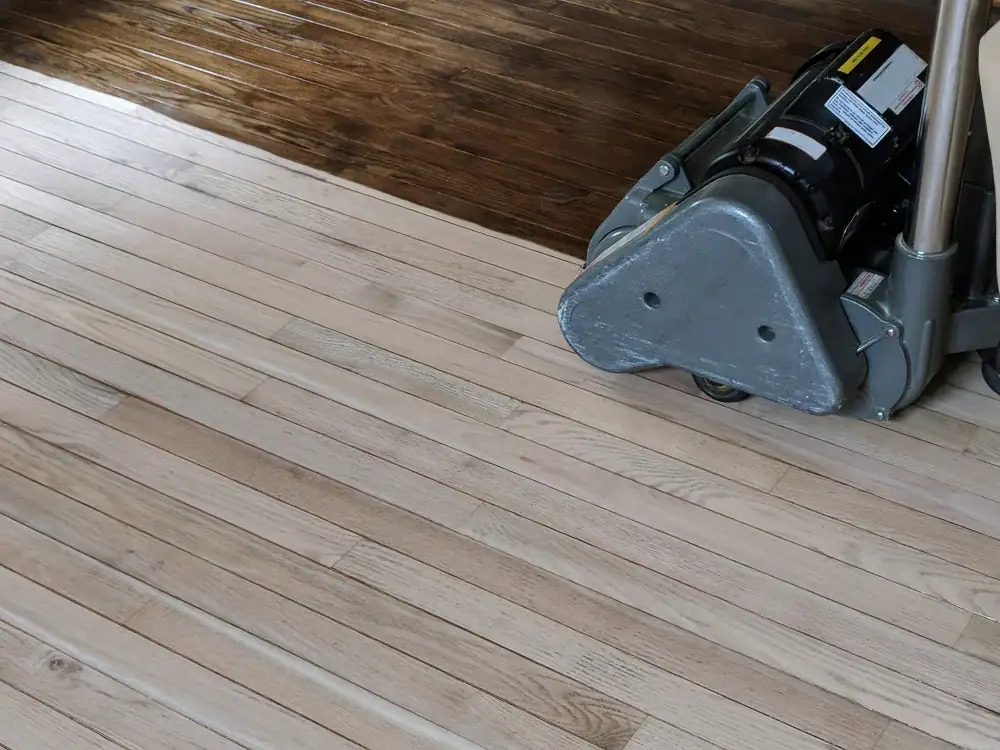
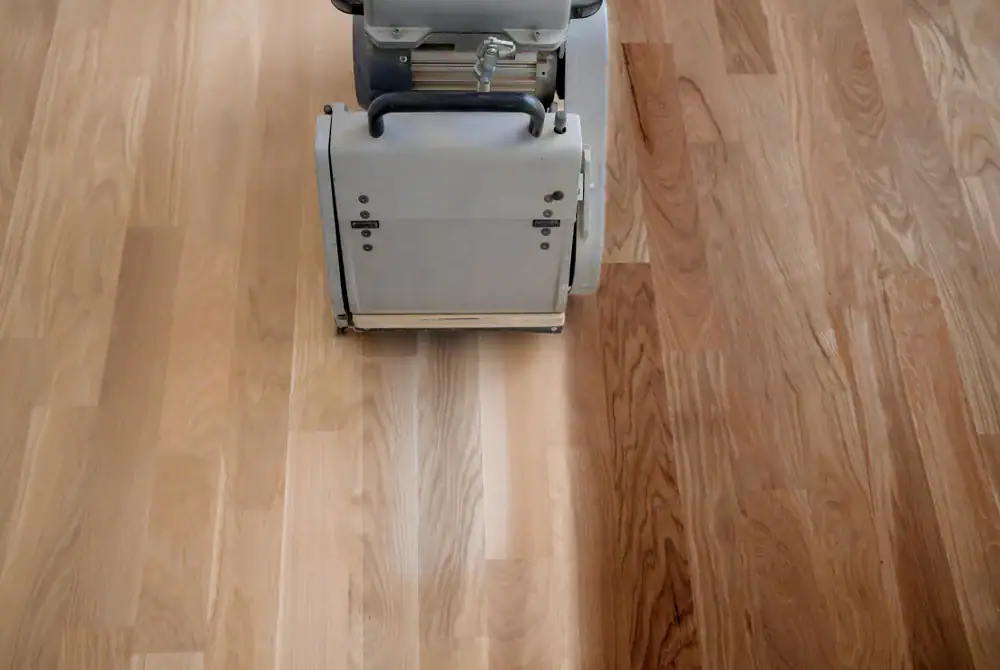
On the day of the job, we move furniture if needed and prep the space. Then we use dustless sanding equipment—this isn’t the old-school method that coats your entire house in fine powder. Our system captures over 99% of dust at the source. You won’t spend the next week wiping down baseboards and picture frames.
After sanding, we apply your chosen finish. Most homeowners in Gayton go with a low-VOC polyurethane for durability, but we also offer water-based finishes and oil-based options depending on your priorities. The finish needs time to cure, but you can usually walk on the floors within 24 hours. We’ll give you specific care instructions before we leave so you know exactly when you can move furniture back and resume normal use.
Hardwood Restoration Services in Gayton
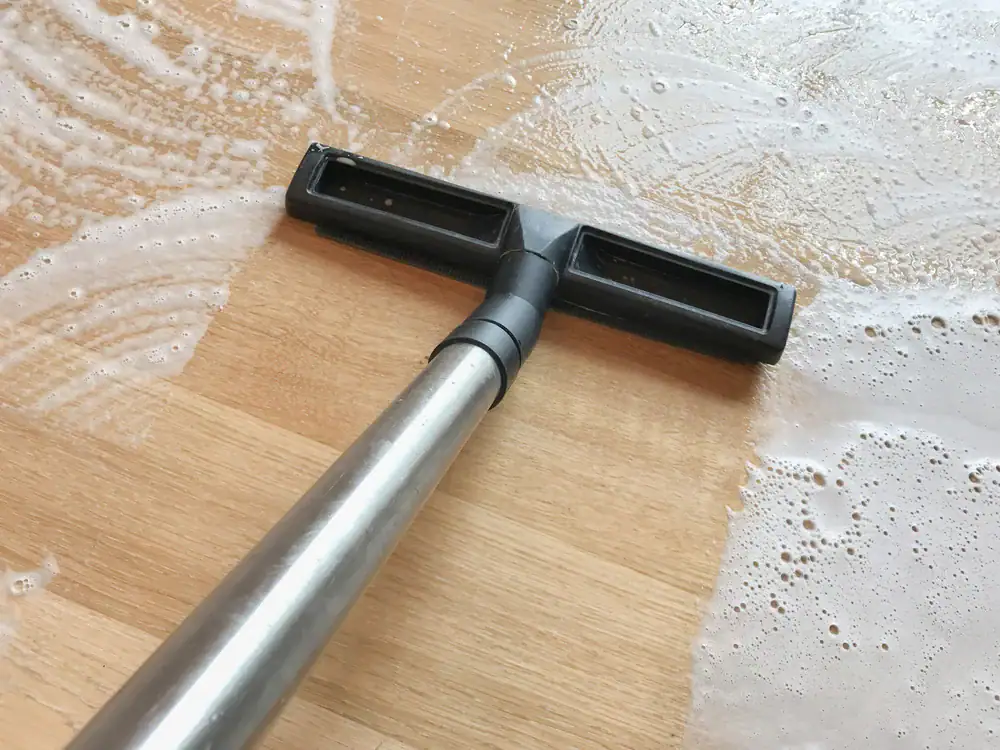
You get a full assessment of your floor’s condition before we start any work. We’re not going to sand floors that don’t have enough wood left—we’ll tell you upfront if replacement makes more sense. If refinishing is the right call, we handle the entire process: furniture moving, dustless sanding, stain application if you want to change the color, and finish coats that actually protect the wood.
Gayton homeowners are moving away from the orange-toned oak finishes that were popular in the 1990s. A lot of people are going darker—rich walnut tones—or lighter with natural and gray-washed looks. We can show you samples and explain how different stains will look on your specific wood species. Oak takes stain differently than maple or cherry, and that matters when you’re trying to match a vision you saw online.
We also handle engineered wood refinishing, which not every floor company will touch. Engineered floors have a thinner wear layer, so they require more precision. If your engineered floors are showing wear but aren’t damaged, refinishing can extend their life by years. We’ll measure the wear layer and let you know if it’s thick enough to sand safely.
How much does it cost to refinish hardwood floors in Gayton?
Most wood floor refinishing projects in the Gayton area run between $3 and $5 per square foot for a standard sand and refinish. A typical 500-square-foot living room costs around $1,500 to $2,500 depending on the condition of the floors and the finish you choose. If your floors only need a buff and coat—which is common if they were refinished within the last 5 to 7 years and just need a fresh topcoat—you’re looking at closer to $1 to $2 per square foot.
The price goes up if there’s significant damage, deep scratches, or water stains that need extra attention. Changing the stain color also adds to the cost because it requires more prep work. But even at the higher end, refinishing costs a fraction of what you’d pay to replace hardwood floors entirely, which can run $8 to $15 per square foot installed.
We give free estimates, so you’ll know the exact cost before we start. No surprises, no upselling once we’re halfway through the job.
How long does the hardwood floor refinishing process take?
Most residential jobs are done in one day. We show up in the morning, prep and sand the floors, apply the finish, and you’re looking at newly refinished floors by late afternoon. The finish needs time to cure, so you’ll want to stay off the floors for at least 24 hours, and we recommend waiting 48 hours before moving furniture back.
Larger homes or floors that need extra repair work might take two days, but that’s the exception. If you’re just getting a buff and coat, we’re usually in and out in a few hours. The dustless system we use speeds things up because there’s no extended cleanup process afterward.
Compare that to traditional refinishing, which can take three to five days and leaves your house covered in dust. Or compare it to a full floor replacement, which can shut down your home for a week or more. One day of minor inconvenience is manageable for most families, especially when you see the results.
Will refinishing my floors create a lot of dust and mess?
Not with our process. We use dustless sanding equipment that captures dust at the source—over 99% of it never enters your home’s air. You won’t find fine powder settling on your countertops, inside your cabinets, or coating your HVAC vents the way you would with traditional sanding methods.
This matters for families with young kids, anyone with allergies or asthma, and homeowners who just don’t want to spend days cleaning up after a floor job. The old belt sanders that contractors used 20 years ago created dust clouds that infiltrated every corner of your house. Our equipment connects directly to a vacuum system that pulls dust into a containment unit before it goes airborne.
You’ll still want to clear the room of furniture and cover doorways to other parts of the house, but the difference in cleanliness is dramatic. Most of our clients are surprised by how little cleanup is required after we leave.
Can all hardwood floors be refinished, or are some too damaged?
Most solid hardwood floors can be refinished multiple times over their lifespan, but there’s a limit. Each time you sand a floor, you remove a thin layer of wood. Eventually, you run out of material to work with. If your floors have been sanded three or four times already, they might not have enough thickness left for another refinishing.
We measure the wood thickness during the consultation. If there’s not enough left, we’ll tell you. Some floors also have damage that goes too deep—like water stains that penetrated through to the subfloor, or boards that are cupped or warped beyond repair. In those cases, replacing individual boards or sections might make more sense than trying to sand everything down.
Engineered hardwood is trickier. The top wear layer is thinner than solid hardwood, so you can usually only refinish it once, maybe twice if the wear layer is thick. We’ve seen plenty of engineered floors that were installed 10 to 15 years ago and are ready for their first refinish. If yours is one of them, we can handle it—but we’ll measure first to make sure there’s enough material to sand safely.
Should I try to refinish my floors myself or hire a professional?
You can rent a drum sander and try it yourself, but the risk of permanent damage is real. Drum sanders are aggressive machines, and if you let one sit in place for even a second too long, you’ll gouge the floor. Those gouges don’t sand out—they’re permanent. We’ve been called in to fix plenty of DIY projects that went wrong, and the repair work often costs more than the original refinishing would have.
There’s also the issue of knowing when to stop sanding, how to blend edges, and how to apply finish coats evenly without bubbles, streaks, or dust contamination. Professional equipment makes a difference, but so does experience. We know how different wood species respond to sanding, which grits to use in what order, and how to handle tricky areas like corners and thresholds.
If your floors are in good shape and you’re handy, a simple buff and coat might be manageable. But full sanding and refinishing? That’s where most DIY projects fall apart. The cost of hiring us is worth it when you consider the alternative is living with a floor you damaged yourself.
What type of finish should I choose for my hardwood floors?
Most homeowners in Gayton choose oil-based polyurethane because it’s durable and handles foot traffic well. It gives floors a warm, slightly amber tone that deepens over time. The downside is a stronger odor during application and a longer cure time—you’ll want to keep windows open and avoid heavy use for a few days.
Water-based polyurethane is another option. It dries faster, has less odor, and keeps the wood’s natural color without adding that amber tint. It’s a good choice if you want a lighter, more modern look or if you’re sensitive to fumes. The trade-off is that it’s slightly less durable than oil-based, though modern formulas have closed that gap significantly.
Some people prefer oil-based finishes like tung oil or hardwax oil for a more natural, matte look. These finishes penetrate the wood rather than sitting on top, and they’re easier to spot-repair if you get a scratch. But they require more maintenance and aren’t as tough as polyurethane. We’ll walk you through the pros and cons of each option based on how you use the space and what look you’re going for.