
Hardwood Floor Refinishing in Windsor Place, VA
Your Floors Can Look New Again Without Replacement
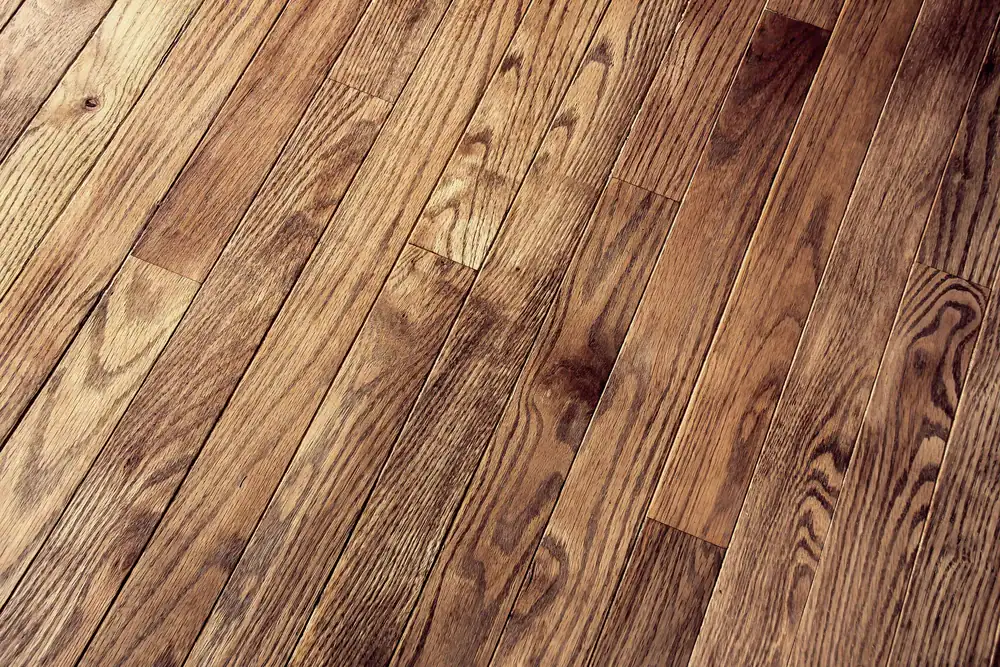
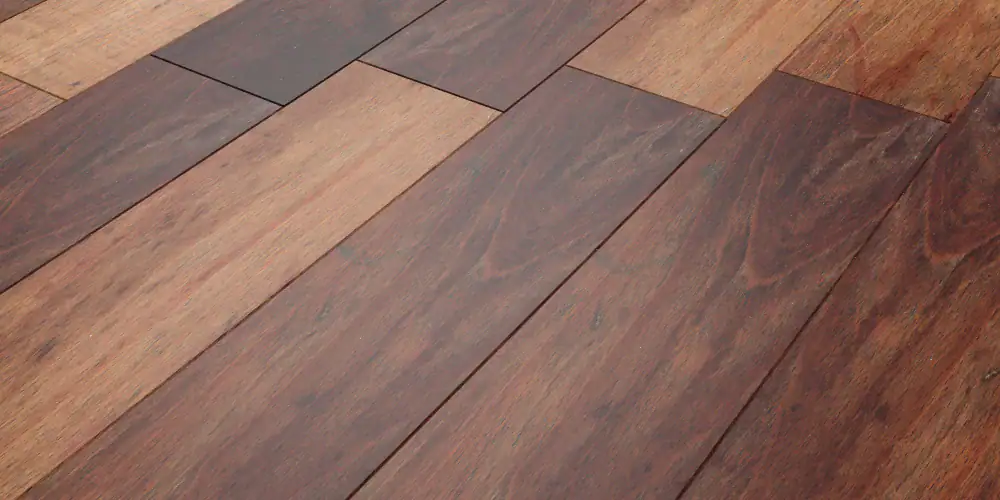
Professional Floor Refinishing Near Windsor Place
You walk barefoot again without worrying about splinters. The dull, scratched surface that made you cringe when guests came over now reflects light like it did when the floors were new.
That’s what happens when you refinish instead of replace. You get the beauty back without the $10,000+ price tag of tearing everything out and starting over.
Your floors aren’t just cleaner—they’re protected. A fresh finish seals the wood against Richmond’s humidity swings, the kind that make boards expand in summer and contract in winter. You’re not dealing with cupping or gaps anymore because the process addresses what’s actually causing the problem.
And if you’ve been putting this off because you can’t handle a week of dust and chaos, that’s not how this works. The dustless sanding system we use captures about 80% of the particles that would normally coat your furniture and get into your HVAC. Most jobs wrap up in a day, so you’re not displaced from your own home.
Windsor Place Hardwood Floor Restoration Experts
We’ve been working on hardwood floors in the Richmond area since before dustless systems were standard. That means we’ve seen what happens to century-old heart pine in Fan District row houses and what Windsor Place homeowners deal with when their oak floors start showing wear.
We’re not a franchise. David Emmerling runs this business, and after 20 years, most of our work comes from people who’ve seen what we did for their neighbor or family member. That’s over 80% referrals—not because we’re great at marketing, but because the floors hold up.
Richmond’s climate is tough on hardwood. The humidity doesn’t stay put, and neither do your floors if they’re not finished correctly. We know how to check moisture content before we start and which finishes actually protect against the seasonal movement you get in this area.
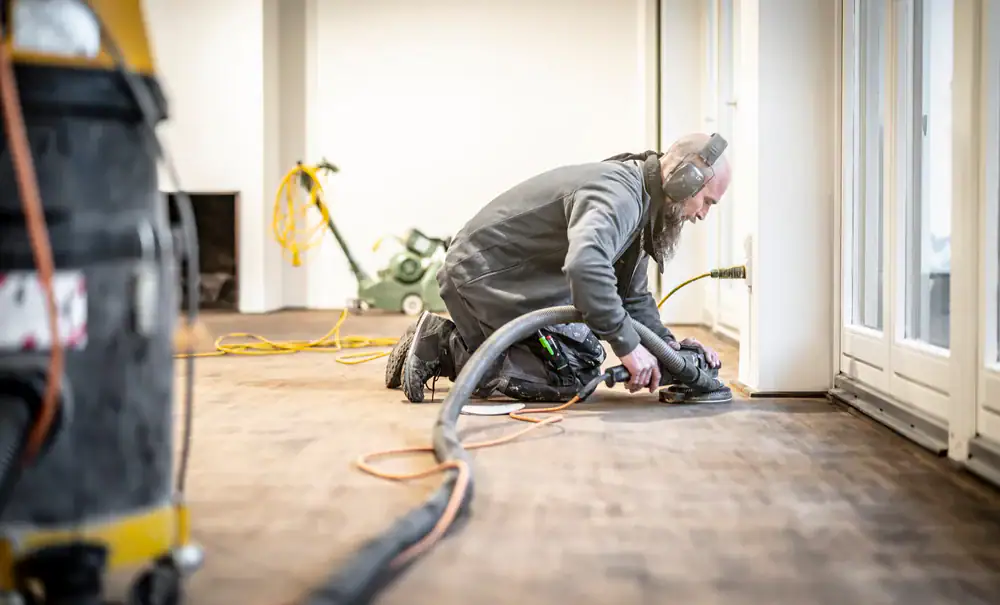
Our Hardwood Floor Refinishing Process
First, we look at your floors in person. Not every floor needs full sanding—sometimes a buff and coat is enough to bring back the shine and add a protective layer. If the finish is just worn but the wood underneath is still smooth, that’s the route we’ll recommend because it saves you money and time.
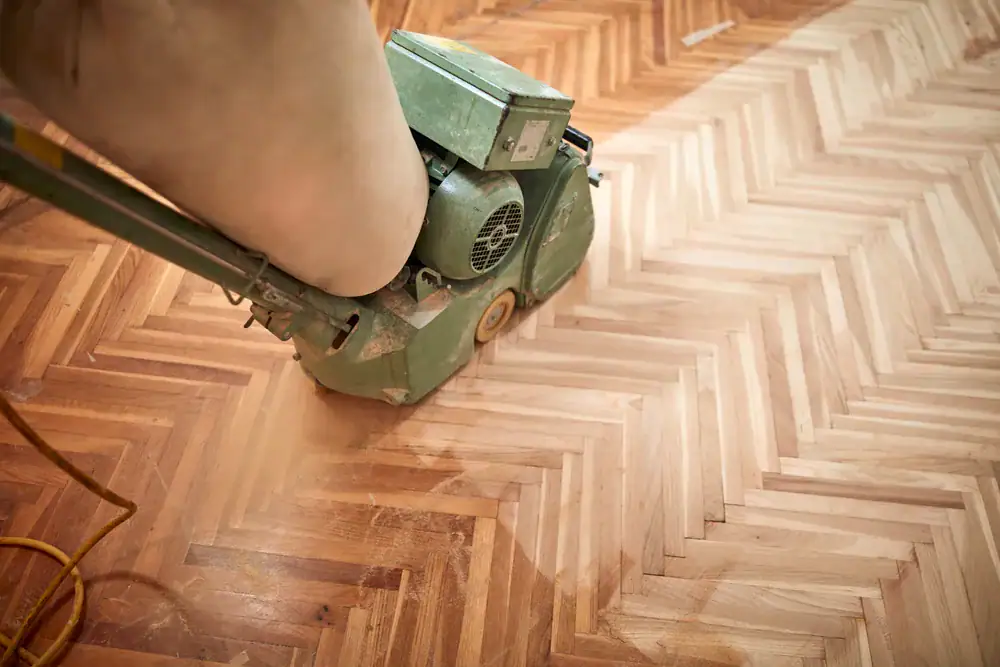
If the floors need more work—deep scratches, stains, uneven boards—we’ll do a full sand and refinish. That means taking the floor down to bare wood with our dustless sanding equipment, which connects to a vacuum system that pulls particles out of the air as we work. You won’t have dust settling on your counters three rooms away.
Once the wood is prepped, we apply stain if you want to change the color or go darker. Then comes the finish—multiple coats of a durable polyurethane that can handle foot traffic, pets, and the humidity changes Richmond throws at it. Each coat needs to dry before the next goes on, but the timeline is still typically one day for most residential jobs.
You’ll need to stay off the floors while they cure, usually 24 hours before you can walk on them and a few days before you move furniture back. We’ll give you the exact timeline based on the finish we’re using and the conditions in your home.
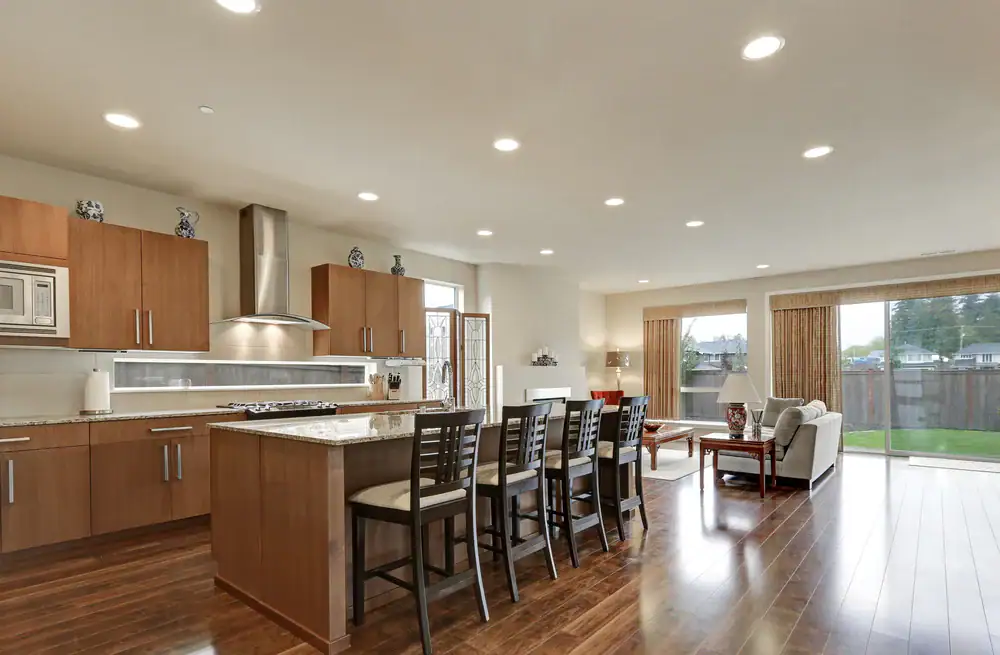
Hardwood Floor Sanding and Staining Services
Every refinishing job starts with an evaluation of what your floors actually need. We’re checking for moisture issues, structural problems, and whether the wood can handle another sanding. Some floors in older Windsor Place and Richmond homes have been refinished multiple times already, and there’s a limit to how much wood you can take off before you hit the tongue-and-groove joints.
The sanding process removes the old finish and any surface damage—scratches, stains, discoloration from sun exposure or water. We’re using commercial-grade equipment that’s designed to create an even surface without gouging or leaving swirl marks. The dustless system isn’t just about keeping your house clean; it’s also healthier if anyone in your home has asthma or allergies.
After sanding, you have options for stain color. A lot of Windsor Place homeowners are going back to natural wood tones right now, but if you want to go darker or match existing floors in another room, we can do that. The finish we apply is what actually protects the wood—it’s the barrier between your floor and everything that hits it daily.
We’re also handling buff and coat services for floors that don’t need full refinishing. This is basically a deep clean and a fresh topcoat, and it extends the life of your floors by years. If your finish is wearing thin in high-traffic areas but the wood itself is fine, this is the most cost-effective move.
How much does hardwood floor refinishing cost in Windsor Place?
For a buff and coat, you’re looking at around $1.50 per square foot. That’s the process where we screen the existing finish, clean everything thoroughly, and apply a new protective coat. It’s the least invasive option and works when your floors just need refreshing.
Full sanding and refinishing costs more because it’s more labor-intensive. You’re typically looking at $3 to $5 per square foot depending on the condition of the wood, the size of the space, and whether you’re adding stain. For an average-sized room—say 300 square feet—that’s around $900 to $1,500 total.
Compare that to replacement, which runs $8 to $15 per square foot when you factor in tearing out the old floor, disposing of it, and installing new material. Refinishing gives you the same visual result for a fraction of the cost, and you’re keeping the original wood that’s already acclimated to your home’s environment.
How long does the hardwood floor refinishing process take?
Most residential jobs are done in one day. That includes sanding, staining if you want it, and applying the finish coats. Larger homes or floors in really rough shape might stretch into a second day, but that’s not typical.
The curing time is separate. You can walk on the floors in socks after about 24 hours, but we recommend waiting 48 to 72 hours before putting furniture back. Full cure—where the finish reaches maximum hardness—takes about a week. During that time, you’ll want to avoid dragging heavy objects across the surface or putting down area rugs that could trap moisture.
If you’re doing a buff and coat instead of full refinishing, the timeline is even shorter. The actual work might only take a few hours, and the dry time is faster because we’re applying fewer coats.
Will refinishing my floors create a huge mess?
Not with the dustless system we use. Traditional sanding creates a fine dust that gets everywhere—in your vents, on your walls, inside cabinets you thought were sealed. Our equipment has a vacuum attachment that captures about 80% of the dust right at the source.
You’ll still want to remove furniture and anything breakable from the room, and we’ll seal off doorways to other parts of the house. But you’re not going to spend the next week wiping down every surface or changing your HVAC filter three times.
The other mess people worry about is the smell from the finish. Modern water-based polyurethanes have way less odor than the oil-based products that were standard years ago. If you’re sensitive to smells or have respiratory issues, let us know and we’ll plan accordingly—sometimes that just means better ventilation or scheduling the work when you can stay elsewhere overnight.
Can you fix floors with water damage or deep scratches?
It depends on how deep the damage goes. Surface scratches and minor water stains come out during the sanding process—we’re removing the top layer of wood where that damage sits, so it disappears.
Deeper issues like cupping, where boards have warped from prolonged moisture exposure, are trickier. Sometimes the wood will flatten back out once we sand it and the moisture content stabilizes. Other times, individual boards need to be replaced before we refinish the rest of the floor. We’ll tell you upfront if that’s the case.
Pet stains that have soaked into the wood are another common problem. If the urine has penetrated deep enough, sanding might not eliminate the discoloration or odor completely. There are treatments we can apply, but in extreme cases, board replacement is the only real fix. The good news is we can match new boards to your existing floor and refinish everything together so you can’t tell where the repair was made.
What's the difference between buff and coat and full refinishing?
Buff and coat is a maintenance process. We’re not sanding down to bare wood—we’re screening the existing finish to rough it up slightly, then applying a fresh topcoat. This works when your finish is worn but the wood underneath is still in good shape. It’s faster, cheaper, and less invasive than full refinishing.
Full refinishing means sanding off all the old finish and any damaged wood, then starting from scratch with stain and new finish coats. You’d do this when the floor has deep scratches, stains that have penetrated the finish, or when you want to change the color entirely.
Most floors can be fully refinished multiple times over their lifespan, but there’s a limit based on how thick the wood is. Engineered hardwood, for example, has a thin veneer layer and might only handle one or two sandings. Solid hardwood can usually be refinished five to seven times before you run into problems. We measure the wood thickness during the initial consultation so you know what you’re working with.
How do I maintain my floors after refinishing?
The finish we apply is durable, but it’s not indestructible. Regular sweeping or vacuuming keeps dirt and grit from acting like sandpaper under foot traffic. Use a microfiber dust mop or a vacuum without a beater bar—those rotating brushes can scratch the finish over time.
For cleaning, stick with products made specifically for hardwood floors. Avoid anything oil-based like Murphy’s Oil Soap, which can leave a residue that builds up and makes your floors look dull. A damp mop with a pH-neutral cleaner is all you need for routine maintenance.
Richmond’s humidity swings are hard on hardwood, so controlling indoor moisture helps. Run a dehumidifier in summer when it’s muggy, and add humidity in winter when the heat is running and the air gets dry. Keeping indoor humidity between 35% and 55% year-round minimizes the expansion and contraction that leads to gaps and cupping. And use felt pads under furniture legs, rugs in high-traffic areas, and mats at exterior doors to catch dirt and moisture before it hits your floors.
Other Services we provide in Windsor Place