
Hardwood Floor Refinishing in Bosher, VA
Floors That Look New Without the Replacement Cost
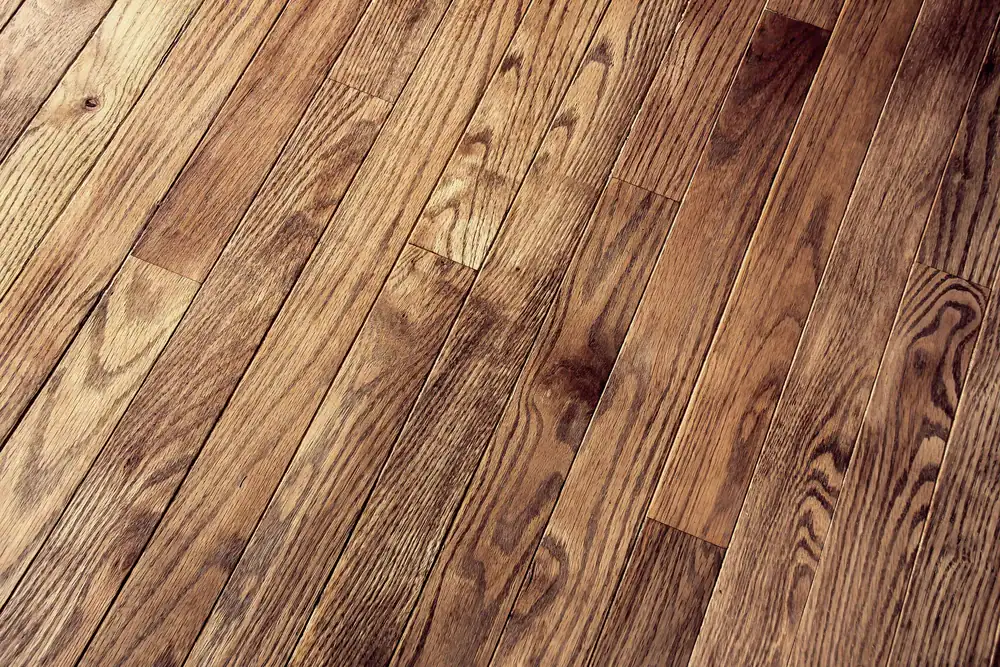
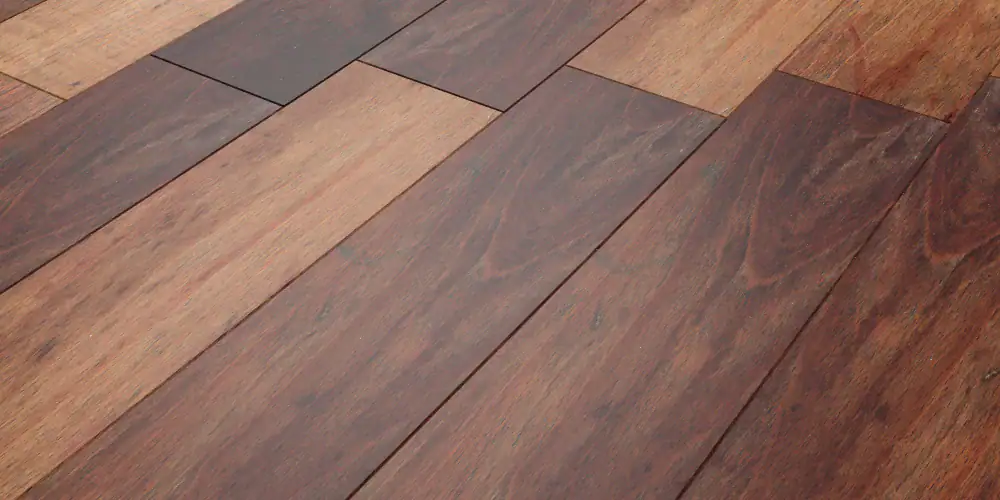
Floor Refinishing Services in Bosher
You’re looking at scratches, dullness, and wear patterns that make your home feel older than it should. The good news is that solid hardwood can be refinished multiple times before it ever needs replacing. Most floors have three to five refinishes left in them, which means you’re sitting on an asset that just needs the right attention.
Refinishing brings back the color depth and protective finish that daily life strips away. You’ll see the grain again. The room feels bigger and cleaner. And if you’re thinking about selling, refinished floors consistently return more value than almost any other home improvement, often recovering well over 100% of the cost in resale value.
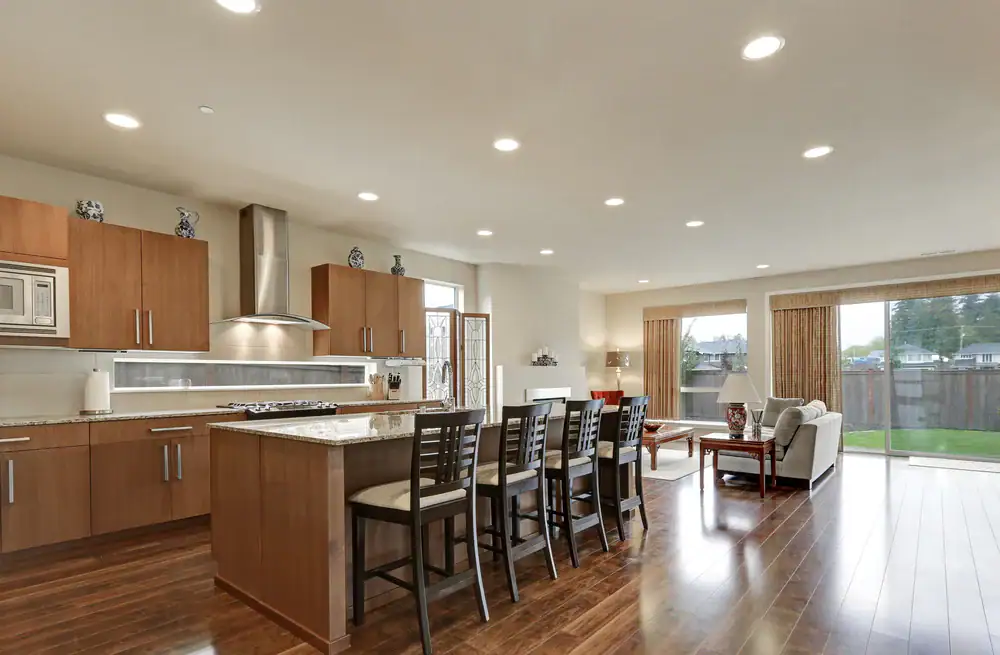
This isn’t about making do with damaged floors. It’s about restoring what’s already there so it performs like it did when it was first installed. You skip the mess of a full replacement, the cost of new materials, and the downtime that comes with tearing out and reinstalling. You get a floor that looks new because the process makes it new again.
Bosher Hardwood Floor Refinishing Experts
We’ve been working in Bosher and the greater Richmond area for over 20 years. Most of our work comes from referrals, which tells you something about how the jobs turn out and how people feel after the work is done.
Bosher homes range from mid-century builds to newer construction, and the floors reflect that variety. You’ve got original oak that’s held up for decades, newer prefinished planks, and everything in between. Our approach adjusts depending on what’s under your feet. Different wood species, different wear patterns, different finishes all require different handling.
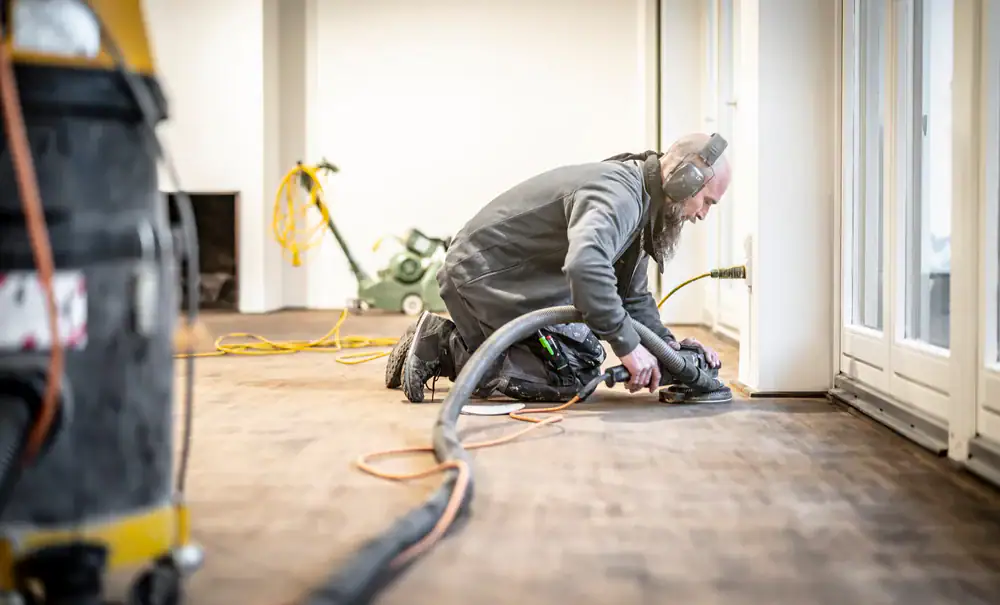
We use dustless equipment and a buff and coat process that’s faster and cleaner than traditional sanding. You’re not dealing with dust settling into every corner of your house or waiting days for the job to wrap. Most projects finish in a single day, and the floors are ready to walk on within hours.
Our Hardwood Floor Refinishing Process
The process starts with an assessment of your floors. Not every floor needs a full sand, and not every finish works the same way on every wood type. You’ll get a clear recommendation based on the actual condition of your floors, not a one-size-fits-all pitch.
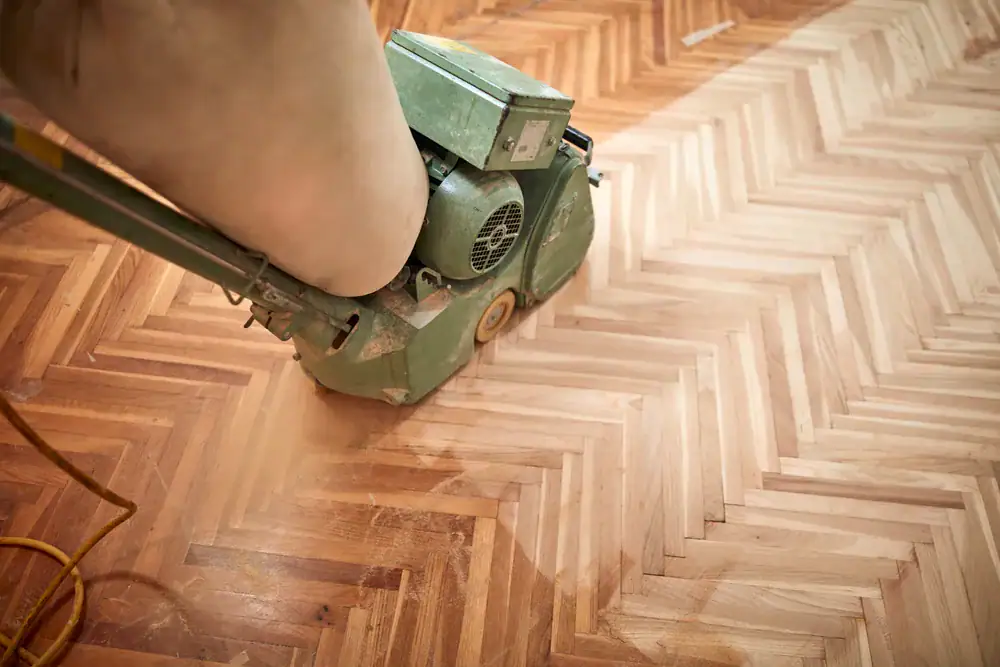
If your floors are candidates for buff and coat, the surface gets lightly abraded to remove the old finish and prepare it for the new coat. This isn’t deep sanding. It’s a screening process that takes off the worn top layer without cutting into the wood itself. The dustless equipment captures nearly all the particles as they’re generated, so your home stays clean.
After screening, a fresh coat of finish goes down. You’re looking at a polyurethane or oil-based finish depending on what makes sense for your space and how much traffic it sees. The finish dries quickly, and most floors are ready for light foot traffic within a few hours. Full curing happens over the next day or two, but you’re not locked out of your rooms for a week.
The result is a floor that looks refinished because it is refinished. The scratches are gone, the dullness is gone, and the protective layer is back in place. You’re adding years to the floor’s life without the cost or disruption of replacement.
Hardwood Floor Sanding and Staining Bosher
The service includes a full evaluation of your floors before any work starts. You’ll know if refinishing makes sense or if repairs need to happen first. Some floors have gaps from humidity changes or boards that need attention before refinishing can deliver the results you’re after.
Bosher’s housing stock includes a lot of homes built in the 1950s through 1980s, and many still have their original hardwood under carpet or vinyl. If that’s your situation, the floors might need more than a buff and coat. Full sanding and staining becomes the better option when the wood has deep scratches, stains, or color inconsistencies that a light abrasion won’t fix.
Staining gives you control over the final look. You can go darker for a more formal feel, lighter to open up the space, or match the original color if you’re keeping things consistent with the rest of the house. The stain goes on after sanding and before the topcoat, and it penetrates the wood to change the color permanently.
The topcoat is what protects everything. It’s the barrier between your floor and the daily wear from foot traffic, furniture, pets, and spills. A quality finish can last seven to ten years depending on how much use the floor sees, and when it starts to dull, you can buff and coat again without needing to sand down to bare wood.
How long does hardwood floor refinishing take in Bosher?
Most buff and coat jobs finish in one day. You’ll need to clear the rooms in the morning, and by late afternoon, the work is done. The floors are dry enough to walk on within a few hours, though you’ll want to wait 24 hours before moving furniture back in.
Full sanding and refinishing takes longer, usually two to three days depending on the size of the space and how many coats of finish you’re applying. The sanding itself happens in a day, but each coat of stain or finish needs time to dry before the next one goes on.
The timeline also depends on what needs to happen before refinishing starts. If there are repairs—loose boards, gaps, or damaged sections—those get handled first. You’ll know the full schedule after the initial assessment, and there won’t be surprises halfway through the job.
What's the difference between buff and coat and full sanding?
Buff and coat is a surface-level refinishing process. It removes the old finish and applies a new one without cutting into the wood itself. It works well when your floors have light scratches, dullness, or wear but the wood underneath is still in good shape. It’s faster, less invasive, and costs significantly less than full sanding.
Full sanding goes deeper. It removes the old finish and a thin layer of wood to get rid of deep scratches, stains, or color inconsistencies. You’re left with bare wood, which then gets stained (if you want to change the color) and finished with a protective topcoat. This is the right move when the damage goes beyond the surface or when you want to change the floor’s appearance entirely.
The choice depends on what your floors need. If the wood is in decent shape and you just want to restore the finish, buff and coat gets you there. If the wood itself is damaged or discolored, full sanding is the better option. You won’t pay for more work than necessary, but you also won’t get a subpar result from choosing the cheaper option when it’s not the right fit.
Can you refinish floors with pet scratches and water damage?
Pet scratches usually aren’t a problem if they’re surface-level. Light scratches come out during the buffing process, and deeper ones get addressed during full sanding. The key is whether the scratches have penetrated the finish or cut into the wood itself. Surface scratches disappear with refinishing. Deep gouges might need wood filler or board replacement before refinishing can happen.
Water damage is more complicated. If the water sat long enough to stain the wood or cause warping, those boards might need to be replaced before refinishing. Stains that have soaked into the wood won’t sand out completely, and warped boards won’t lay flat no matter how good the finish is. You’ll get an honest assessment during the evaluation so you know what’s fixable and what’s not.
In most cases, floors with pet damage and minor water stains can be refinished successfully. The goal is to get the floor back to a consistent appearance and structural soundness. If replacement boards are needed, they get sanded and finished along with the rest of the floor so everything matches when the job is done.
How much does hardwood floor refinishing cost in Bosher?
Buff and coat services run around $1.50 per square foot. That’s significantly less than full sanding, which typically ranges from $3 to $5 per square foot depending on the condition of the floors and how many coats of finish you’re applying. A 500-square-foot room would cost roughly $750 for buff and coat or $1,500 to $2,500 for full sanding and refinishing.
The price changes based on what the floors need. Repairs, staining, or dealing with difficult wood species add to the cost. You’ll also pay more if furniture needs to be moved or if there are a lot of corners, closets, or tight spaces that slow down the work.
Compared to installing new hardwood, refinishing is a fraction of the cost. New flooring installation in the Richmond area averages between $3,200 and $3,500 for a typical room, and that’s before you factor in removing and disposing of the old floor. Refinishing gives you a floor that looks new without the expense or waste of replacement. You’re keeping what you have and making it functional again, which is almost always the smarter financial move if the wood is still solid.
Is dustless floor refinishing really dustless?
Dustless refinishing captures about 95% of the dust generated during the process. It’s not completely dust-free, but it’s a massive improvement over traditional sanding, which sends fine particles into every room of your house. The equipment uses a vacuum system that pulls dust directly into a containment unit as the floor is being worked on.
You’ll still want to cover or move items in adjacent rooms, and there might be a light film of dust near the work area, but you’re not dealing with dust settling on countertops, furniture, or air vents throughout the house. Cleanup is minimal, and you don’t need to worry about dust aggravating allergies or respiratory issues.
The dustless process also protects the floors themselves. Less airborne dust means fewer particles landing on the wet finish, which results in a smoother final surface. You get a cleaner home and a better-looking floor, which is the point of using the equipment in the first place.
How often should hardwood floors be refinished?
Most hardwood floors need refinishing every seven to ten years, depending on traffic and how well they’ve been maintained. High-traffic areas like entryways and hallways show wear faster than bedrooms or formal dining rooms. If you’re seeing dullness, scratches that don’t buff out with regular cleaning, or areas where the finish has worn through to bare wood, it’s time to refinish.
Waiting too long can cause bigger problems. Once the finish wears away completely, the wood itself starts to absorb moisture, dirt, and stains. That damage doesn’t come out with refinishing alone—you’ll need repairs or board replacement, which adds cost and complexity. Refinishing before the wood gets damaged keeps the job simpler and less expensive.
Solid hardwood can typically be refinished three to five times over its lifespan, depending on the thickness of the boards. Each refinishing removes a small amount of wood, so there’s a limit to how many times you can sand before you run out of material. Buff and coat extends the time between full sandings because it doesn’t remove wood, only the old finish. Done at the right intervals, your floors can last decades without needing replacement.