
Wood Floor Installers in Laurel, VA
Hardwood Floors Installed Right the First Time
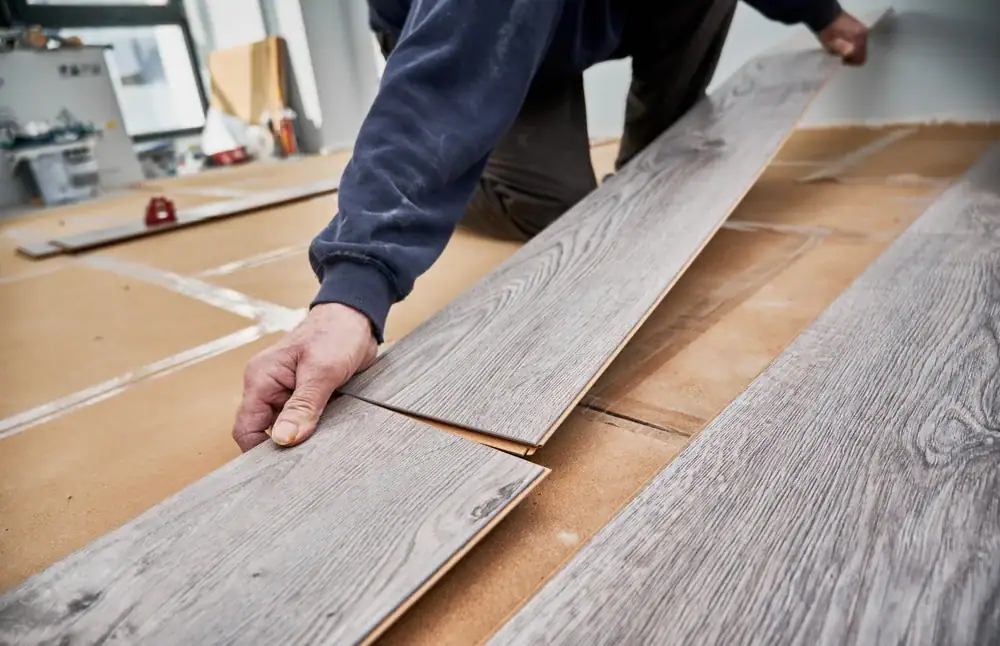
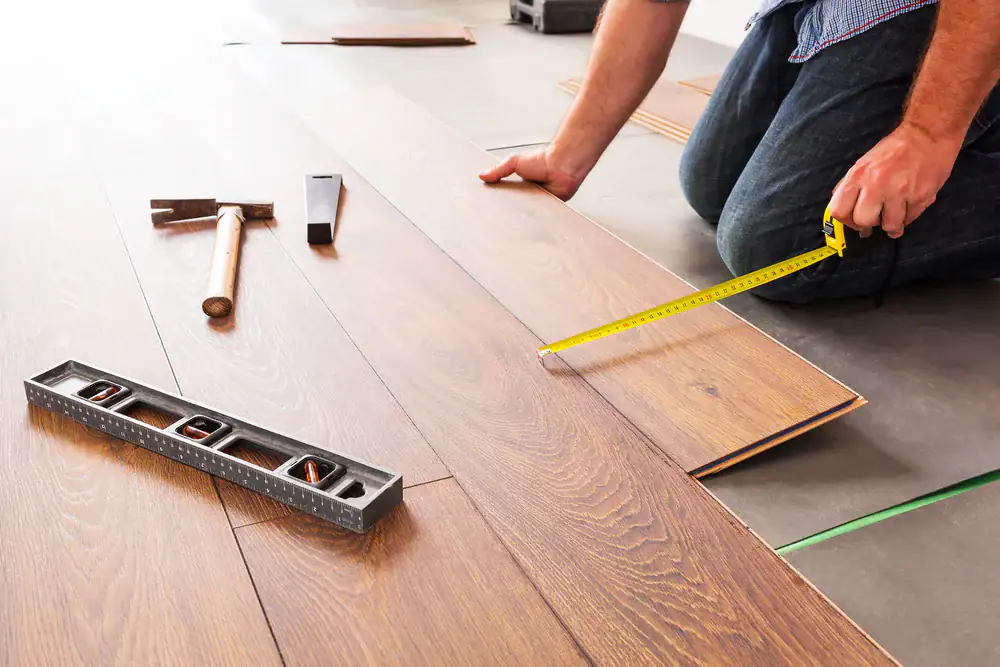
Professional Hardwood Floor Installation Services
Here’s what matters when you’re putting hardwood in your home: the installation has to be done right, or everything else falls apart. Gaps appear. Boards buckle. Moisture seeps in where it shouldn’t.
About 80% of wood floor problems trace back to moisture issues during or after installation. That’s not a small number. It’s the difference between floors that age gracefully and floors that need repair within five years.
When hardwood floor installation is handled correctly from day one, you’re looking at decades of performance. The subfloor gets prepped properly. Moisture barriers go down where they’re needed. Fasteners are placed right. The wood acclimates before it’s laid. These aren’t extras—they’re the baseline for work that holds up.
You don’t get callbacks. You don’t get squeaks six months later. You get floors that feel solid underfoot and look clean at the seams. That’s the outcome worth paying for.
Wood Flooring Contractor Serving Laurel, VA
We’ve been working in Virginia for over 20 years. We’re licensed, insured, and hold an A+ rating with the BBB. Most of our work comes from Richmond, Glen Allen, Henrico, and Chesterfield—but we’ve been serving Laurel homeowners for years.
Laurel sits in a region where humidity swings matter. Hardwood reacts to moisture, and if your installer doesn’t account for Virginia’s climate, you’ll see it in the finished floor. We account for it. Every time.
We’re not the cheapest option in the area, and that’s intentional. Cheap installations skip steps. They rush acclimation. They don’t prep subfloors correctly. We’ve seen the results, and so have the homeowners who call us to fix them. Our work is priced to reflect what it actually takes to install solid wood flooring the right way—so it stays that way.
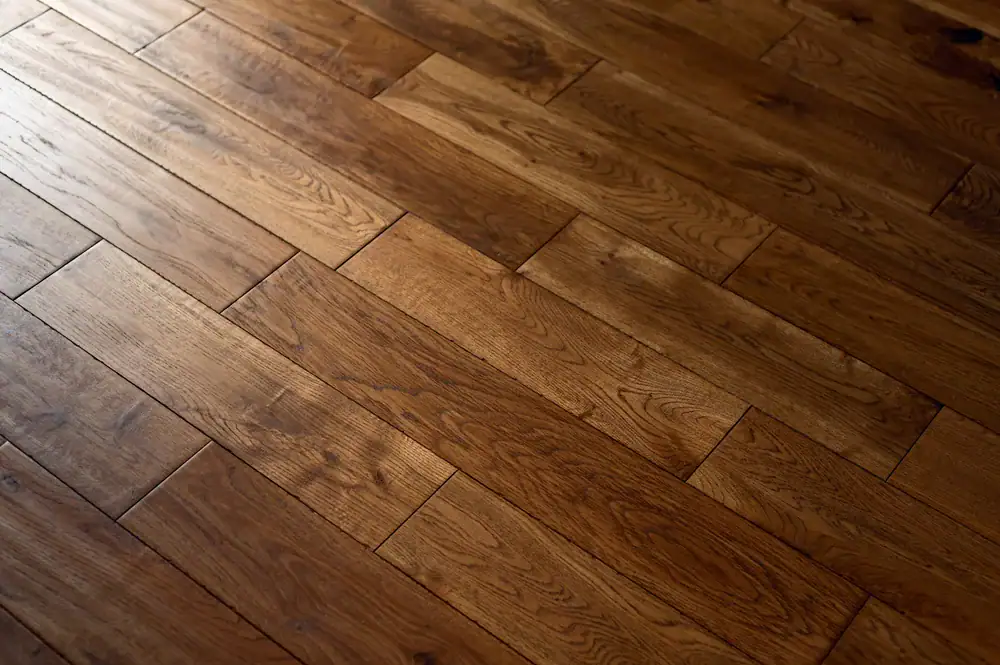
How We Install Hardwood Floors
First, we come out to assess your space. We’re checking subfloor condition, moisture levels, and whether your existing structure can handle the type of hardwood you want. If there’s an issue, we tell you before we start—not after.
Next, we prep the subfloor. This step gets skipped more than it should, but it’s critical. Any unevenness, squeaks, or weak spots get addressed here. We also install moisture barriers if your home needs them, which most in this area do.
Then the wood acclimates. Hardwood needs time to adjust to your home’s temperature and humidity before installation. Rushing this is one of the fastest ways to end up with gaps or warping later. We don’t rush it.
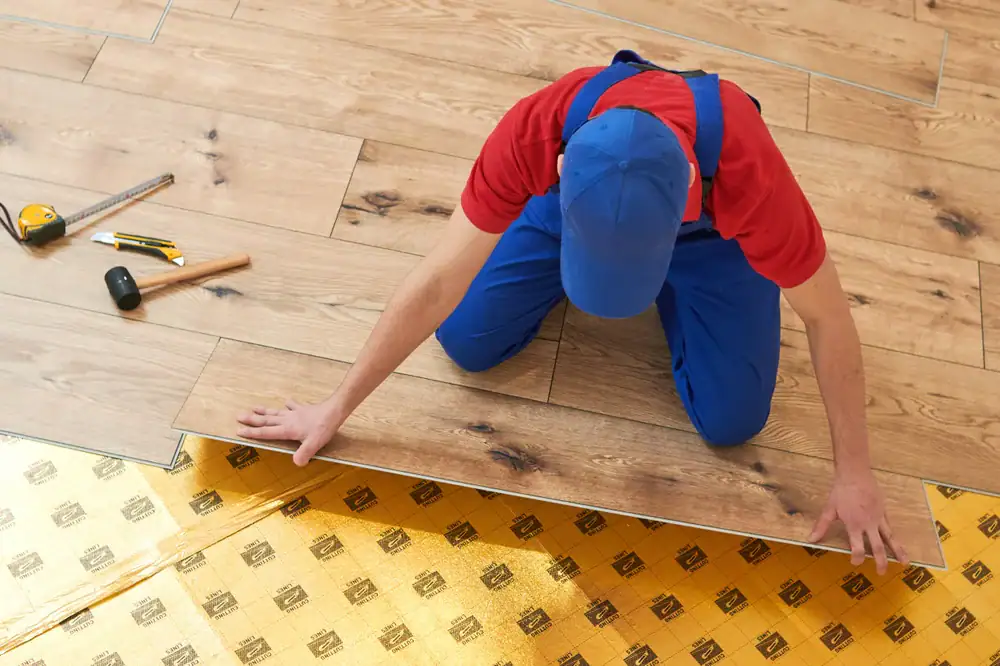
Installation itself is methodical. Boards are laid with proper spacing, fastened correctly, and checked as we go. We use dustless equipment, so your home stays clean throughout the process. Most installations wrap up in a day, but we’re not watching the clock—we’re watching the work.
After installation, we walk you through care and maintenance. Hardwood is durable, but it’s not indestructible. Knowing how to clean it and what to avoid makes a difference in how long it looks new.
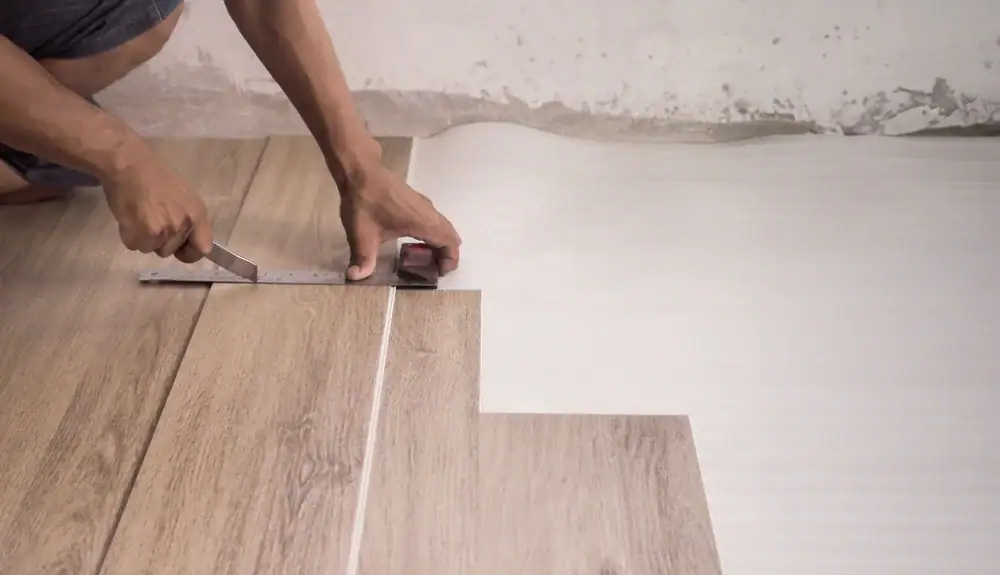
Hardwood Installation Options in Laurel
We install solid hardwood and engineered hardwood, depending on what works best for your home. Solid wood is the traditional choice—thick, durable, and refinishable multiple times over its life. Engineered hardwood has a real wood veneer over a plywood core, which makes it more stable in areas with moisture concerns.
For Laurel homes, engineered hardwood often makes sense in basements or spaces where humidity fluctuates. Solid hardwood works well on main floors and upper levels where climate control is consistent. We’ll recommend what fits your situation, not what’s easier for us to install.
Our installations include subfloor prep, moisture testing, acclimation time, professional installation with dustless equipment, and a walkthrough at the end. We also handle furniture moving if needed, though clearing the space beforehand speeds things up.
We use low-VOC finishes when applicable, and all our materials come from suppliers we’ve worked with for years. You’re not getting mystery wood from a discount warehouse. It’s quality material installed by people who’ve done this thousands of times.
Laurel homeowners tend to go with oak, maple, or hickory—all solid choices that hold up well in Virginia’s climate. Oak is the most common for good reason: it’s hard, it takes stain well, and it’s widely available. Maple is harder and lighter in color. Hickory is the hardest of the three and has more grain variation. We stock all of them.
How long does it take to install hardwood floors in a typical home?
Most residential installations finish in one day, assuming the space is prepped and the subfloor is in good shape. That’s for an average-sized room or main living area—roughly 500 to 800 square feet.
Larger projects or whole-home installations take longer. A 2,000-square-foot main floor might take two to three days depending on layout and whether we’re working around stairs, doorways, or built-ins. We’re not dragging it out, but we’re also not cutting corners to hit a deadline.
The timeline also depends on what’s happening before installation. If your subfloor needs repair or leveling, that adds time upfront. If we’re pulling up old flooring first, same thing. Acclimation time for the wood isn’t included in the installation day count—that happens before we start, and it usually takes three to five days depending on your home’s humidity levels.
What's the difference between solid wood and engineered hardwood, and which should I choose?
Solid hardwood is exactly what it sounds like—each plank is a single piece of wood, usually three-quarters of an inch thick. It can be sanded and refinished multiple times over its life, which is why it’s considered a 100-year floor. It’s the traditional choice and the most durable long-term option.
Engineered hardwood has a thin layer of real wood on top of a plywood base. It’s more stable in areas where moisture and temperature fluctuate because the layered construction resists expansion and contraction better than solid wood. It can still be refinished, but only once or twice depending on the thickness of the top veneer.
For most main-level living spaces in Laurel, solid hardwood works well. For basements, kitchens, or areas where humidity is harder to control, engineered hardwood is the smarter pick. It’s not about one being better—it’s about what fits your home’s conditions. We’ll test moisture levels and recommend what makes sense for your specific space.
How much does professional hardwood floor installation cost in Laurel?
Installation costs typically run between $6 and $12 per square foot, depending on the type of wood, the condition of your subfloor, and the complexity of the layout. That includes labor and materials. A 500-square-foot room usually falls in the $3,000 to $6,000 range.
Solid hardwood tends to cost more than engineered, and exotic species cost more than domestic options like oak or maple. If your subfloor needs leveling or repair, that’s an additional cost. Same goes for removing old flooring or moving heavy furniture.
We don’t give quotes over the phone because every home is different. Subfloor condition matters. Moisture levels matter. Room layout and transitions matter. We come out, assess the space, and give you a written estimate that reflects what your project actually requires. No surprises later, no change orders unless you change the scope. The price we quote is the price you pay.
Will hardwood floor installation create a lot of dust in my home?
Not with our equipment. We use dustless installation systems that contain debris at the source. There’s no dust cloud, no film settling on your furniture, and no need to cover everything in plastic.
Traditional installations can create a mess—sanding and cutting wood generates fine particles that get everywhere. Our equipment captures that before it becomes airborne. Most clients are surprised by how clean the process is compared to what they expected.
That said, there’s still some noise and activity. We’re bringing tools and materials into your home, cutting boards to fit, and fastening them down. It’s not silent. But it’s controlled, and when we’re done, we clean up completely. You’re not left vacuuming sawdust out of vents for the next month.
How do I know if my subfloor is ready for hardwood installation?
Your subfloor needs to be clean, dry, level, and structurally sound. If it’s not, the hardwood won’t perform the way it should. Squeaks, gaps, and buckling usually trace back to subfloor issues that weren’t addressed before installation.
We check for levelness using a straight edge and measure moisture content with a meter. Wood subfloors should be below 12% moisture, and concrete slabs should be below 3 pounds per 1,000 square feet using a calcium chloride test. If your subfloor is outside those ranges, we’ll need to address it before laying hardwood.
Common subfloor problems include sagging joists, loose plywood, old adhesive residue, or moisture intrusion from below. These aren’t always visible until someone checks. We handle subfloor prep as part of the installation process when needed, but if there’s a structural issue—like a compromised joist—that’s a separate repair that needs to happen first. We’ll tell you upfront what’s required and why it matters.
How soon can I walk on my new hardwood floors after installation?
If we’re installing prefinished hardwood, you can walk on it immediately after installation. Prefinished boards come with the finish already applied at the factory, so there’s no drying time needed. You’re good to go as soon as we’re done.
If we’re installing unfinished hardwood and applying finish on-site, you’ll need to stay off the floors for at least 24 hours after the final coat. Full cure time is longer—usually about a week—but you can walk on them in socks after the first day. We recommend waiting three to five days before moving furniture back in.
Most of our installations use prefinished hardwood because it’s faster and the factory finish is more durable than anything applied on-site. But if you want a custom stain color or a specific sheen level, unfinished wood gives you more control. We’ll walk you through the trade-offs during your consultation so you know what to expect.