
Wood Floor Installers in Hylas, VA
Hardwood That Actually Survives Virginia's Humidity
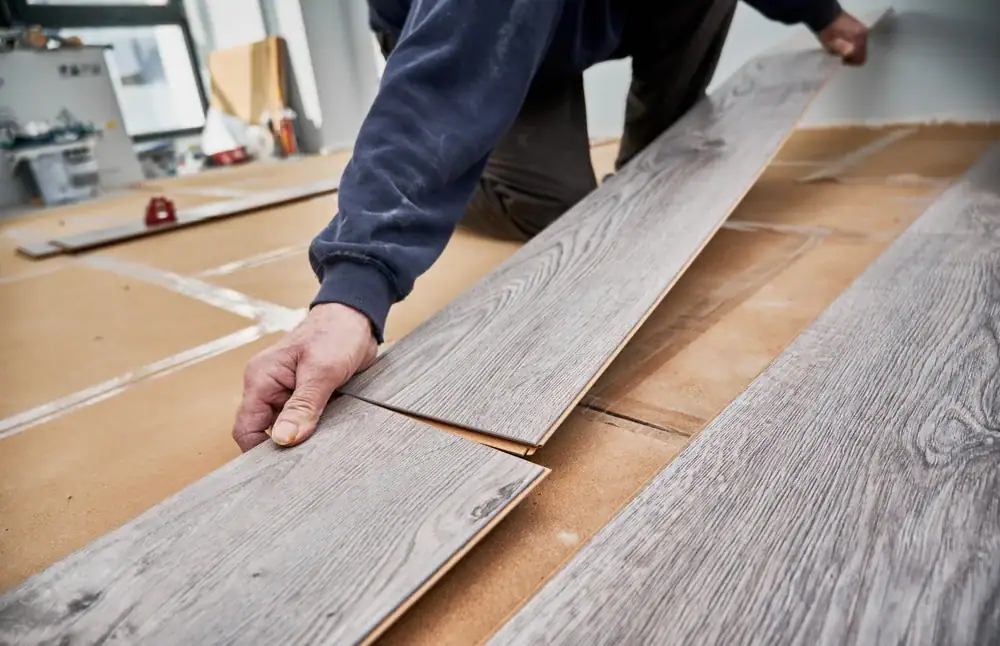
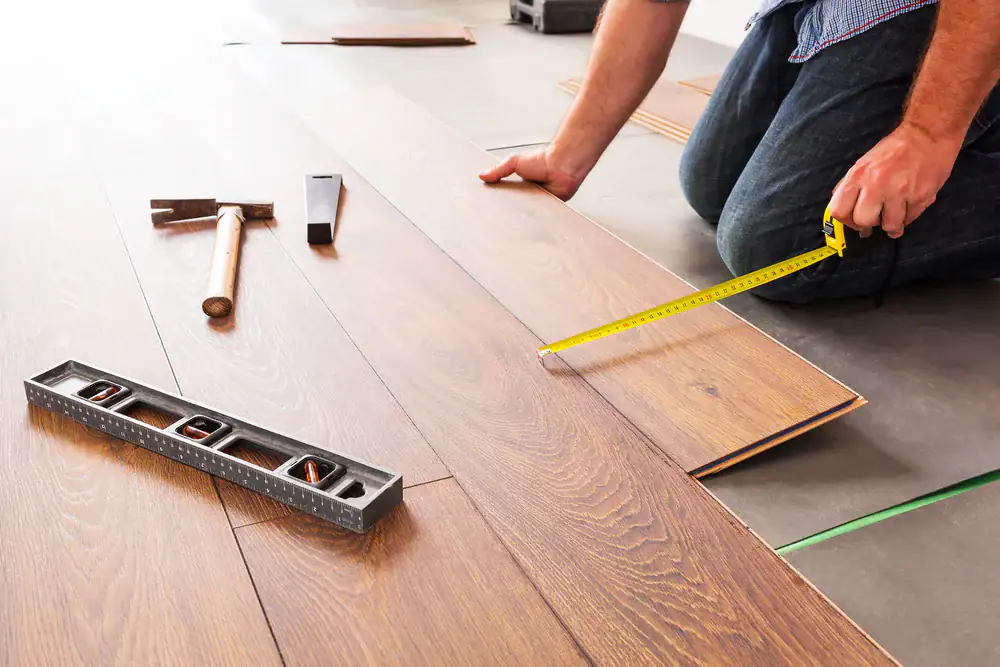
Hardwood Floor Installation in Hylas
You’re not just paying for wood on your subfloor. You’re paying for floors that won’t cup when July hits, won’t gap when you turn the heat on in January, and won’t need emergency repairs two years in.
Virginia’s climate does a number on hardwood. Humid summers make wood swell. Dry winters make it contract. If your installer doesn’t account for that, you’ll see it in the gaps, the creaking, and the repair bills.
We’ve been installing hardwood floors in the Richmond area for over 20 years. That means we know how white oak behaves differently than red oak in this climate. We know how long to let your wood acclimate before installation. We know which finishes hold up and which ones don’t. You get floors that perform the way they’re supposed to, year after year.
Wood Flooring Contractor Serving Hylas
Buff and Coat Floor Refinishing has been serving homeowners in Hylas, Richmond, and the surrounding areas for more than two decades. We’re not a franchise. We’re not a crew that showed up last year. We’re local wood flooring contractors who’ve seen what works and what fails in Virginia homes.
Our focus is hardwood. Not tile, not luxury vinyl, not whatever’s trendy this month. Just hardwood floor installation, refinishing, and repair. That narrow focus means we’ve gotten really good at it.
We use dust-free installation methods, we stand behind our work with real warranties, and we don’t leave until the floor looks the way it should. Hylas homeowners call us because they want it done right the first time.
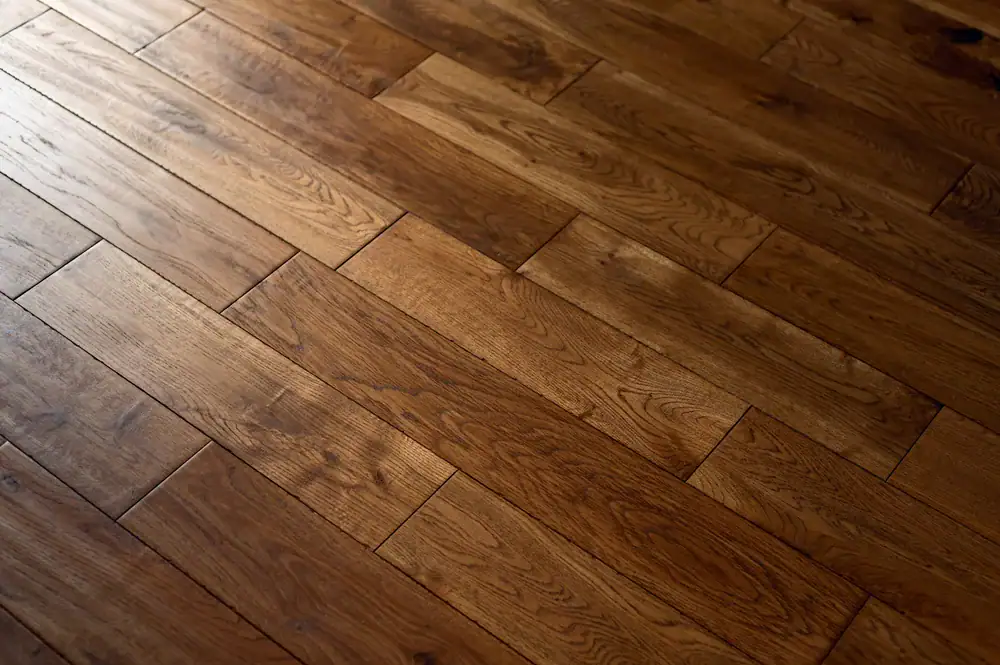
Our Hardwood Installation Process
First, we assess your subfloor. If it’s not level or if there’s moisture, we address it before any wood goes down. Skipping this step is how floors fail early.
Next, we bring your hardwood into your home and let it acclimate for 7 to 10 days. This lets the wood adjust to your home’s humidity and temperature. It’s not fast, but it prevents the warping and gapping that happen when installers rush.
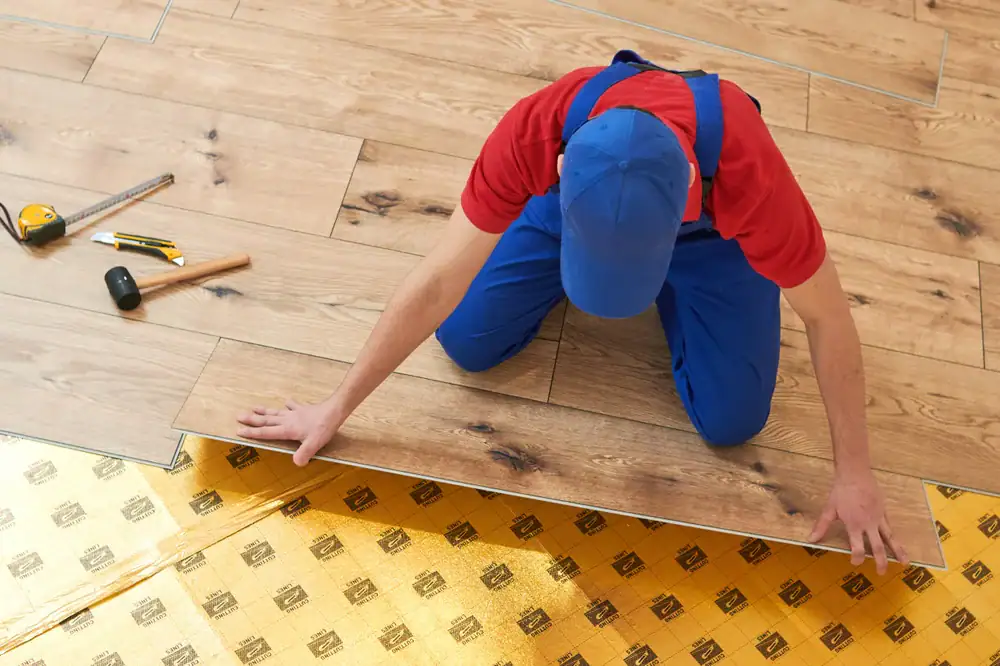
Then we install. We account for expansion gaps, use the right fasteners for your subfloor type, and make sure every plank is seated correctly. If you’ve chosen a finish, we apply it with dustless equipment that captures 99% of airborne particles. Your home stays clean.
After installation, we walk you through care and maintenance. You’ll know what to watch for, how to clean your floors, and when to call us for a buff and coat to keep them looking new. Most projects wrap in a few days, and you’re left with hardwood that’s built to last.
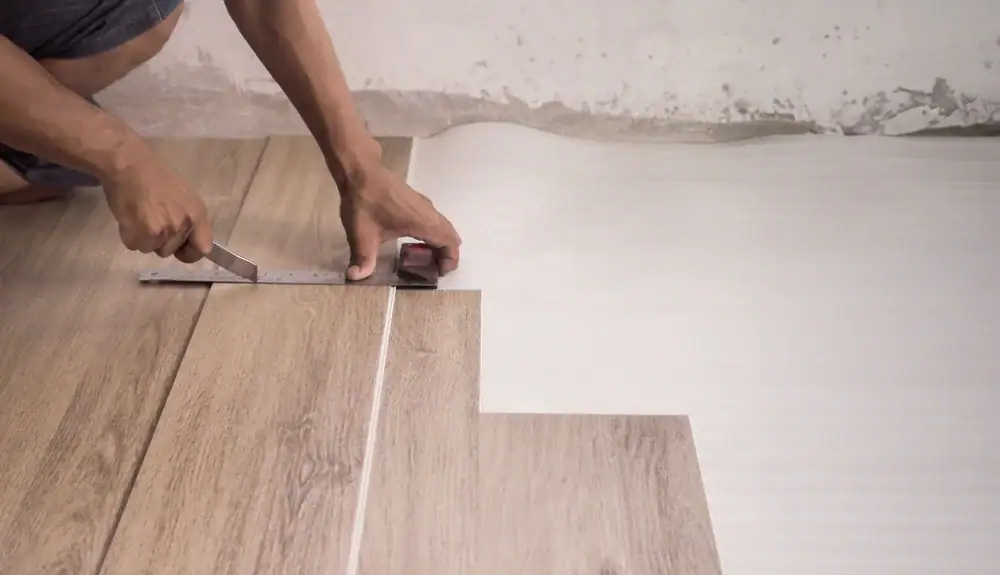
Solid Wood Flooring Installers Near Hylas
You get an honest assessment of whether solid or engineered hardwood makes more sense for your space. Solid hardwood is classic and can be refinished multiple times. Engineered hardwood is more stable in moisture-prone areas like basements or kitchens. We’ll tell you which one fits your situation.
You get proper acclimation. We don’t show up and start nailing down wood the same day. Your flooring sits in your home for over a week so it adjusts to the environment. This is how you avoid the seasonal problems that plague poorly installed floors in Virginia.
You get dust-free installation. Our equipment keeps your home clean while we work. No coating of dust on your furniture, no grit in your HVAC system.
You also get a team that knows Hylas and the surrounding areas. We understand how homes here are built, what subfloor issues are common, and how the local climate affects hardwood over time. That local knowledge means fewer surprises and better results. We’re licensed, insured, and we back our work with warranties that actually mean something.
How long does hardwood floor installation take in a typical home?
Most installations take three to five days once the wood has acclimated. That acclimation period adds another 7 to 10 days before we start, but it’s not time wasted. It’s time that prevents your floors from warping or gapping later.
The actual install timeline depends on square footage, the complexity of your layout, and whether you’re adding custom borders or inlays. A straightforward 1,000-square-foot installation usually wraps in three days. Larger homes or spaces with lots of cuts and transitions take longer.
If you’re applying finish on-site, add another day or two for drying time between coats. We don’t rush finishes. A poorly cured finish will scratch and wear faster, and that defeats the purpose of installing quality hardwood in the first place.
What's the difference between solid and engineered hardwood for Virginia homes?
Solid hardwood is exactly what it sounds like: planks milled from a single piece of wood. It can be sanded and refinished multiple times over its life, which makes it a long-term investment. The downside is that it’s more reactive to humidity changes, so it requires careful installation and climate control in your home.
Engineered hardwood has a real wood veneer on top of a layered core. That core makes it more dimensionally stable, meaning it handles moisture and temperature swings better than solid wood. It’s a smart choice for basements, kitchens, or homes where humidity control is inconsistent.
In Virginia, both can work well if installed correctly. The key is acclimation and proper installation techniques. We help you decide based on your space, your subfloor, and how you use the room. There’s no one-size-fits-all answer, and anyone who tells you otherwise isn’t paying attention to your specific situation.
Will my hardwood floors buckle or gap in Virginia's climate?
They can, but only if they’re installed wrong. Virginia’s humid summers and dry winters create seasonal movement in hardwood. Wood expands when it absorbs moisture and contracts when it dries out. That’s just physics.
The way to prevent problems is proper acclimation before installation and leaving the right expansion gaps around the perimeter of the room. If your installer skips acclimation or doesn’t account for seasonal movement, you’ll see buckling in summer and gaps in winter.
We take Virginia’s climate seriously. Your wood sits in your home for over a week before installation so it reaches equilibrium with your indoor environment. We also make sure your HVAC system is running during acclimation so the wood adjusts to your normal living conditions, not some temporary state. This is how you get floors that stay flat and tight year-round.
How do I know if my subfloor is ready for hardwood installation?
Your subfloor needs to be clean, dry, level, and structurally sound. If it’s not, your hardwood won’t perform well no matter how good the installation is. We check all of this before any wood gets delivered.
Moisture is the biggest issue. We test your subfloor with a moisture meter to make sure it’s within acceptable limits. Concrete subfloors are especially prone to moisture problems, and if the readings are too high, we’ll recommend a moisture barrier or delay installation until the issue is resolved.
Level matters too. If your subfloor has dips or humps, your hardwood will telegraph those imperfections. We’ll sand down high spots and use leveling compound on low areas. It’s not glamorous work, but it’s the difference between floors that feel solid underfoot and floors that bounce or creak. We handle all of this during the prep phase so you don’t have problems later.
Can you match new hardwood to my existing floors?
Usually, yes, but it depends on the species, age, and finish of your current floors. If you’re adding onto a room or replacing a damaged section, we’ll do our best to source matching wood and blend it with your existing flooring.
Wood species is the starting point. If you have red oak, we’ll use red oak. If it’s white oak or hickory, same thing. The challenge is matching the color and finish, especially if your existing floors have aged or been refinished before.
Sometimes a perfect match isn’t possible, and in those cases, we’ll talk through your options. You might refinish the entire space so everything matches. Or we can create a transition that looks intentional, like a border or a change in plank direction. We’ve done this enough times to know what works visually and what doesn’t. You won’t be left guessing.
Do you offer dustless sanding and finishing for new installations?
Yes. Our dustless system captures 99% of the dust created during sanding and finishing. That means your home stays cleaner, your air quality doesn’t tank, and you’re not wiping down surfaces for weeks after we leave.
Traditional sanding creates a mess. Dust gets everywhere: in your vents, on your counters, in your cabinets. Even with tarps and barriers, it’s invasive. Our equipment uses industrial vacuums that pull dust directly from the sander before it becomes airborne.
This matters for new installations if you’re applying finish on-site. We sand between coats to ensure a smooth surface, and that sanding would normally create dust. With our system, it doesn’t. You get a cleaner process and a better finish. It’s standard for us, not an upcharge, because we think it’s the only way to do the job right in an occupied home.