
Wood Floor Installers in Henry Clay Heights, VA
Hardwood Floors That Last Generations, Not Just Years
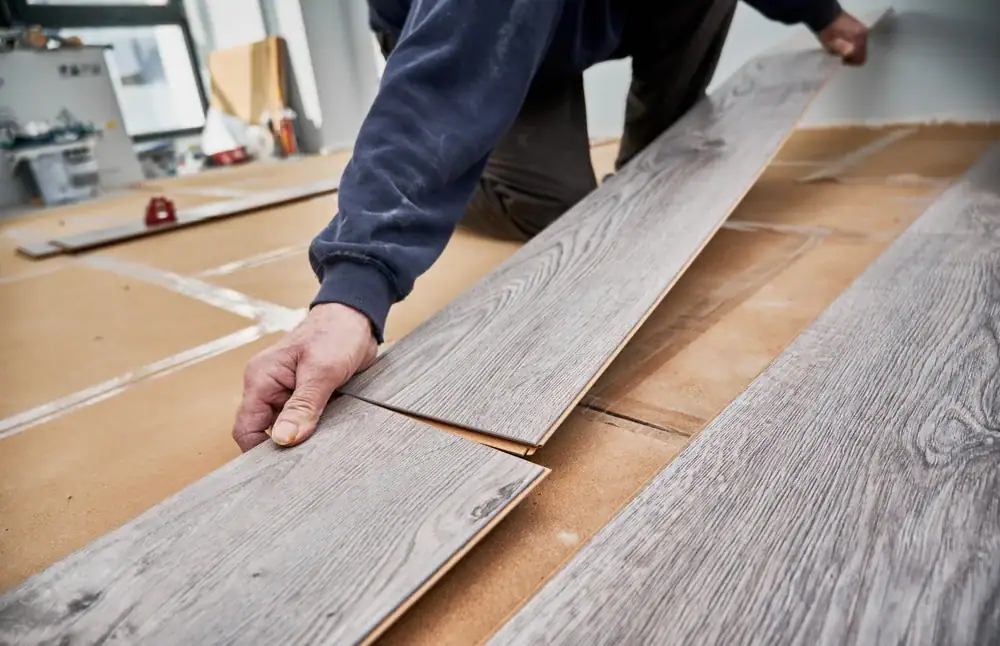
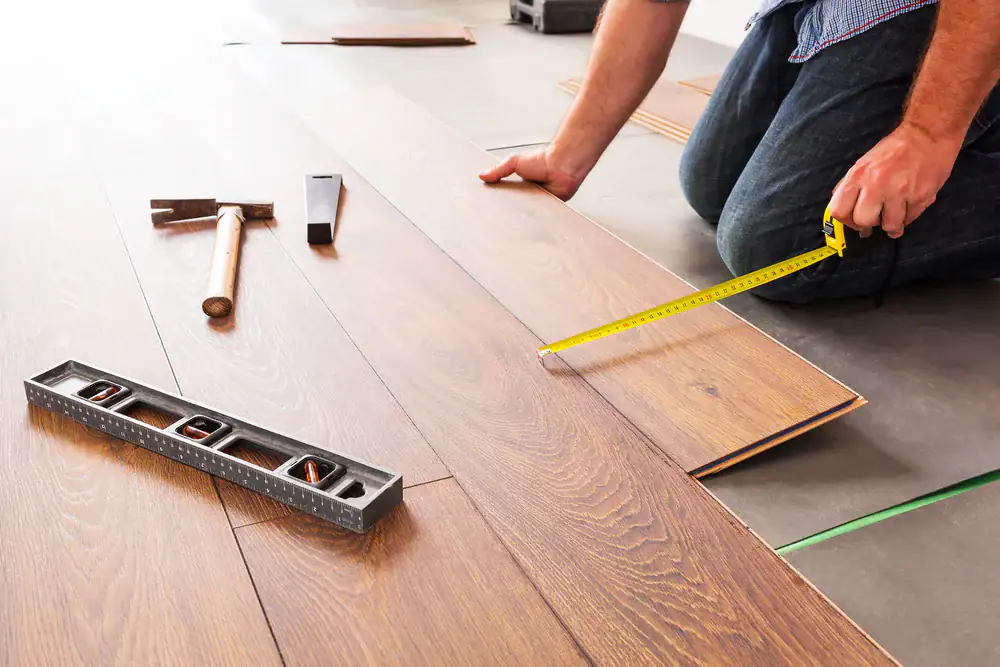
Professional Hardwood Floor Installation Services
You’re not just getting wood nailed to your subfloor. You’re getting floors that understand Virginia’s seasonal swings—the humid summers, the dry winters, and everything in between.
Most installation problems show up six months later. Gaps that weren’t there before. Boards that cup or crown. Floors that creak in places they shouldn’t. That’s what happens when installers skip acclimation, rush subfloor prep, or don’t account for expansion.
We’ve been installing hardwood floors in the Richmond area for over 20 years. We know how wood behaves in Henry Clay Heights homes. We know the difference between engineered and solid hardwood in your climate. And we know that proper installation means your floors will look as good in 10 years as they do the day we finish.
Your home value increases the moment quality hardwood goes in. But only if it’s done right. That means level subfloors, proper moisture barriers, correct expansion gaps, and wood that’s been acclimated to your home’s environment. Skip any of that, and you’re setting yourself up for expensive repairs.
Experienced Wood Flooring Contractor Near You
Buff and Coat Floor Refinishing has been serving Henry Clay Heights and the greater Richmond area since the early 2000s. David Emmerling started this company because he saw too many homeowners getting burned by contractors who didn’t understand hardwood or didn’t care enough to do it right.
We’re not a franchise. We’re not flippers trying to get in and out. We’re a local wood flooring contractor that’s built our reputation one floor at a time in Mechanicsville, Glen Allen, Chesterfield, and Midlothian.
The homes in Henry Clay Heights—many valued well above $400,000—deserve installers who understand what they’re working with. We’ve installed everything from traditional oak to wide-plank hickory, and we’ve refinished floors in homes that are decades old. That experience matters when you’re trusting someone with a significant investment in your home.
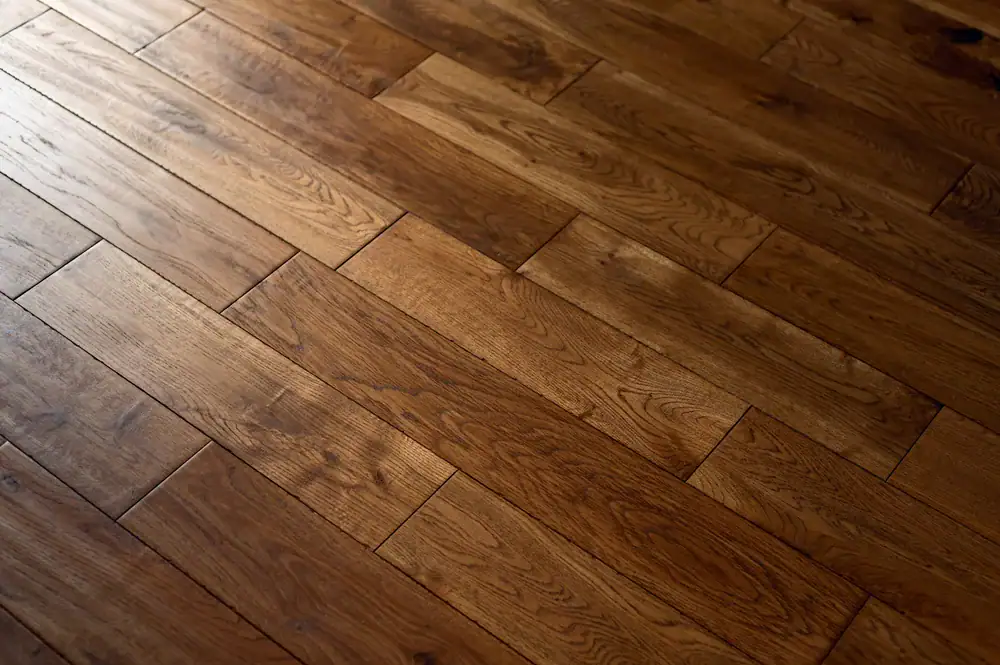
Our Hardwood Floor Installation Process
First, we assess your subfloor. Not every subfloor is ready for hardwood, and we’re not going to install over one that isn’t. We check for level, moisture content, and structural integrity. If there’s an issue, we tell you before we start, not after.
Next, the wood gets delivered to your home and sits there. This isn’t us being slow—it’s acclimation. Your wood needs to adjust to your home’s temperature and humidity levels. Rush this, and you’ll have problems later. We typically let it acclimate for 3-7 days depending on the species and your home’s conditions.
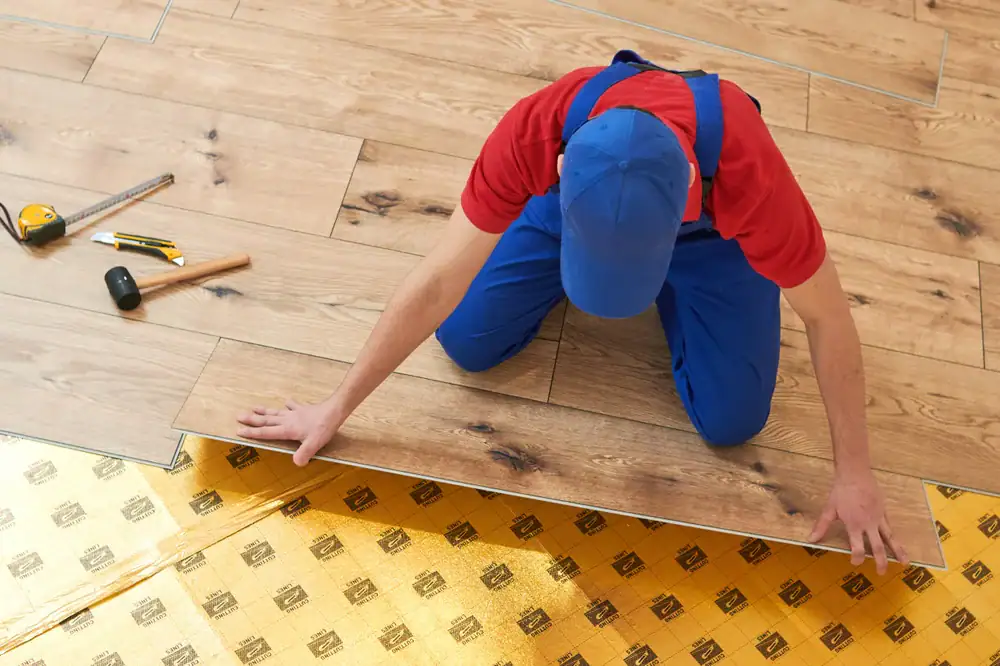
Installation day starts with subfloor prep. We make sure everything is clean, level, and ready. Then we install moisture barriers if needed, especially for homes with crawl spaces or concrete slabs. The actual installation follows manufacturer specs for your specific wood type—proper spacing, correct fasteners, and the right expansion gaps around walls and transitions.
We use dust-free equipment that captures about 95% of sanding dust if your floors need any final smoothing. This isn’t just about keeping your home cleaner—it’s about doing the job right without leaving you with a week of cleanup. Final inspection happens with you, not without you. We walk through everything, answer questions, and make sure you know how to care for your new floors.
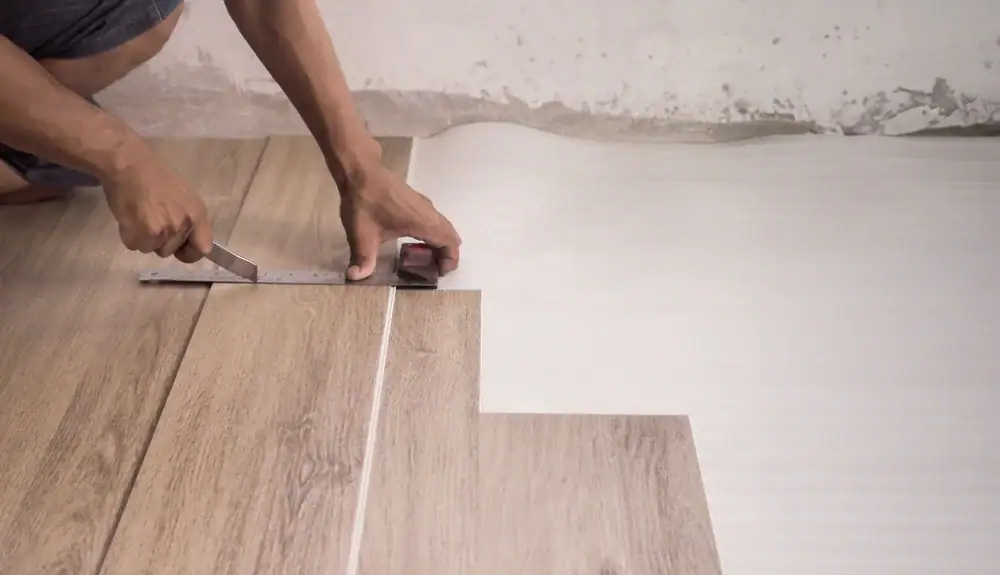
Hardwood Flooring Options for Henry Clay Heights
Henry Clay Heights homeowners typically choose between solid hardwood and engineered wood flooring. Solid hardwood—oak, maple, hickory—can last over 100 years and be refinished multiple times. It’s the traditional choice and still dominates about 40% of installations. Oak remains the most popular because it’s durable, takes stain well, and fits most home styles.
Engineered hardwood works better in basements or over concrete slabs where moisture is a concern. It’s real wood on top with a plywood base, so it handles humidity changes better than solid wood. You can refinish it, just not as many times. It typically lasts 20-80 years depending on the wear layer thickness.
Wide plank flooring—5, 7, or even 10+ inches—continues to be the preferred choice in 2025. It makes rooms look larger and shows off the wood grain better. The trend has shifted away from gray tones back toward natural, warm colors. Homeowners want wood that looks like wood again, not something trying to be modern for modern’s sake.
We also handle floor refinishing services for existing hardwood that’s worn, scratched, or just outdated. Sometimes the best floor is the one already under your carpet. Richmond area homes built in the 70s, 80s, and 90s often have solid oak underneath that just needs refinishing. That’s almost always more cost-effective than installing new, and you keep the character of original hardwood.
How long does hardwood floor installation take in a typical home?
Most installations take 3-5 days for an average-sized home, but that doesn’t include acclimation time. The wood needs to sit in your home for at least 3-7 days before we install it. This lets it adjust to your home’s humidity and temperature levels.
Actual installation time depends on square footage, the complexity of your layout, and whether we’re working around stairs, transitions, or custom borders. A straightforward 1,000 square foot main level might take 2-3 days. Add in multiple rooms, hallways, closets, and thresholds, and it extends.
If we’re also doing subfloor repairs or leveling, that adds time upfront. Same with removing old flooring or carpet. We’d rather give you a realistic timeline than rush the job and compromise quality. Most homeowners plan to be out of the space during installation, though it’s not always necessary depending on your home’s layout.
What's the difference between solid and engineered hardwood for my home?
Solid hardwood is exactly what it sounds like—a solid piece of wood from top to bottom, usually 3/4 inch thick. It can be sanded and refinished multiple times over its life, which can span 100+ years. It’s the traditional choice and works great on wooden subfloors above grade.
Engineered hardwood has a real wood veneer on top with a plywood or HDF core underneath. The layered construction makes it more stable in humid environments, which is why it’s often recommended for basements or installations over concrete. You can refinish it, but only 1-3 times depending on how thick the top veneer is.
For Henry Clay Heights homes with standard wooden subfloors, solid hardwood usually makes more sense long-term. It costs more upfront but lasts longer and can be refinished more times. Engineered works better in moisture-prone areas or if you’re installing over a concrete slab. Neither is “better”—they’re just suited for different situations. We’ll recommend what actually makes sense for your specific home and subfloor conditions.
Will the installation process create a lot of dust in my home?
We use dust-free sanding equipment that captures about 95% of airborne dust during the finishing process. This is a huge difference from traditional sanding methods that leave fine dust on every surface in your home.
The dust-free system uses a vacuum attachment connected directly to the sander. As we work, it pulls the dust into a containment system before it becomes airborne. You’ll still want to protect furniture and close off the work area, but you won’t be cleaning dust out of your vents and cabinets for weeks afterward.
Installation itself—nailing or gluing down boards—doesn’t create much dust. The dust comes from sanding the floor smooth after installation and between finish coats. Our equipment handles that part. If we’re refinishing existing floors rather than installing new ones, the dust containment becomes even more important since we’re sanding the entire surface. Either way, we’re set up to minimize the mess and disruption to your home.
How much does professional hardwood floor installation cost in this area?
Professional hardwood floor installation in the Richmond area typically runs $6-12 per square foot for labor, plus materials. Solid oak flooring might cost $3-8 per square foot for the wood itself. Higher-end species like hickory or wide-plank options cost more.
That means a 1,000 square foot installation might range from $9,000 to $20,000 depending on wood choice, subfloor condition, and job complexity. Engineered hardwood can be slightly less expensive, but not always—it depends on the quality and thickness of the wear layer.
These numbers assume your subfloor is in good condition. If we need to level it, repair joists, or address moisture issues, that’s additional. Same with removing existing flooring, moving furniture, or complex layouts with lots of cuts and transitions. We provide detailed estimates after seeing your specific situation. The investment makes sense when you consider hardwood floors can increase your home value by 2-5% and last decades with proper care. It’s one of the few home improvements with a 70-80% return on investment.
Do I need to leave my home during the installation process?
You don’t have to leave, but most homeowners choose to stay elsewhere for at least part of the process. The main reason is access—we need clear workspace, and it’s disruptive to have installers working in your main living areas for several days.
The bigger issue is the finish. Once we apply polyurethane or oil-based finishes, those areas need to cure without foot traffic. Water-based finishes dry faster and have less odor, but you still can’t walk on them for at least 24 hours. Oil-based finishes smell stronger and take longer to cure—sometimes 3-5 days before you can move furniture back.
If we’re only doing one or two rooms and you can close them off completely, staying home might work. But if we’re doing your main level or areas you need to access daily, it’s easier to stay with family or get a hotel for a few days. We’ll give you a clear timeline during the estimate so you can plan accordingly. The finish needs time to cure properly—rushing that process leads to scuffs, dents, and premature wear.
What type of wood flooring works best for high-traffic areas?
Oak and hickory are your best options for high-traffic areas like entryways, hallways, and kitchens. Oak is the most common choice because it’s hard enough to resist denting but not so hard that it’s difficult to work with. It’s rated around 1,290 on the Janka hardness scale.
Hickory is even harder at 1,820 Janka. It handles heavy foot traffic, dropped objects, and pet claws better than most species. The tradeoff is more visible grain variation and a slightly rustic look that doesn’t fit every home’s style.
Maple sits in between at 1,450 Janka. It’s smooth, consistent, and takes lighter stains well if you want a more contemporary look. All three of these species hold up well in Henry Clay Heights homes with families, pets, and daily wear. The finish matters as much as the wood species—we typically recommend satin or matte polyurethane for high-traffic areas because it hides scratches better than high-gloss finishes. A good finish protects the wood and can be recoated every 5-10 years without a full refinishing job.
Other Services we provide in Henry Clay Heights