
Wood Floor Installers in Fine Creek Mills, VA
Hardwood Floors Installed Right the First Time
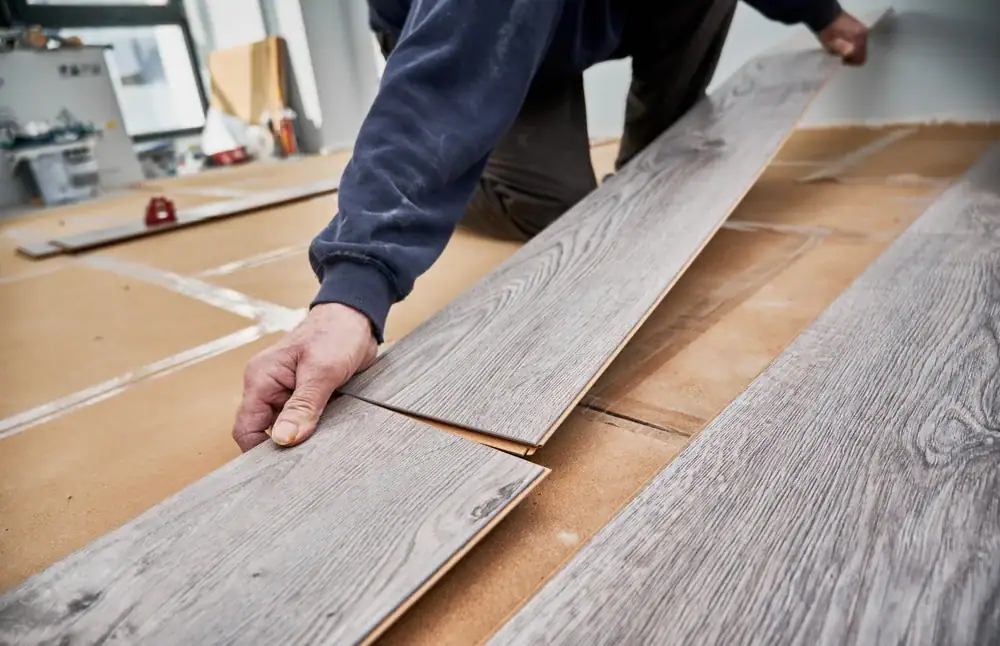
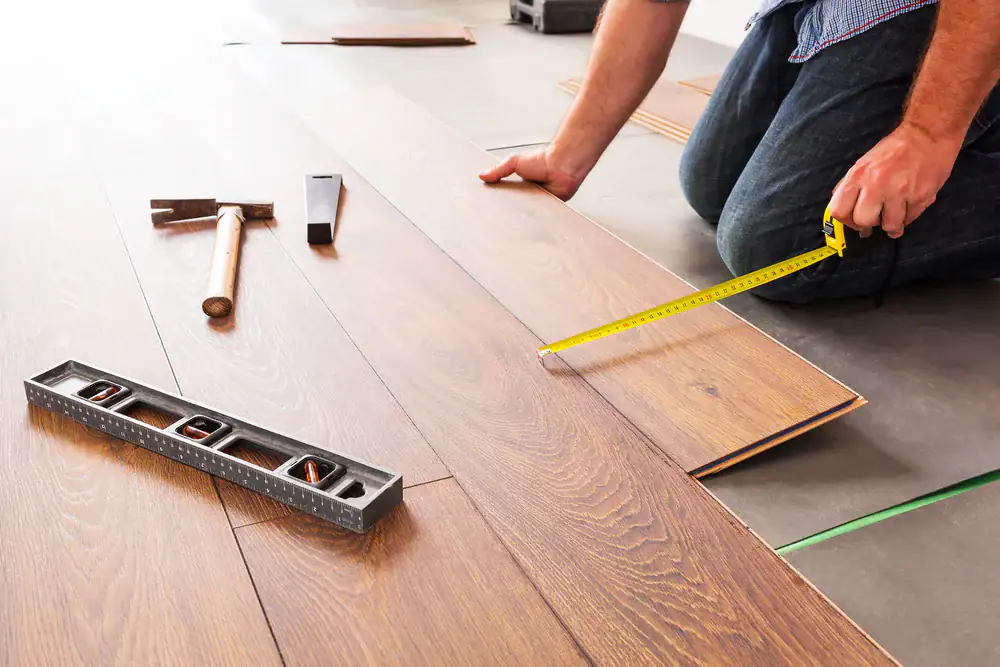
Hardwood Floor Installation Near Fine Creek Mills
Moisture is the number one reason hardwood floors fail. Not the wood itself—the installation. Virginia’s humidity swings from summer to winter put serious stress on flooring, and if your installer doesn’t account for that during prep, you’ll see gaps, cupping, or worse within a year.
Proper hardwood floor installation starts below the surface. We test moisture levels in your subfloor before a single plank goes down. We don’t guess. We don’t rush. And we don’t assume your subfloor is flat just because it looks fine.
What you get is a floor that moves with the seasons instead of fighting them. Wide planks that stay tight. Finishes that hold up under foot traffic, pets, and the everyday chaos of life in Powhatan County. The kind of floor that makes your home feel warmer the day it’s installed—and still looks that way a decade later.
Wood Flooring Contractor Serving Fine Creek Mills
We’ve been installing and refinishing hardwood floors in the Richmond area for over 20 years. That means we’ve seen what happens when installers skip moisture testing. We’ve fixed floors where the finish was applied too fast. And we’ve walked into plenty of homes where a “good deal” turned into an expensive redo.
Fine Creek Mills sits in a part of Virginia where homes have character. Older builds. Uneven subfloors. Real wood that deserves real care. We’re not the crew that shows up, slaps down some planks, and disappears. We’re the ones who prep your subfloor like it matters, because it does.
Licensed, insured, and local. If something goes wrong, we’re 20 minutes away—not three states over.
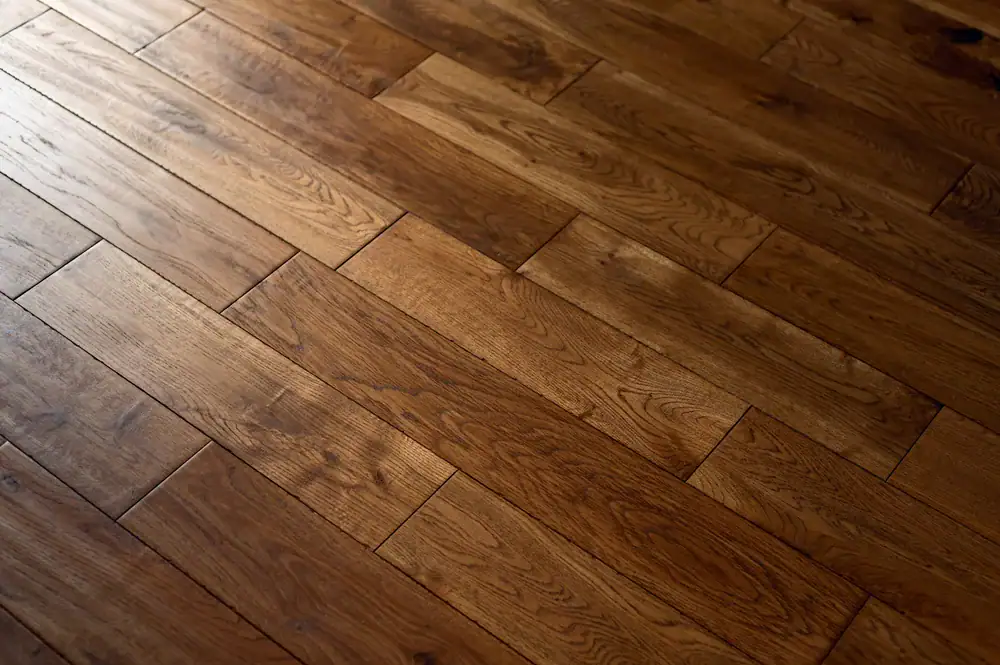
Our Hardwood Floor Installation Process
First, we assess your subfloor. Not with a glance—with a moisture meter and a straightedge. If it’s not flat and dry, the floor won’t perform. Period. We’ll tell you what needs fixing before we move forward.
Next, we acclimate the wood. Hardwood needs time to adjust to your home’s temperature and humidity before installation. Skipping this step is one of the fastest ways to end up with gaps or buckling. We don’t skip it.
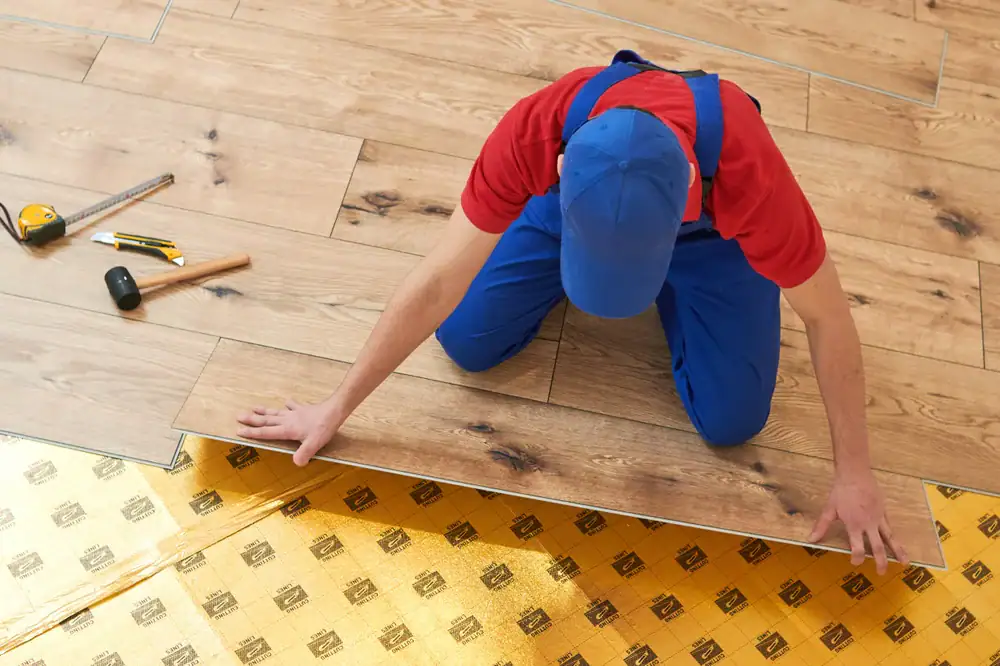
Then comes installation. We use dustless equipment, so you’re not living in a construction zone or worrying about particles settling into every corner of your house. Each plank is checked for fit and finish. Each row is secured properly. No gaps. No squeaks.
Finally, we apply the finish—if you’re going with unfinished hardwood. Multiple coats. Proper dry time between each one. We use Greenguard-certified products that won’t off-gas harmful chemicals into your home. When we’re done, the floor is ready to handle your life, not just look good in photos.
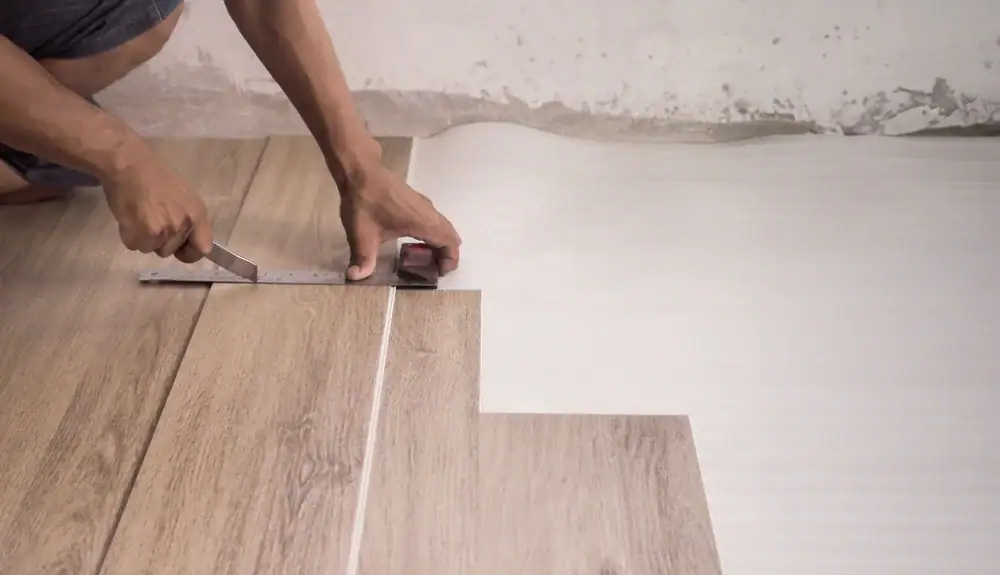
Solid Wood Flooring Installers in Powhatan County
Every hardwood floor installation includes subfloor inspection and moisture testing. This isn’t an upsell—it’s standard. If your subfloor isn’t ready, your floor won’t last, and we’d rather have that conversation upfront than after the fact.
You’ll also get access to professional-grade materials. We work with suppliers who stock wide-plank oak, hickory, walnut, and other species that aren’t sitting in a big-box warehouse. If you’re leaning toward the warm honey tones and natural finishes that are trending in 2026, we can source that. If you want something more traditional, we’ve got that too.
Fine Creek Mills homeowners are dealing with a housing market where well-maintained homes move faster and sell higher. Hardwood floors are one of the few upgrades that actually return value. According to real estate professionals, 90% say homes with wood floors sell faster and command better prices. That’s not marketing fluff—that’s market data.
We also handle the details most installers ignore. Transition strips that actually match. Baseboards that sit flush. Cleanup that doesn’t leave you with a week’s worth of dust. And if something needs refinishing down the road, we’re the same crew who’ll come back and do it.
How long does it take to install hardwood floors in a typical home?
Most installations take between three and five days, depending on square footage and the condition of your subfloor. If we need to level or repair the subfloor first, add another day or two. Rushing this part is where bad installations happen.
The actual plank installation is usually the fastest part. It’s the prep and finishing that take time. If you’re doing unfinished hardwood, expect an extra two to three days for sanding, staining, and sealing. Each coat of finish needs proper dry time, and cutting that short leaves you with a floor that scratches easily or looks uneven.
We’ll give you a timeline before we start, and we stick to it. No disappearing mid-job. No “we’ll be back next week” and then radio silence.
What's the difference between solid hardwood and engineered wood flooring?
Solid hardwood is exactly what it sounds like—planks milled from a single piece of wood, usually three-quarters of an inch thick. It can be sanded and refinished multiple times over its life, which in Virginia’s climate typically means 30 to 50 years if it’s installed correctly.
Engineered wood has a thin layer of real hardwood on top of a plywood base. It’s more stable in areas with moisture swings, which makes it a smart choice for basements or homes without climate control. But you can only refinish it once or twice before you hit the plywood.
Neither is “better”—it depends on where you’re installing and how long you plan to stay in the home. If you’re in a historic Fine Creek Mills property with a crawl space and no vapor barrier, engineered might save you headaches. If you’ve got a solid foundation and want a floor that’ll outlast your mortgage, solid hardwood is the move.
How do I know if my subfloor is ready for hardwood installation?
Your subfloor needs to be flat, dry, and structurally sound. Flat means no dips or humps greater than 3/16 of an inch over a 10-foot span. Dry means moisture content below 12% for wood subfloors. Structurally sound means no soft spots, rot, or squeaks that indicate loose joists.
We test all of this before installation. A moisture meter tells us if your subfloor is holding too much water—common in Virginia homes with crawl spaces or older HVAC systems. A straightedge shows us where the subfloor needs leveling compound. And a walk-through tells us if there are any areas that need reinforcement.
If your subfloor isn’t ready, we’ll tell you exactly what needs to happen and why. Most fixes are straightforward—adding a vapor barrier, screwing down loose plywood, pouring leveling compound. Skipping these steps is how you end up with floors that creak, cup, or separate at the seams.
Can you install hardwood over existing flooring, or does it need to be removed?
It depends on what’s there and what’s underneath it. Installing hardwood over old vinyl or laminate is possible if the subfloor beneath is solid and level, but it’s rarely the best choice. Every layer you add raises your floor height, which creates issues with door clearances, transitions, and appliances.
If you’ve got old hardwood that’s damaged beyond refinishing, we’ll usually remove it. Same with carpet—it has to come up, along with the padding and tack strips. Tile is trickier. If it’s well-adhered and flat, we can sometimes install over it, but most of the time removal gives you a better result.
The goal is a clean, stable surface. Anything that compromises that—loose boards, uneven layers, trapped moisture—needs to go. We’d rather spend an extra day on demo than install a floor that fails in two years because we tried to save time.
What type of finish should I choose for my hardwood floors?
Most homeowners in Fine Creek Mills go with polyurethane—either oil-based or water-based. Oil-based poly gives you a warm amber tone and serious durability, but it takes longer to cure and has a stronger odor during application. Water-based poly dries faster, has less smell, and keeps the wood’s natural color, but it costs a bit more.
If you want something more natural, we also offer hardwax oil finishes. They penetrate the wood instead of sitting on top, which gives you a matte look and makes repairs easier down the road. You can spot-fix a scratch without refinishing the whole floor. The tradeoff is that they need more maintenance—reapplication every few years depending on traffic.
For homes with kids, pets, or high foot traffic, we usually recommend water-based poly with an aluminum oxide additive. It’s the most scratch-resistant option we install, and it holds up better than anything else when life gets messy. All our finishes are Greenguard-certified, so you’re not breathing in harmful chemicals while they cure.
How much does professional hardwood floor installation cost in Fine Creek Mills?
Expect to pay between $8 and $15 per square foot for professional installation, depending on the wood species, finish, and subfloor condition. That includes labor, materials, and finishing. If your subfloor needs significant prep work—leveling, moisture barriers, or structural repairs—that’ll add to the cost.
Solid hardwood in popular species like red oak or maple sits on the lower end. Exotic woods like Brazilian cherry or wide-plank walnut push you toward the higher end. Engineered hardwood usually costs a bit less to install since it’s more forgiving on imperfect subfloors.
DIY might look cheaper on paper, but the tools alone—nailers, compressors, moisture meters, sanders—run into the thousands if you’re buying or renting. And if the installation goes wrong, fixing it costs more than hiring a pro from the start. We’ve redone plenty of DIY jobs where the homeowner spent twice what they would’ve paid us, plus weeks of frustration. Not worth it for most people.
Other Services we provide in Fine Creek Mills