
Wood Floor Installers in Farrington, VA
Floors That Last Without the Installation Nightmares
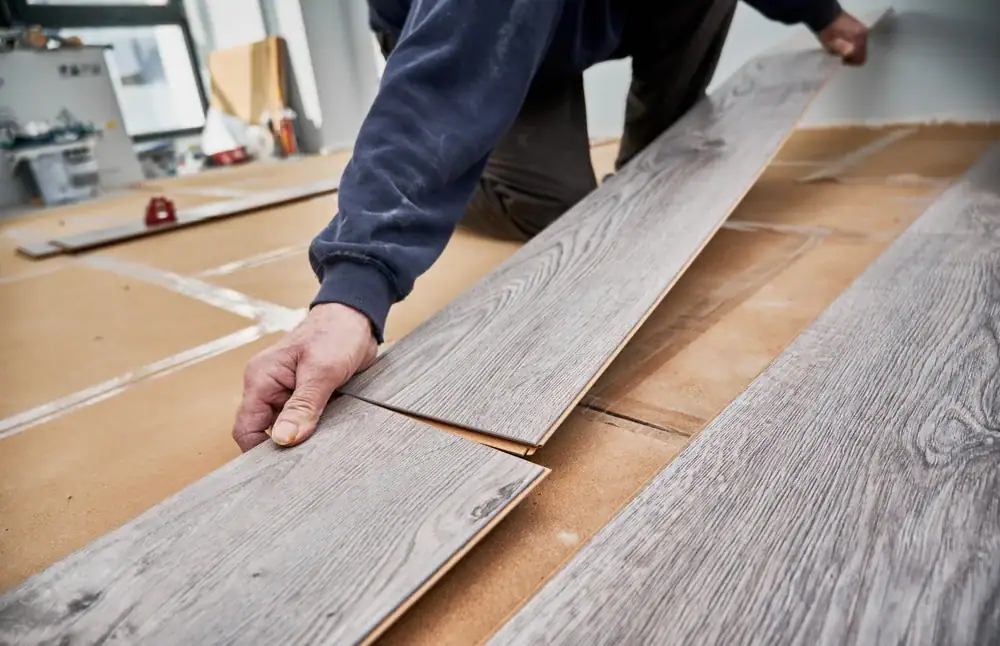
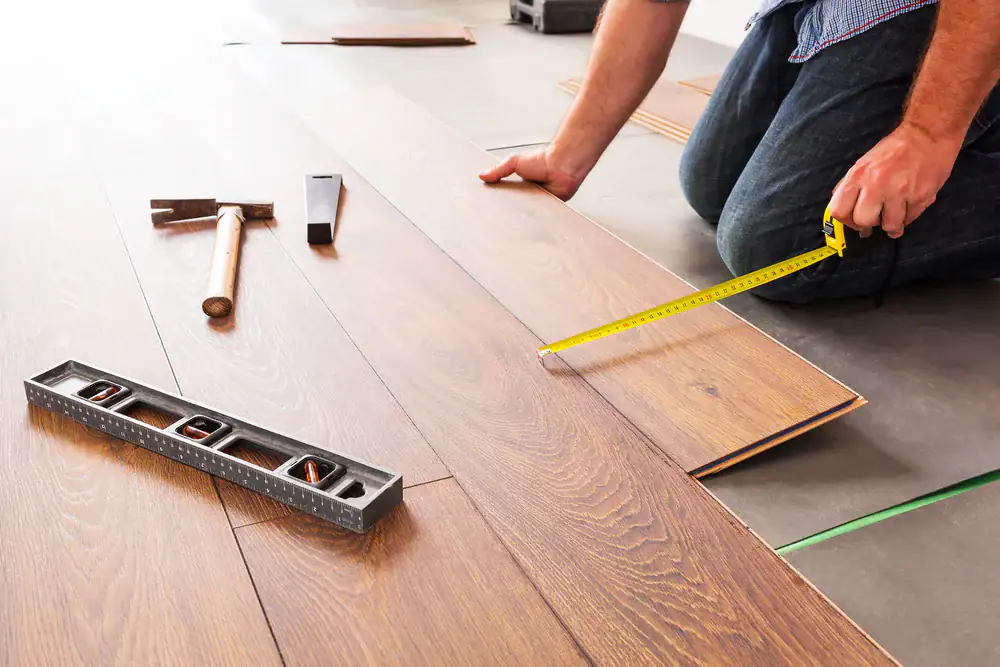
Hardwood Floor Installation in Farrington
You’re not just getting wood nailed to your subfloor. You’re getting floors that don’t squeak in six months. Planks that stay flat through Virginia’s humidity swings. Finish work that doesn’t show gaps when the seasons change.
Most installation problems show up later—not during the walk-through. That’s when you realize the contractor didn’t check moisture levels. Or skipped the subfloor prep. Or rushed the acclimation period because they had another job lined up.
Proper installation means your floors stay quiet underfoot. The finish wears evenly. You’re not calling someone back in a year because boards are cupping or the whole floor feels spongy in spots.
Wood Flooring Contractor Serving Farrington
We’ve been installing and refinishing hardwood floors across Virginia for over 20 years. That’s long enough to see what holds up and what doesn’t in this climate.
Farrington homes deal with the same moisture and temperature shifts as the rest of the region. Your floors need to handle humid summers and dry winters without warping or separating. We’ve worked in enough homes here to know what preparation actually matters and what’s just extra billing.
Licensed through the Virginia Board for Contractors. Insured. BBB accredited with an A+ rating. We’re not new to this, and we’re not learning on your project.
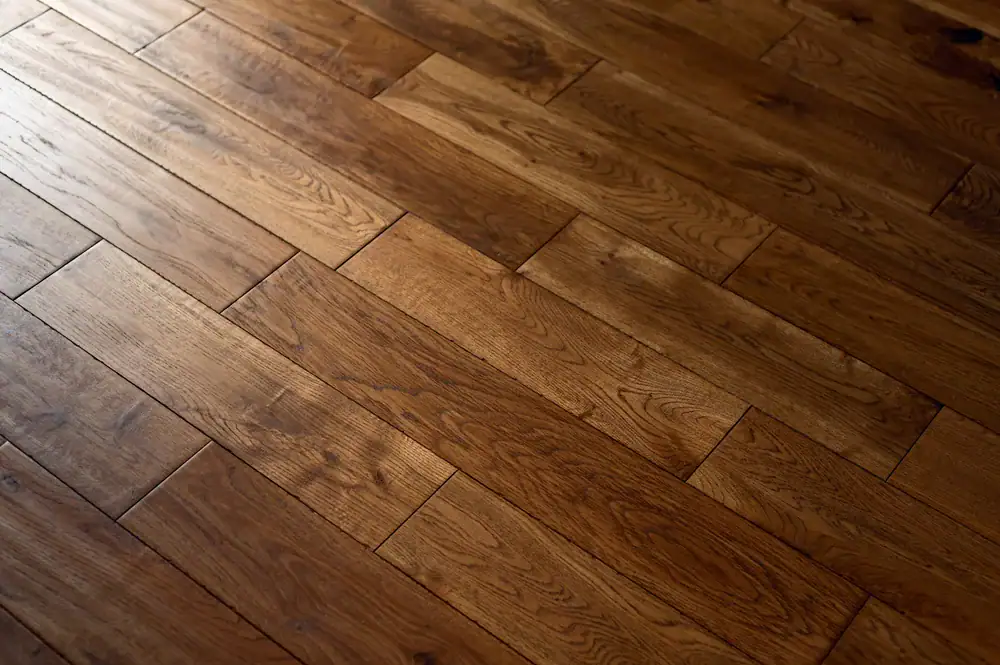
Our Hardwood Floor Installation Process
First, we check your subfloor. Not a quick glance—actual measurements with a moisture meter. Your subfloor needs to be clean, flat, and dry before any wood goes down. If it’s not, we tell you what needs fixing before we start.
Next, your hardwood needs to acclimate. That means it sits in your home for days, adjusting to your specific humidity and temperature. Skipping this step is how you end up with gaps or buckling later.
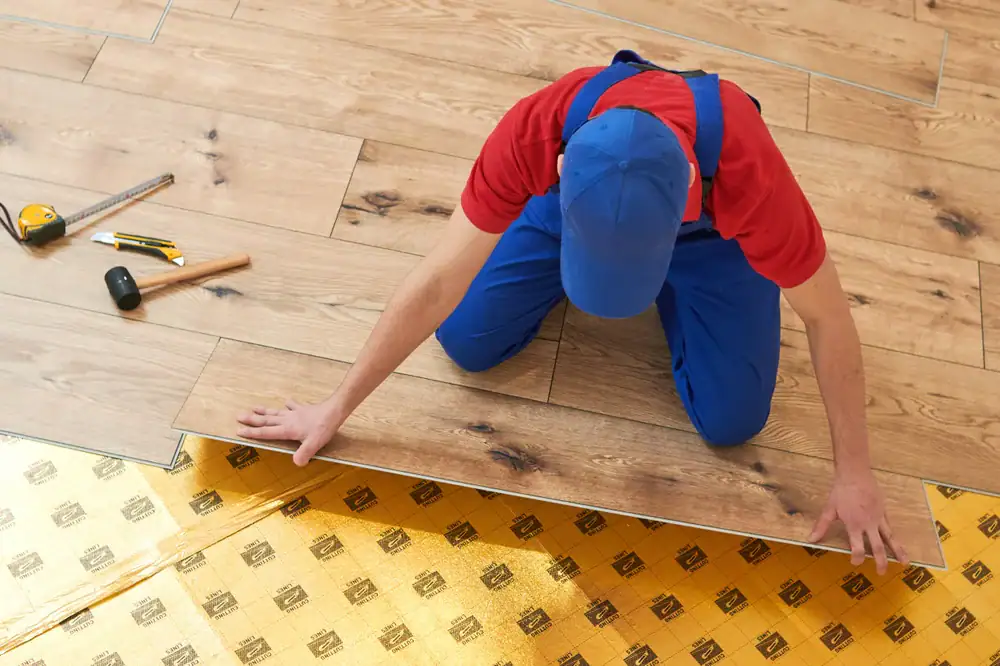
Installation day, we prep the subfloor one more time. Then we install your flooring with proper spacing for seasonal expansion. Every plank gets checked. We’re not rushing to the next job.
After installation, we sand and finish if that’s part of your project. Most jobs wrap in a day or two, depending on square footage. You get floors that look right and stay right.
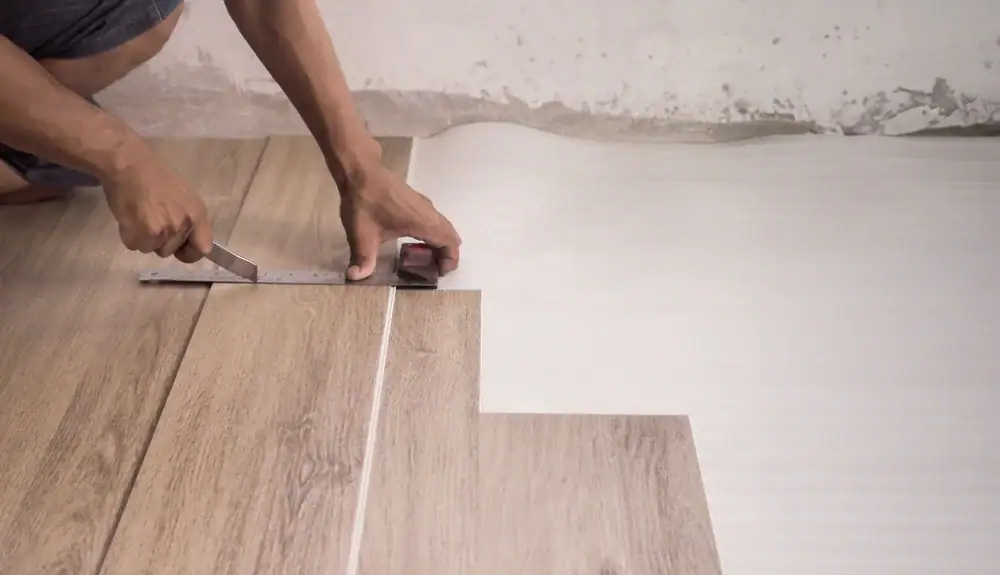
Solid Wood Flooring Installers Farrington
You get a full subfloor assessment before we quote the job. No surprises halfway through about “unexpected issues” that cost extra. If your subfloor needs work, you know upfront.
We handle acclimation timing based on your home’s conditions. Virginia’s climate means this step matters more than contractors from other regions might realize. Humidity here swings enough to cause real problems if wood isn’t properly adjusted first.
Installation includes proper expansion gaps, moisture barriers where needed, and finish work that accounts for how your specific wood species behaves. Oak installs differently than maple. Wide planks need different spacing than narrow ones.
Farrington’s housing stock ranges from newer construction to older homes with settled foundations. Each situation needs different prep work. We adjust our approach based on what your floors are actually sitting on—not just what the installation manual says.
How long does hardwood floor installation actually take in a typical home?
Most installations finish in one to three days for average-sized rooms, but that timeline doesn’t include acclimation. Your hardwood needs to sit in your home for at least three to five days before installation. Some species need longer.
Acclimation isn’t optional. It’s how the wood adjusts to your home’s specific moisture and temperature. Skip it, and you’re gambling on whether your floors will gap or cup later.
The actual installation day depends on square footage and your subfloor condition. If we’re working with a clean, level subfloor, we move faster. If we’re fixing issues first, it takes longer. We’ll tell you the realistic timeline after we see your space.
What's the difference between cheap installation and professional installation?
Subfloor prep. That’s where most cheap installations fail. Your subfloor needs to be flat within 3/16″ over 10 feet. It needs to be dry—moisture readings between the subfloor and hardwood should be within 4% for solid wood. And it needs to be clean and structurally sound.
Cheap installers skip the moisture meter. They don’t fix subfloor issues because it takes time. They rush acclimation or skip it entirely. Then they’re gone before problems show up.
Professional installation means we check everything first. We fix what needs fixing. We give your wood time to acclimate. We install with proper expansion spacing. You pay more upfront, but you’re not paying someone else to fix it in a year.
Can you install hardwood over my existing floor or do you need to remove it?
It depends on what’s there and what condition it’s in. We can sometimes install over existing hardwood if it’s solid, level, and properly attached. We can’t install over cushioned vinyl, loose tiles, or anything that’s going to compress or shift.
Height is another factor. Adding another layer of flooring raises your floor level. That affects door clearances, transitions to other rooms, and appliances. Sometimes it works fine. Sometimes it creates problems that cost more to fix than just removing the old floor.
We’ll assess your existing floor and tell you whether installing over it makes sense or whether removal is the better move. There’s no one-size answer—it depends on your specific situation.
What happens if my subfloor isn't level or has moisture issues?
We fix it before installing your hardwood. An unlevel subfloor causes squeaks, loose planks, and uneven wear. Moisture issues cause cupping, crowning, or gaps. Neither problem gets better after installation—they get worse.
Leveling usually means adding compound to low spots or sanding down high spots. Moisture issues are trickier. Sometimes it’s a crawl space ventilation problem. Sometimes it’s a minor leak. Sometimes it’s just concrete that hasn’t fully cured. We identify the source and address it.
This adds time and cost to your project, but it’s not optional. Installing hardwood over a bad subfloor just means you’ll be ripping it up and starting over later. We’d rather fix it right the first time.
Do you offer dustless installation or is that just for refinishing?
Dustless systems work for refinishing and sanding—not for installation itself. Installation creates sawdust from cuts, but it’s manageable. We contain the work area and clean as we go.
If your project includes both installation and finishing, we use dustless equipment for the sanding and refinishing phases. That’s where dust becomes a real problem—fine particles that get everywhere. Our dustless system captures 99% of it.
Installation dust is mostly larger particles from cutting boards to length. We use drop cloths, seal off work areas, and clean thoroughly at the end of each day. It’s not dust-free, but it’s controlled. Nothing like the dust cloud from sanding without proper equipment.
How do I know if I need new installation or just refinishing?
If your existing floor is solid hardwood and the boards are structurally sound, refinishing usually makes more sense. You can refinish solid hardwood multiple times—it’s cheaper than replacement and you keep the character of your existing floor.
You need new installation if your boards are damaged beyond repair, if you have engineered flooring that’s worn through the veneer layer, or if your subfloor has issues that have compromised the flooring. Sometimes water damage or structural settling means starting over.
We’ll look at your current floors and give you an honest assessment. If refinishing will get you another decade or two, we’ll tell you. If you’re throwing money at a floor that needs replacement, we’ll tell you that too.
Other Services we provide in Farrington