
Wood Floor Installers in Fair Hill, VA
Hardwood Floors Installed Right the First Time
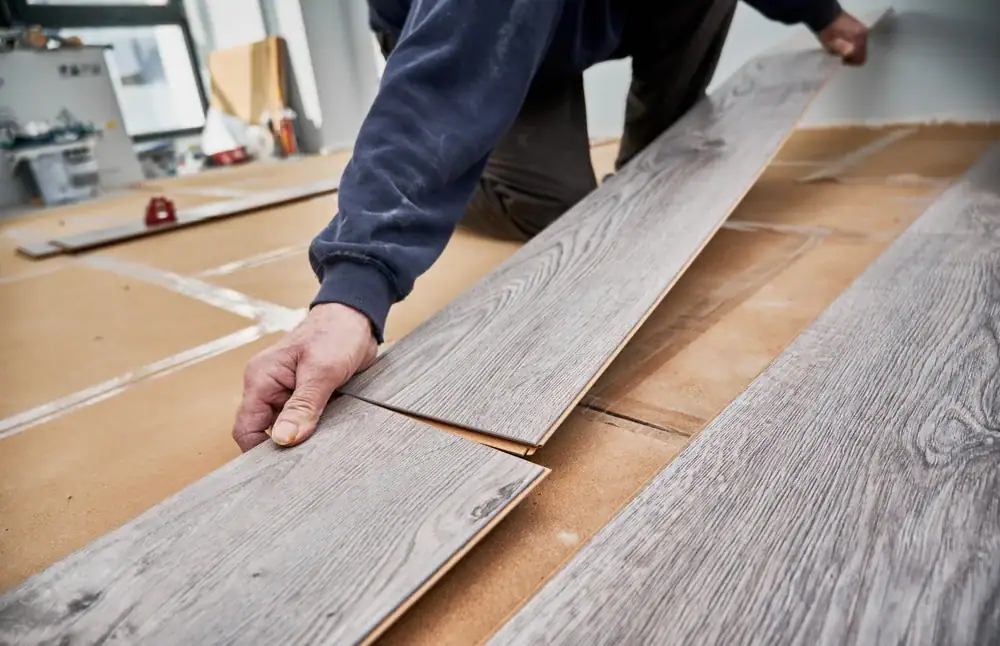
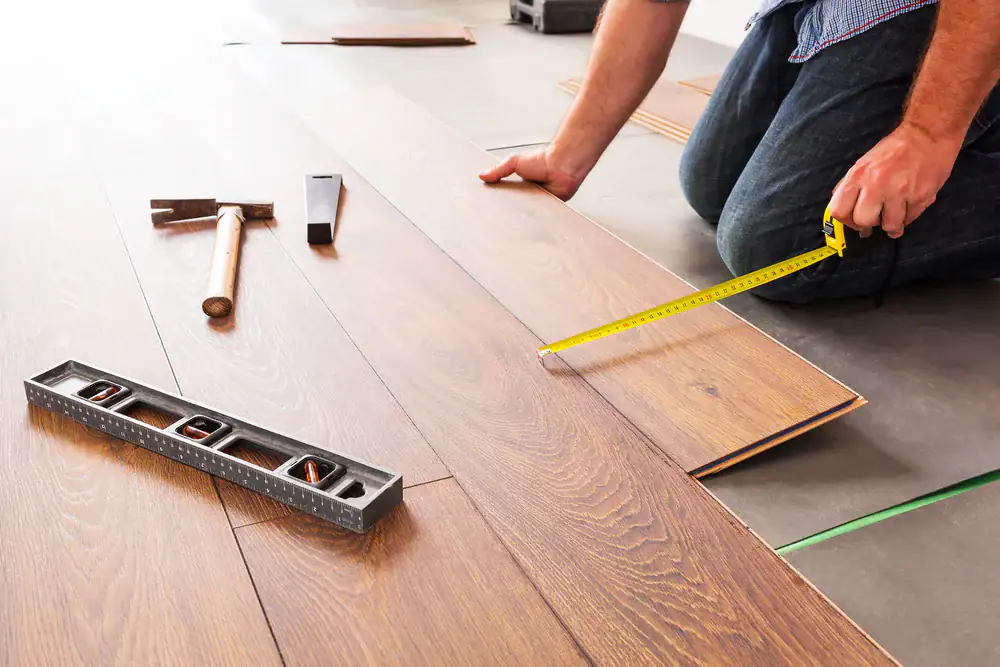
Hardwood Floor Installation Fair Hill Homeowners Trust
You’re not just getting new floors. You’re getting mornings without squeaks, rooms that feel bigger and brighter, and a home value bump that shows up when it matters.
The difference between decent hardwood floor installation and the kind that holds up? It’s in the subfloor prep, the moisture testing, and the racking pattern most contractors skip. When those steps get rushed or ignored, you end up with gaps, pops, and panels that look awkward from day one.
Fair Hill homes deal with real humidity swings. Your floors need to be installed with that in mind, not treated like a cookie-cutter job. That means acclimating the wood, testing moisture levels in your subfloor, and laying each plank so the grain flows naturally and the seams don’t telegraph through the finish.
Experienced Wood Flooring Contractor Near Fair Hill
We’ve been serving Virginia homeowners since the early 2000s. We’re BBB accredited with an A+ rating, and we’ve built that reputation one floor at a time across Richmond, Henrico, Hanover, and into Fair Hill, VA.
We’re not a crew that shows up for five minutes and disappears. We’re licensed, insured wood floor installers who use dustless equipment, low-VOC finishes, and the kind of attention to detail that keeps floors from squeaking three months later. Fair Hill’s mix of historic homes and newer builds means every job is a little different, and that’s exactly the kind of work we’re set up to handle.
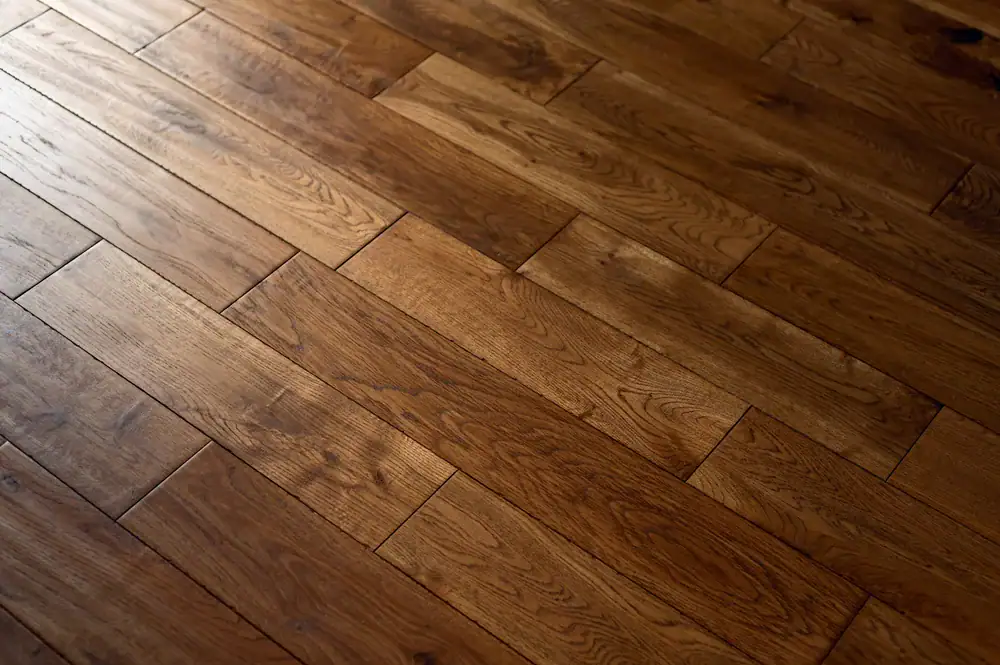
Our Hardwood Floor Installation Process Explained
First, we walk your space and check the subfloor. That means looking for moisture issues, leveling problems, and anything that’ll cause trouble later. If your subfloor isn’t right, your floors won’t be either. This step gets skipped all the time, and it’s why so many installations fail early.
Next, we bring in the hardwood and let it acclimate to your home’s humidity. Wood moves with the seasons, and if it’s not adjusted to your environment before installation, you’ll see gaps or buckling down the road. We also map out the layout so the planks flow naturally and any cuts happen in low-visibility areas.
Installation day is clean and fast. We use dustless equipment, so you’re not dealing with sawdust coating everything you own. Most jobs wrap in a single day. Once the floor is down, we apply your finish—matte, satin, or whatever suits your style—and let it cure properly before you move furniture back in.
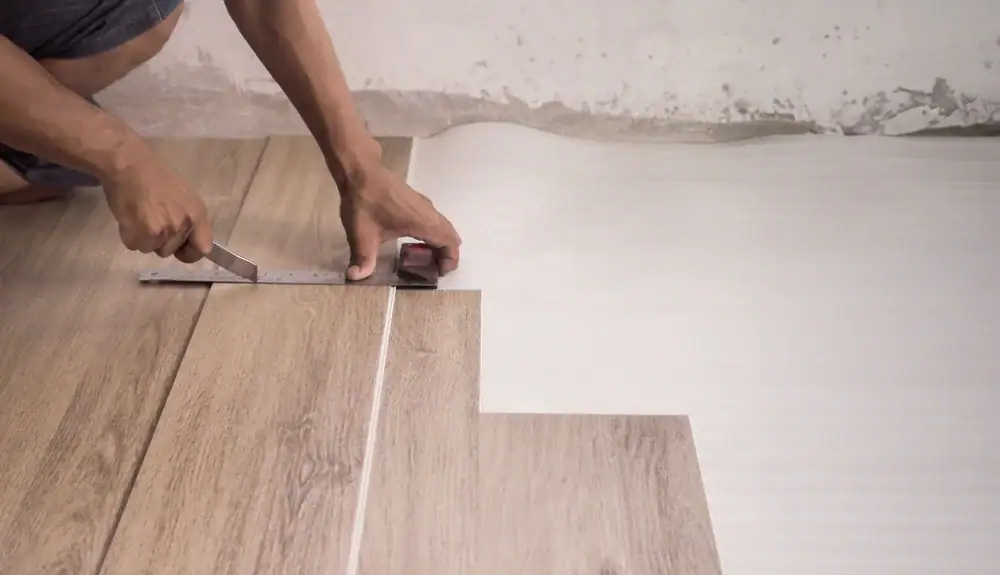
What's Included in Professional Floor Installation
Every hardwood floor installation includes full subfloor inspection and prep, moisture testing, and proper wood acclimation. We handle the layout planning so your floor looks intentional, not random. All cuts, transitions, and edges get finished cleanly.
Fair Hill’s housing stock ranges from older colonials to newer construction, and each type comes with its own quirks. Older homes might need more subfloor work or adjustments for settling. Newer builds sometimes have HVAC systems that create humidity swings, which means we’re extra careful with acclimation and finish selection.
We also work as solid wood flooring installers who know the difference between species—red oak vs white oak, hickory, maple, walnut—and can talk through durability, grain patterns, and how each one ages. If you’ve got pets, kids, or high traffic, that conversation matters. And if you’re leaning toward wide planks or a specific finish, we’ll tell you how it’ll perform in real life, not just how it looks in a showroom.
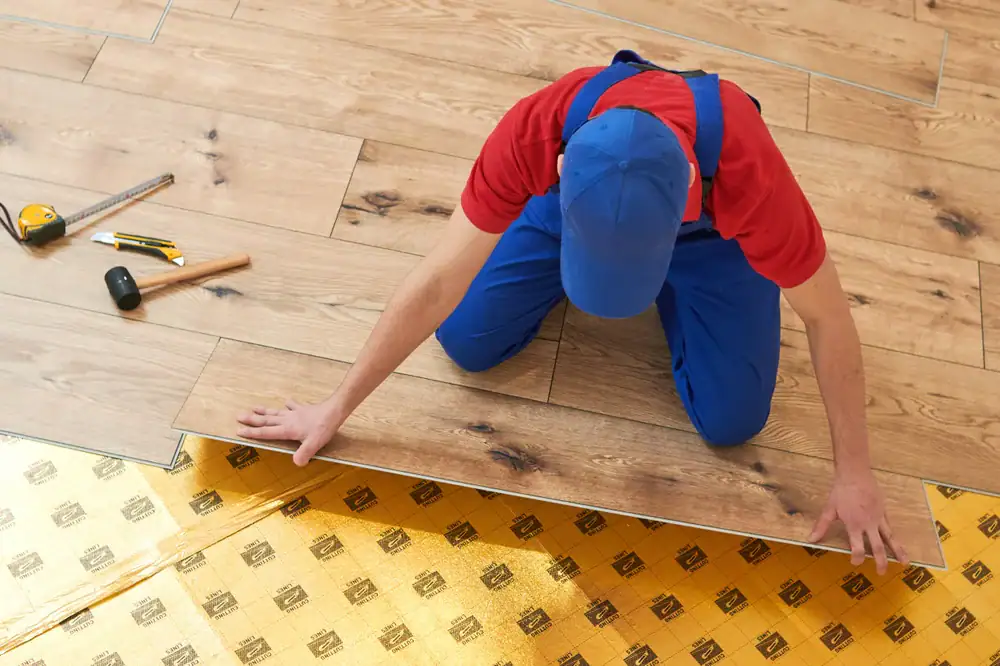
How long does hardwood floor installation actually take in Fair Hill?
Most residential hardwood floor installations finish in one day, assuming the subfloor is in good shape and doesn’t need major repairs. If we’re working with an older Fair Hill home that needs leveling or moisture mitigation, that prep work might add a day.
The finish needs time to cure before you walk on it. Depending on the product, that’s usually 24 to 48 hours for light foot traffic and up to a week before you move heavy furniture back. We’ll give you a specific timeline based on what we’re using and what your floors need.
Dustless equipment keeps the mess contained, so you’re not dealing with cleanup for days afterward. Most homeowners are surprised how little disruption there actually is compared to what they’ve heard from friends or neighbors who’ve had floors done.
What's the difference between solid hardwood and engineered wood flooring?
Solid hardwood is a single piece of wood from top to bottom. It can be sanded and refinished multiple times over its life, which means it can last 50+ years if it’s maintained. It’s the most durable option and the one that adds the most resale value.
Engineered wood has a real hardwood top layer bonded to plywood underneath. It’s more stable in humid environments and can go over concrete or radiant heat, which solid can’t. But you can only refinish it once or twice before you hit the plywood, so its lifespan is shorter.
For Fair Hill homes, solid hardwood is usually the better long-term investment unless you’re installing over a basement slab or have serious moisture concerns. We’ll test your subfloor and talk through what makes sense for your specific situation before you commit to either one.
How do I know if my subfloor is ready for installation?
Your subfloor needs to be clean, dry, flat, and structurally sound. We test moisture levels with a meter—anything above 12% is a red flag. If your subfloor is too wet, the hardwood will absorb that moisture and buckle or cup later.
Flatness matters too. If there are dips or humps, the floor will feel spongy or create gaps between planks. We check with a level and sand down high spots or fill low areas before any wood goes down. Squeaks usually mean loose subfloor panels, and we’ll screw those down so they don’t telegraph noise through your new floor.
A lot of wood flooring contractors skip this step to save time, and that’s where 80% of installation problems come from. We don’t move forward until the subfloor passes inspection, even if it means an extra day of prep. It’s the difference between floors that last and floors that fail.
Can you match existing hardwood floors in part of my home?
Matching existing floors is possible, but it’s rarely perfect. Wood changes color as it ages—UV exposure, foot traffic, and oxidation all darken or lighten the finish over time. Even if we source the same species and stain, new wood next to old wood will look different at first.
The best approach is to blend the transition in a doorway or natural break between rooms. If the existing floor is in decent shape, we can also refinish both the old and new sections at the same time so everything cures to the same color. That gives you the most seamless look.
If you’re adding onto a Fair Hill home or opening up walls between rooms, we’ll walk the space and talk through what’s realistic. Sometimes a contrasting border or transition strip actually looks more intentional than trying to force a match that won’t quite land.
What kind of maintenance do hardwood floors need after installation?
Hardwood floors are low maintenance, but they’re not no maintenance. Sweep or vacuum regularly to keep grit from scratching the finish. Use a damp mop with a hardwood-safe cleaner—never soak the floor or use harsh chemicals that’ll dull the finish.
Matte and satin finishes hide scratches better than high-gloss, and they’re easier to touch up if you get a deeper gouge. You can also add area rugs in high-traffic zones and felt pads under furniture legs to minimize wear. If you’ve got pets, keep their nails trimmed.
Every 7 to 10 years, depending on traffic, your floors will need a buff and coat to refresh the finish. That’s a one-day process that brings back the shine without a full sand-down. If you stay on top of that, your floors can go decades before they need a complete refinish.
Why does hardwood floor installation cost vary so much between contractors?
Price differences usually come down to three things: quality of materials, level of prep work, and experience of the crew. Cheap bids often mean shortcuts—no moisture testing, minimal subfloor prep, or lower-grade wood that won’t hold up.
Some wood flooring contractors price low to get the job, then upsell you on “unexpected” issues once they’re halfway through. Others use inexperienced crews who waste material or make layout mistakes that show up as awkward seams and bad racking patterns.
We price based on what the job actually requires. If your subfloor needs work, we’ll tell you up front. If the wood needs extra acclimation time, that’s part of the process. You’re not paying for the cheapest floor installation in Fair Hill—you’re paying for one that doesn’t need to be redone in five years.