
Wood Floor Installers in Currituck Farms, VA
Floors That Last Through Virginia's Toughest Seasons
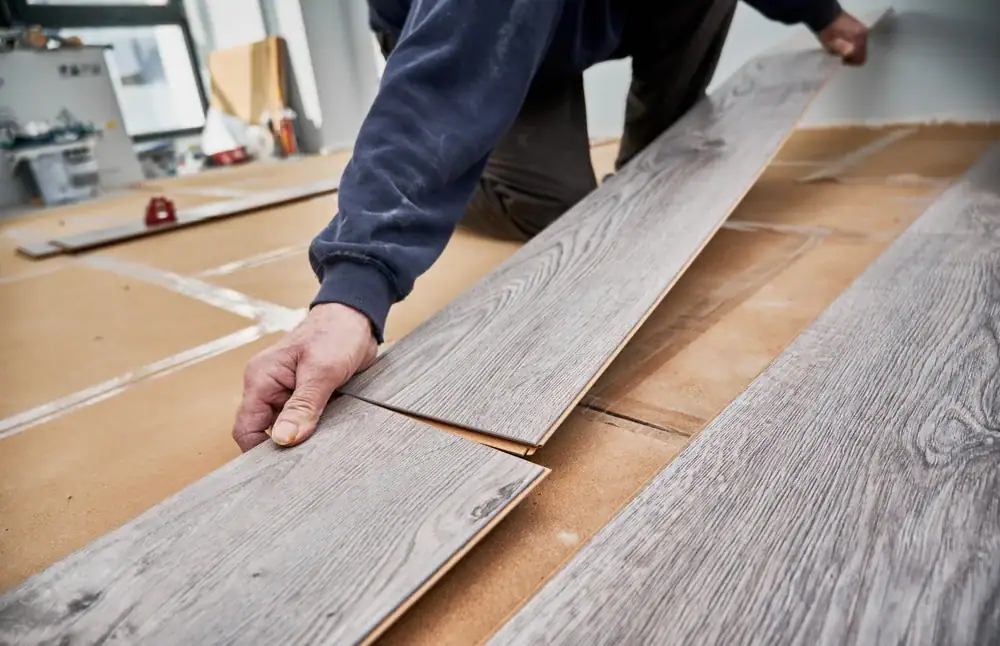
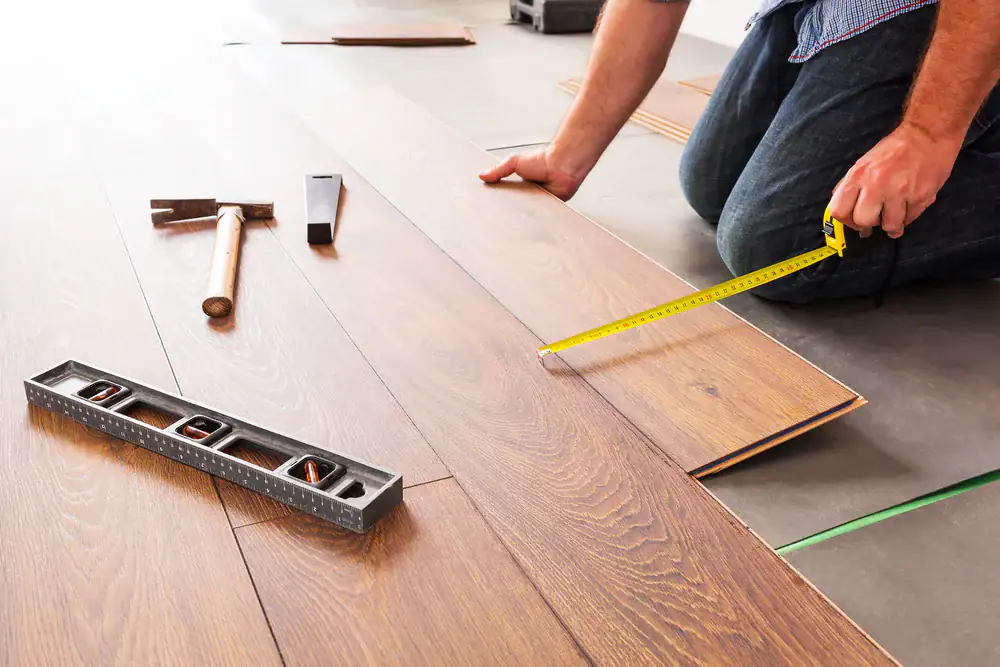
Hardwood Floor Installation in Currituck Farms
Your floors shouldn’t squeak six months after installation. They shouldn’t cup when summer humidity rolls in or gap when winter dries things out.
When the subfloor prep is done correctly and the installation follows Virginia’s climate requirements, your hardwood stays flat, stable, and quiet. You’re not calling someone back to fix boards that were rushed into place. You’re not dealing with uneven transitions or planks that don’t line up.
What you get is a floor that looks as good in year five as it did on day one. That’s what proper installation does. It removes the guesswork and the callbacks, and it gives you a surface you can count on under furniture, foot traffic, and everything else your home throws at it.
Wood Flooring Contractor Serving Currituck Farms
We’ve been working in Virginia for over 20 years. We’ve installed hardwood in homes across Currituck Farms and the surrounding areas, and we’ve seen what happens when installation shortcuts get taken.
We know the soil here. We know the moisture patterns. We know that clay-rich ground and rising dew points mean your subfloor prep can’t be an afterthought. Our crews don’t skip steps to save time, because we’re the ones who get called when someone else’s fast job starts falling apart.
You’re working with installers who’ve done this long enough to know what works in Virginia homes and what doesn’t.
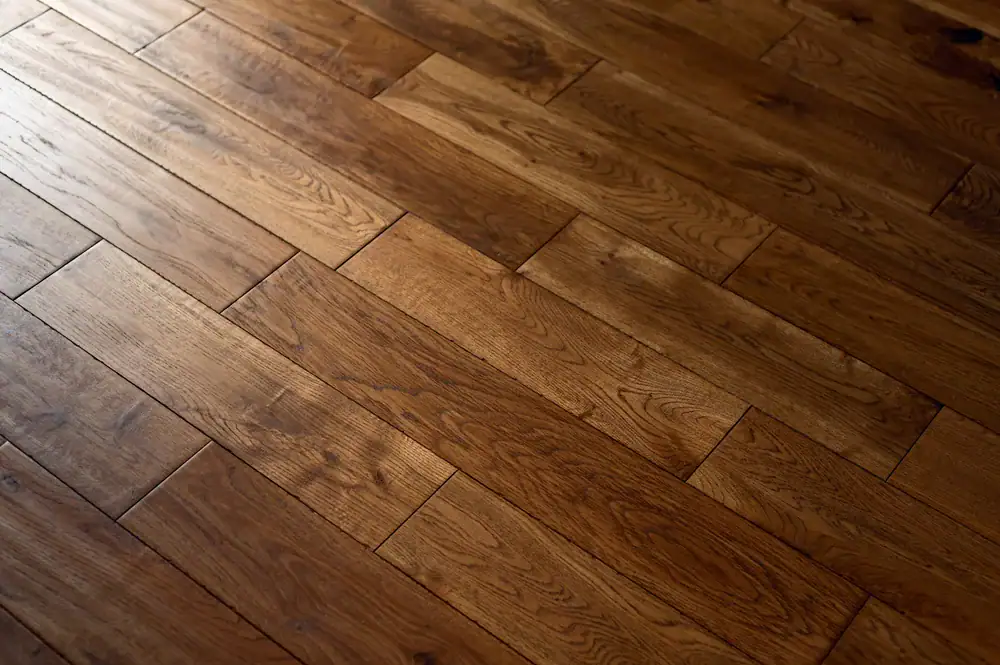
Our Hardwood Floor Installation Process
First, we assess your subfloor. If it’s not level, dry, and stable, we fix it before any hardwood goes down. This step gets skipped more than it should, and that’s why floors squeak and shift later.
Next, we acclimate the wood to your home’s humidity levels. Virginia’s moisture swings are real, and wood needs time to adjust before installation. Rushing this causes problems you’ll notice within months.
Then we install using the right fasteners, spacing, and techniques for your specific wood type and subfloor. We check for level as we go, not after. Once the floor is down, we finish it with coatings that protect against moisture, scratches, and daily wear.
You’ll know the timeline upfront, and we’ll walk the finished floor with you to make sure everything meets expectations before we consider the job done.
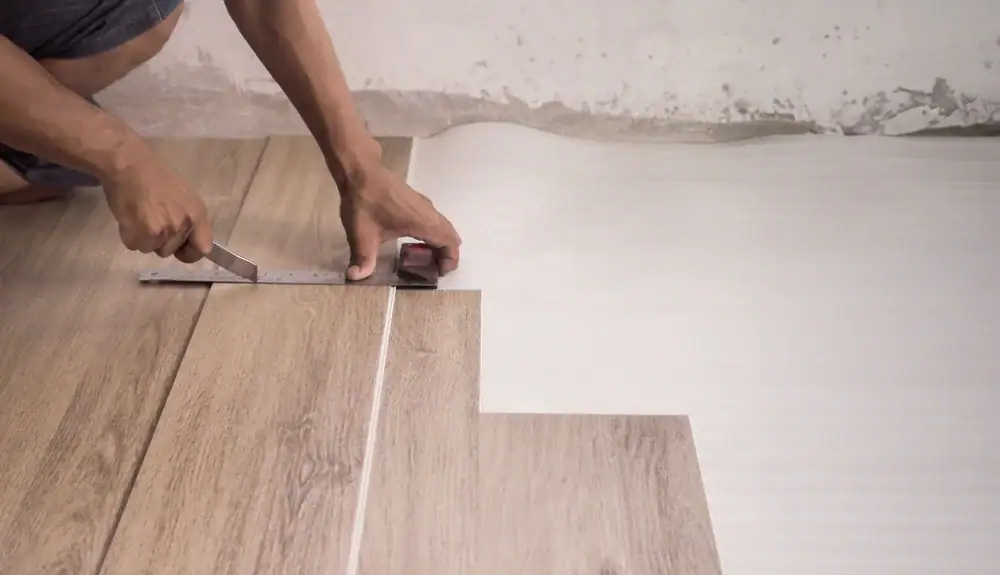
Solid Wood Flooring Installers in Currituck Farms
You get a full subfloor inspection and any necessary leveling or moisture barrier installation. In Currituck Farms and throughout Virginia, groundwater and humidity are real threats to hardwood, so moisture mitigation isn’t optional.
We handle the wood acclimation period, which means your materials sit in your home for several days before installation begins. This prevents the expansion and contraction issues that cause cupping and gapping down the road.
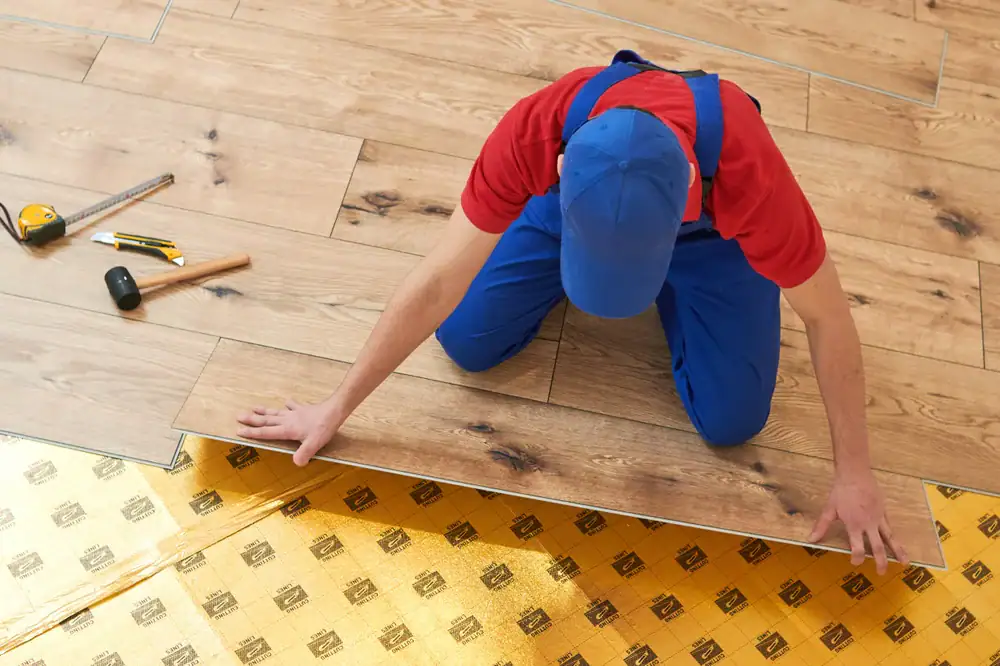
Installation includes proper fastening methods based on your wood type—whether that’s nail-down, glue-down, or floating installation for engineered options. We also manage transitions between rooms, thresholds, and any custom cuts around fixtures or architectural details.
After installation, we apply your choice of finish. That could be oil-based polyurethane for maximum durability, water-based for faster drying and lower odor, or hardwax oil for a more natural look. We also offer staining if you want to adjust the wood tone before sealing. The goal is a finished floor that matches your vision and holds up to Virginia’s climate.
How long does hardwood floor installation take in a typical home?
For an average-sized room—say 300 to 500 square feet—installation usually takes two to three days once the wood is acclimated. That includes subfloor prep, installation, and finishing.
Acclimation adds time upfront. The wood needs to sit in your home for at least 72 hours, sometimes longer depending on the moisture differential between the wood and your home’s environment. Skipping this step is one of the most common installation mistakes, and it’s why some floors start cupping or gapping within the first year.
If you’re doing multiple rooms or a whole-house install, expect closer to a week or more. Finishing adds drying time—oil-based finishes need 24 hours between coats, and you’ll want to stay off the floor for at least 48 hours after the final coat. Water-based finishes dry faster but still need a full day of cure time before furniture goes back. We’ll give you a detailed timeline during the estimate so you can plan around it.
What's the difference between solid and engineered hardwood for Virginia homes?
Solid hardwood is exactly what it sounds like—planks milled from a single piece of wood, typically three-quarters of an inch thick. It can be sanded and refinished multiple times over its life, which makes it a long-term investment. But it’s also more reactive to moisture and humidity changes, which matters in Virginia.
Engineered hardwood has a real wood veneer on top with a plywood or HDF core underneath. The layered construction makes it more stable in humid conditions because it expands and contracts less than solid wood. If your home doesn’t have a full basement or if you’re installing over a concrete slab, engineered is often the better choice.
Both options look identical once they’re installed and finished. The decision comes down to your subfloor, your home’s moisture levels, and how many times you plan to refinish the floor over the years. Solid gives you more refinishing opportunities. Engineered gives you more stability in tough climates. We’ll test your subfloor moisture and help you decide which makes sense for your situation.
Can you install hardwood floors over concrete slabs in Currituck Farms?
Yes, but it requires the right prep work and the right type of hardwood. Concrete slabs can wick moisture up from the ground, especially in areas with clay-rich soil and high water tables like we have in parts of Virginia.
Before any wood goes down, we test the slab for moisture using a calcium chloride test or a relative humidity probe. If moisture levels are too high, we install a vapor barrier or moisture mitigation system first. Without that step, you’re asking for cupping, warping, or even mold growth under the floor.
Engineered hardwood is almost always the better choice over concrete because it handles moisture fluctuations better than solid wood. We typically use a glue-down or floating installation method rather than nailing, since you can’t nail into concrete. The subfloor also needs to be level within an eighth of an inch over ten feet, so grinding or self-leveling compound might be necessary. It’s more involved than installing over a wood subfloor, but it’s absolutely doable when the prep is handled correctly.
How do you prevent floors from squeaking after installation?
Squeaks happen when something isn’t secure. Either the subfloor is moving against the joists, or the hardwood is moving against the subfloor. Both problems are preventable with proper installation.
First, we make sure the subfloor itself is fastened tightly to the floor joists. If there’s any flex or movement in the subfloor, we add screws to eliminate it before the hardwood goes down. Loose subfloors are one of the biggest causes of squeaky floors, and most installers don’t check for this.
Second, we use the correct fasteners for your wood type and subfloor material. Nails that are too short or improperly angled won’t hold the planks securely. We also make sure the wood is acclimated to your home’s humidity before installation, because wood that shrinks after it’s nailed down will loosen and start making noise. If you’re getting engineered hardwood installed as a floating floor, we use high-quality underlayment that prevents movement and reduces sound transfer. Squeaks aren’t inevitable—they’re a sign that something in the installation process was rushed or skipped.
What type of finish holds up best in high-traffic areas?
Oil-based polyurethane is still the most durable finish for high-traffic areas. It creates a hard, protective layer that resists scratches, dents, and moisture better than most other options. The downside is the smell during application and the longer drying time, but if you’re looking for maximum durability, it’s hard to beat.
Water-based polyurethane is a close second. It dries faster, has less odor, and doesn’t amber over time like oil-based finishes do. The trade-off is that it’s slightly less durable, so it might need a maintenance coat sooner in areas that see heavy use—entryways, hallways, kitchens.
Hardwax oil is becoming more popular because it’s easy to spot-repair and gives the wood a more natural, matte look. But it requires more frequent maintenance and isn’t as scratch-resistant as polyurethane. For homes with kids, pets, or just a lot of foot traffic, we usually recommend oil-based poly on the main living areas and water-based in bedrooms or lower-traffic spaces. We’ll walk you through samples and explain what each finish looks like after a few years of real use, not just on day one.
Do you offer hardwood floor repair or just full installations?
We handle both. If your existing hardwood has damage in specific areas—water stains, deep scratches, broken boards—we can often replace or repair those sections without redoing the entire floor.
Board replacement involves cutting out the damaged planks and weaving in new ones that match your existing wood species and finish. It’s not always a perfect color match right away, especially if your floor has aged or darkened over time, but the new boards will blend in as they age. We can also sand and refinish the repaired area to help everything look uniform.
If the damage is more widespread—say, cupping or warping across a large section—that usually points to a moisture problem that needs to be addressed before any repair work makes sense. We’ll assess what’s causing the issue, fix the underlying problem, and then determine whether repair or replacement is the better move. Sometimes a full refinish is more cost-effective than patching if the floor is due for it anyway. We’ll give you the honest recommendation based on what we see, not what generates the bigger invoice.
Other Services we provide in Currituck Farms