
Wood Floor Installers in Crestview, VA
Hardwood Floors That Handle Virginia's Climate
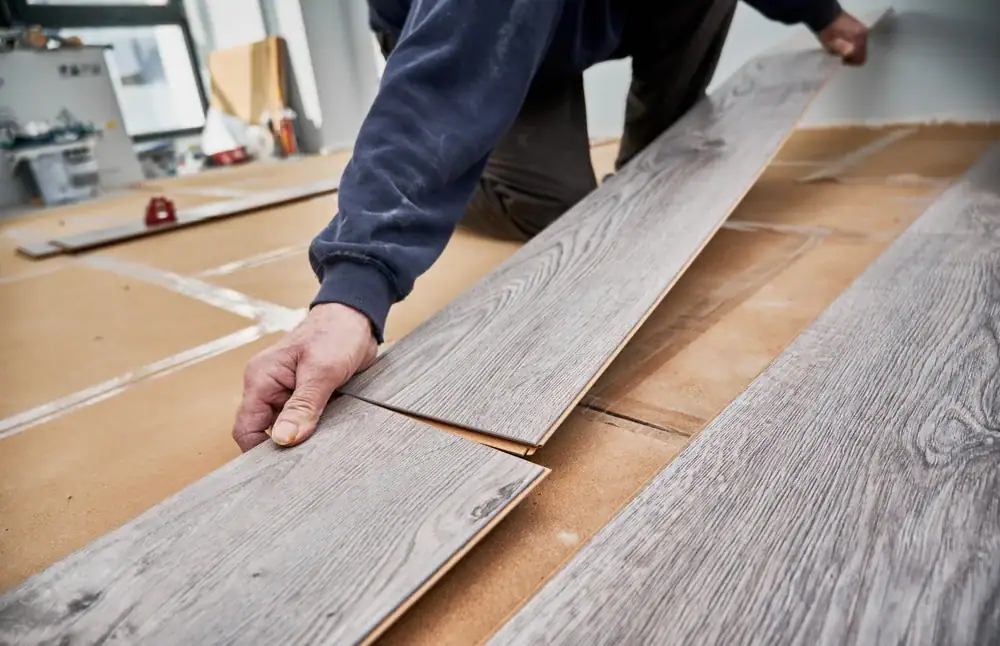
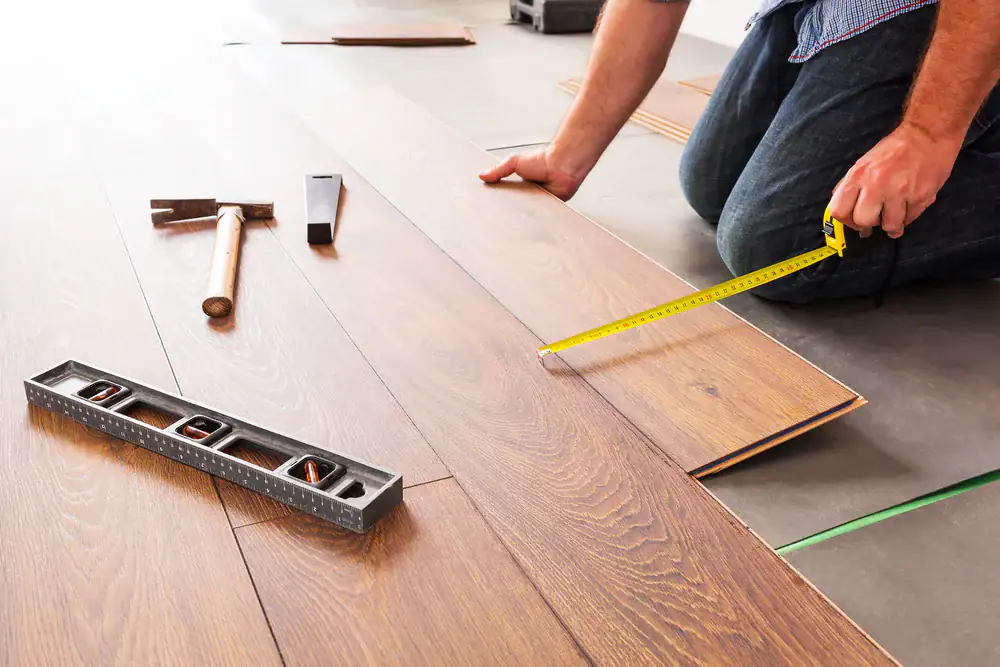
Hardwood Floor Installation in Crestview
Richmond’s summers make wood swell. Winter heating dries everything out. You’ve probably seen what happens when floors aren’t installed with that in mind—cupping, gaps, boards that creak every time someone walks through the kitchen.
The right hardwood floor installation accounts for how your home breathes. That means proper acclimation before installation, the right expansion gaps, and materials that won’t fight against Virginia’s 40-degree humidity swings. When it’s done right, you get floors that stay flat, stay quiet, and actually add value to your home instead of becoming another repair project in five years.
You also get a house you can use the same day. No dust coating your furniture. No chemical smell lingering for a week. Just clean work, done by people who’ve been doing this in Crestview long enough to know which products hold up and which ones don’t.
Wood Flooring Contractor in Crestview
We’ve been working in Crestview and the surrounding Richmond area since the late ’80s. That’s long enough to have refinished floors we originally installed, and long enough to know what holds up in older Henrico County homes where subfloors aren’t always level and HVAC systems weren’t designed with humidity control in mind.
We’re licensed, bonded, and insured through the Virginia Board for Contractors. We use dustless sanding systems that capture 99% of particles, and we’ve built relationships with manufacturers like Bona and DuraSeal because we install enough floors to know what actually performs. Most of our work comes from referrals, which tells you something about how the finished product holds up.
Our Hardwood Floor Installation Process
It starts with a site visit. We look at your subfloor, check for moisture issues, measure the space, and talk through material options based on how you actually use the room. If you’ve got kids, pets, or a kitchen that sees real cooking, that changes the recommendation.
Once you approve the estimate, we order materials and let them acclimate in your home for several days. Wood needs to adjust to your indoor humidity before installation, or it’ll move after we nail it down. Then we prep the subfloor—fixing any uneven spots, cleaning thoroughly, and making sure everything is level and dry.
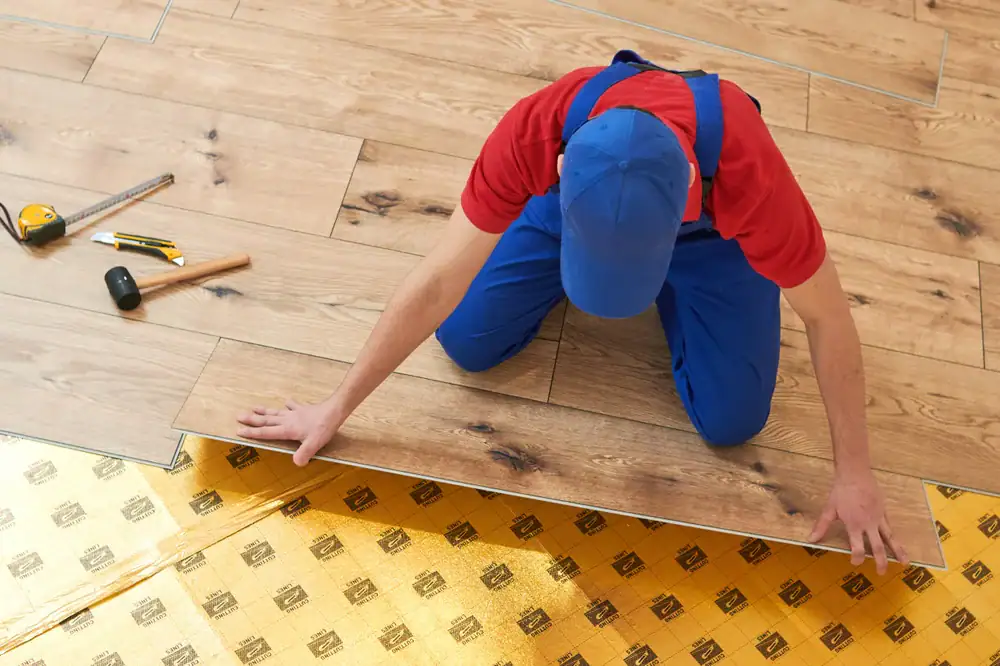
Installation itself is precise. Every plank gets checked for fit. Expansion gaps are calculated based on the wood species and your home’s typical humidity range. We’re not rushing to finish by end of day; we’re making sure the floor is straight, secure, and won’t develop problems six months from now.
After installation, we clean up completely. The dustless system handles most of it during the job, but we don’t leave until the space is ready to use. You’ll get care instructions and information on when to apply the first cleaning—usually just a few days, depending on the finish.
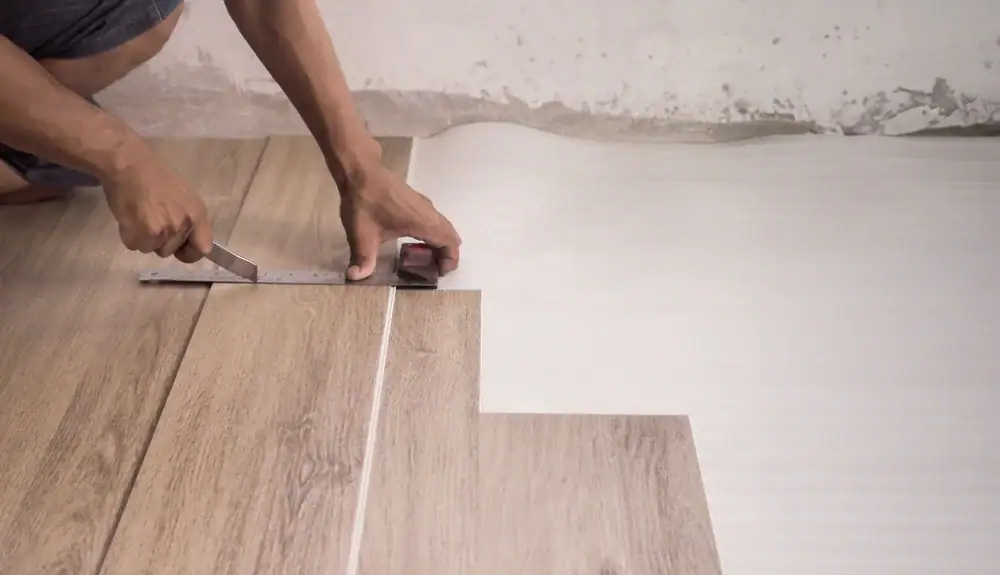
Solid Wood Flooring Installers Crestview
You’re getting more than just someone with a nail gun. Professional hardwood floor installation means subfloor inspection and repair, moisture testing, material acclimation, and precision installation using commercial-grade equipment. It also means understanding which products work in Virginia and which ones are going to give you problems.
Crestview homes—especially older ones in Henrico County—often have quirks. Subfloors that aren’t perfectly flat. HVAC systems that create dry pockets in winter. Crawl spaces that introduce moisture from below. A good wood flooring contractor accounts for all of that before the first board goes down.
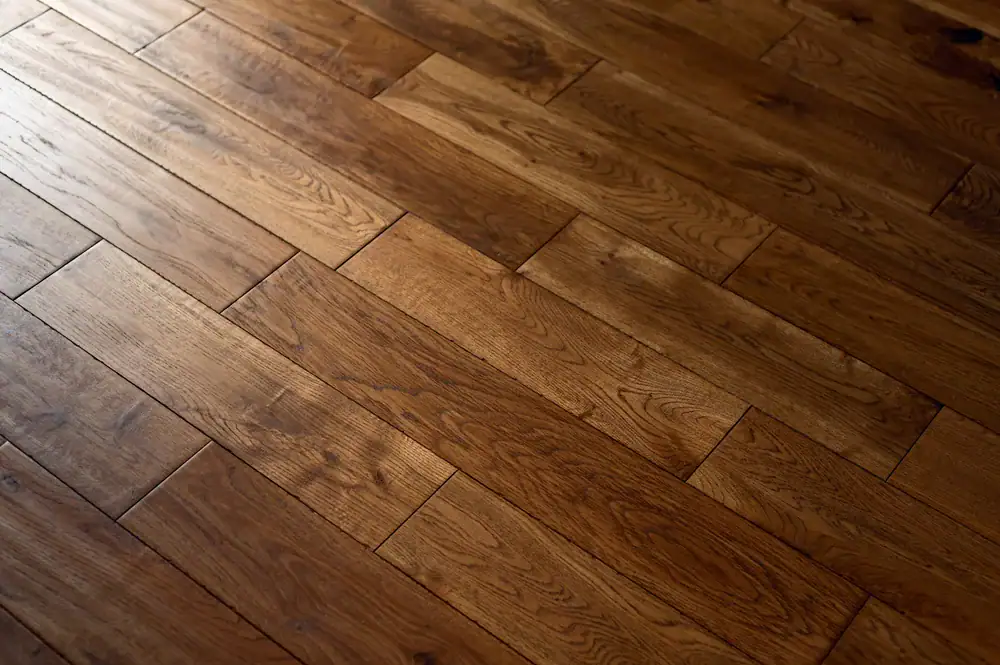
We install solid hardwood, engineered wood, and can work with reclaimed materials if that’s the look you want. Engineered floors are often the smarter choice for basements or areas where humidity is harder to control—they’re more stable but still give you a real wood surface. Solid hardwood is unbeatable for main living areas where you want that timeless look and the option to refinish multiple times over the decades.
The installation includes all trim work, transitions between rooms, and matching to existing floors if you’re adding onto a space. We also handle floor refinishing services and hardwood floor repair if you’ve got existing floors that just need attention instead of full replacement.
How long does hardwood floor installation take in a typical Crestview home?
Most installations take three to five days depending on square footage and the complexity of the layout. That includes acclimation time, which is non-negotiable if you want floors that stay flat.
The actual installation might only be one or two days, but the prep work and acclimation matter just as much. We’re letting the wood adjust to your home’s humidity before it goes down. Skipping that step is how you end up with gaps in winter or cupping in summer.
If there’s subfloor damage or leveling needed, add another day or two. We’d rather take the extra time up front than have you call six months later because the floor is squeaking or boards are shifting.
What's the difference between solid hardwood and engineered wood flooring?
Solid hardwood is a single piece of wood from top to bottom. It can be sanded and refinished multiple times over its life—sometimes four or five times depending on thickness. It’s the traditional choice and it lasts generations if it’s maintained. The downside is it’s more sensitive to moisture and humidity changes.
Engineered wood has a real hardwood top layer bonded to layers of plywood underneath. That construction makes it more stable in areas where humidity fluctuates or in rooms like basements where solid hardwood would be risky. You can still refinish it, just not as many times since the top layer is thinner.
For most main living areas in Crestview, solid hardwood makes sense. For below-grade spaces, rooms over crawl spaces, or anywhere moisture is a concern, engineered is the smarter play. Both look great when installed properly—the difference is in how they respond to Virginia’s climate over time.
Will the installation process damage my walls or create a huge mess?
The dustless sanding system we use captures 99% of airborne particles, so you’re not dealing with a layer of dust settling on everything in your house. It’s a completely different experience than traditional sanding, which can coat entire rooms.
There’s still some noise—installation involves nail guns and saws—but we contain the work area and protect adjacent spaces. Trim work is done carefully to avoid wall damage, and if we do need to remove baseboards, we reinstall them or work with your trim carpenter if you’re doing other updates.
You can expect some disruption. We’re working in your home and you won’t have access to those rooms during the process. But it’s not a construction zone. We clean up at the end of each day, and when we’re done, the space is ready to use immediately. No waiting days for finishes to cure or smells to dissipate.
How do I know if my subfloor is in good enough condition for hardwood?
We check that during the initial visit. A subfloor needs to be clean, dry, flat, and structurally sound. If it’s got dips, humps, or soft spots, those need to be fixed before installation or they’ll telegraph through to the finished floor.
Moisture is the bigger issue in Richmond. We use moisture meters to test the subfloor and make sure it’s within acceptable range. Too much moisture and the hardwood will absorb it and swell. Concrete slabs are especially prone to moisture issues, which is why engineered flooring is often the better choice in those situations.
If there are problems, we’ll tell you what needs to happen. Sometimes it’s as simple as adding a moisture barrier. Other times the subfloor needs repair or leveling. It’s better to handle it before installation than to lay a beautiful floor over a bad foundation and watch it fail.
What type of wood holds up best in Richmond's humidity?
Oak is the workhorse. Red oak and white oak both handle humidity changes well, they’re hard enough for high traffic, and they’re widely available at reasonable prices. White oak is slightly harder and has a tighter grain, which some people prefer for a cleaner look.
Hickory is harder than oak and extremely durable, but it has more color variation. If you want a floor that can take serious abuse—kids, dogs, heavy furniture—hickory is tough to beat. Maple is another hard option, though it doesn’t absorb stain as evenly as oak.
For older homes in Crestview, you might have original heart pine, which is softer but has character you can’t replicate with new wood. If you’re trying to match existing floors, we can source reclaimed heart pine or work with what’s there. The key with any species is proper acclimation and installation—wood type matters, but technique matters more when it comes to how the floor responds to seasonal changes.
Is refinishing an option, or do I need full replacement?
If your existing floor is solid hardwood and the damage is mostly surface-level—scratches, wear patterns, dull finish—refinishing is almost always the better choice. It costs less, takes less time, and you keep the floor you have. We can sand it down, repair small damaged areas, and apply new finish. It’ll look new when we’re done.
Refinishing doesn’t work if the wood is too thin from previous sandings, if there’s structural damage like broken boards or major water damage, or if the floor was never solid hardwood to begin with. Some older floors that look like hardwood are actually thin veneer over plywood, and those can’t be sanded.
We’ll tell you honestly whether refinishing makes sense or if replacement is the smarter move. Sometimes it’s a mix—refinish most of the floor and replace damaged sections. The goal is to give you a floor that lasts, not to sell you the most expensive option.