

Home Blog A Richmond Homeowner’s Guide to Vinyl Flooring
A Richmond Homeowner’s Guide to Vinyl Flooring

When you hear “vinyl flooring,” what comes to mind? If it’s the peeling, plasticky kitchen floors from decades ago, it’s time for a fresh look. For Richmond homeowners, modern vinyl is a completely different animal—a sophisticated, high-performance material that masterfully mimics the authentic look of real hardwood and natural stone, built for the demands of a busy household.
It’s the best of both worlds: stunning visuals combined with serious durability, making it a top contender for any home in the Richmond area.
What Is Modern Vinyl Flooring, Anyway?
Forget everything you think you know about vinyl. The products taking the market by storm today are Luxury Vinyl Plank (LVP) and Luxury Vinyl Tile (LVT), and they are engineered marvels designed for modern life.
Unlike the flimsy, easily-torn sheet vinyl of the past, today’s luxury vinyl is built in multiple high-tech layers. These layers work together to create a surface that’s not just beautiful, but also durable and completely waterproof.
For homeowners here in Richmond, this is a game-changer. It means you can finally get that classic oak hardwood look in a damp basement or the elegant appearance of slate tile in a busy, spill-prone kitchen—all without worrying about water damage, scratches, or warping.
The Anatomy of a Modern Vinyl Plank
So, what makes this stuff so tough? The secret is in its layered construction. While the exact recipe can vary between brands, most high-quality LVP and LVT share a similar DNA.
Here's what a typical plank looks like from the top down:
- Wear Layer: Think of this as an invisible shield. It’s a clear, ultra-tough coating that guards the floor against scratches, stains, and fading from sunlight. The thicker this layer is, the better it will stand up to kids, pets, and foot traffic.
- Print/Visual Layer: This is where the magic happens. A high-resolution, 3D-printed image gives the plank its hyper-realistic appearance, capturing every tiny grain pattern of wood or the subtle textures of natural stone.
- Core Structure: This is the rigid backbone of the plank. It provides stability and, most importantly, water resistance. The core is typically made from materials like Stone Plastic Composite (SPC) or Wood Plastic Composite (WPC), which are what keep the planks from warping or buckling when exposed to moisture.
- Backing Layer: The very bottom layer adds more stability and often provides a bit of sound insulation, making the floor quieter underfoot.
This multi-layered approach is precisely what separates today's vinyl from its predecessors. It's an engineered solution designed for pure performance, especially in those parts of your home that see the most action. You can learn more about picking the right material by checking out our guide on the best flooring for high-traffic areas.
The proof is in the numbers. The global vinyl flooring market is set to grow from USD 46.53 billion to over USD 64 billion by 2031, which shows just how much homeowners value this material. You can explore more on this market growth to see how it's reshaping the industry. This isn't just a fleeting trend; homeowners everywhere, including right here in Richmond, VA, are choosing vinyl for its unbeatable combination of style and strength.
Exploring The Different Types Of Vinyl Flooring
When you start looking at new flooring for your home in Chesterfield or Henrico, you'll hear a few key terms. Understanding what they actually mean is the first step to picking a floor you'll be happy with for years. Today's vinyl flooring isn't the one-size-fits-all product it used to be; it's a whole family of materials, each designed for different needs and spaces.
The chart below breaks down the main categories you'll find on the market today.
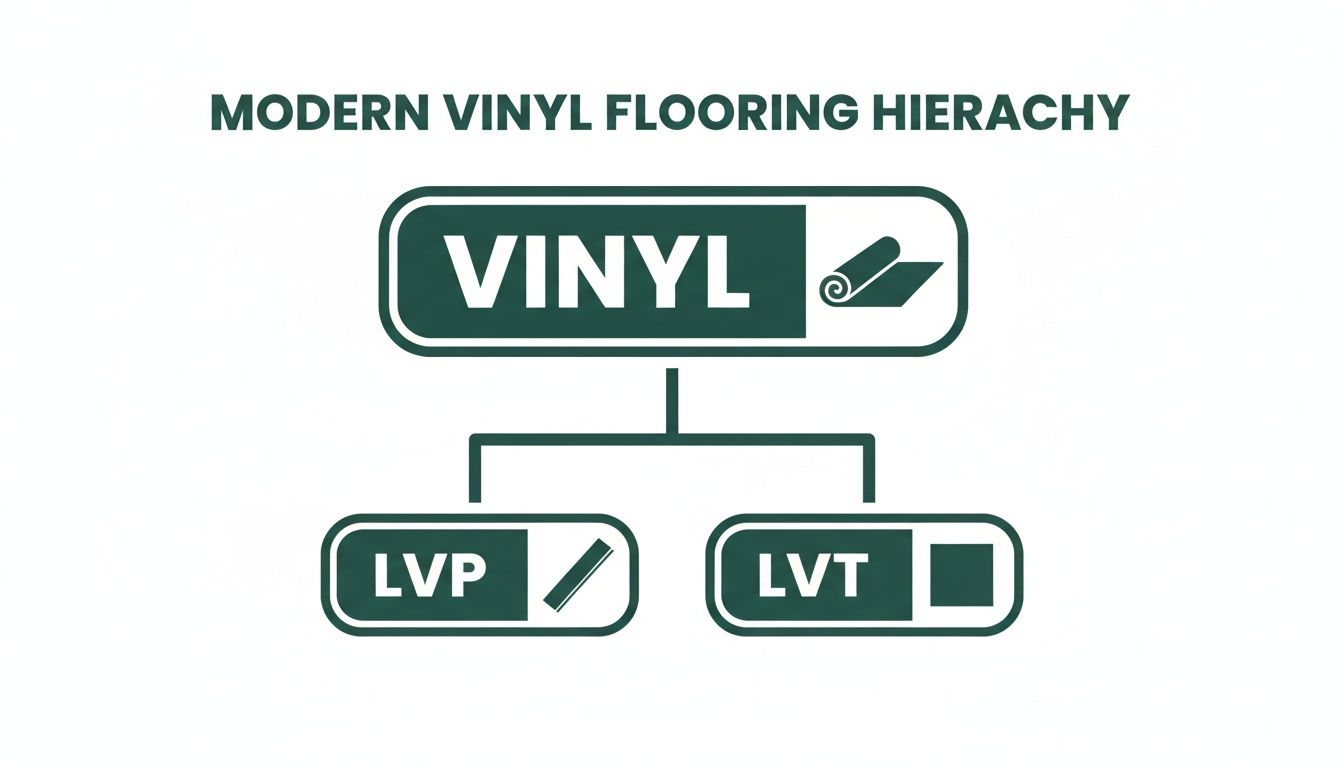
As you can see, modern vinyl has branched out into two main luxury formats—LVP for planks and LVT for tiles—which have quickly become the go-to choices for homeowners.
Luxury Vinyl Plank (LVP) And Luxury Vinyl Tile (LVT)
This is where the flooring world is headed, and for good reason. LVP and LVT are the top-tier options, engineered to mimic the look of natural materials like hardwood and stone with incredible realism. They come in rigid, individual pieces that click together for a solid, seamless installation.
Luxury Vinyl Plank (LVP): Made in long planks to look just like real wood boards, LVP is perfect for creating that warm, continuous flow in living rooms, bedrooms, and hallways. The high-definition print layer captures the grain, knots, and color variations of woods like oak, hickory, and maple with stunning accuracy.
Luxury Vinyl Tile (LVT): Cut into tiles, LVT imitates the appearance of ceramic, porcelain, or natural stone. It’s an amazing choice for kitchens, bathrooms, and entryways where you want the classic elegance of tile without the cold feel or the hassle of cleaning grout.
The popularity of this category has just exploded. Luxury vinyl tile flooring is now the fastest-growing segment in the entire flooring market, a clear sign that homeowners are shifting toward these durable, high-performance floors.
Expert Insight: The secret weapon of an LVP or LVT plank is its core. Most of the best planks now use a Stone Plastic Composite (SPC) core, which is an ultra-dense blend of limestone and plastic. This makes the floor incredibly rigid, stable, and resistant to dents from heavy furniture or dropped objects.
Sheet Vinyl: A Practical Classic
Sheet vinyl is probably what comes to mind when you picture traditional vinyl flooring. It comes in large, flexible rolls that are cut to fit your room's exact shape.
While it might not have the plank-by-plank realism of LVP, modern sheet vinyl has come a long way in terms of design and durability. Its biggest advantage is its seamless, highly water-resistant surface. This makes it an ideal, budget-friendly solution for places that see a lot of moisture, like laundry rooms, mudrooms, and bathrooms. With few or no seams, there are almost no places for water to seep through to the subfloor.
To help you decide at a glance, here’s a quick comparison of the main vinyl types.
Vinyl Flooring Types at a Glance
| Flooring Type | Best For | Key Feature | Typical Cost Range (per sq. ft.) |
|---|---|---|---|
| Luxury Vinyl Plank (LVP) | Living rooms, bedrooms, hallways | Authentic wood look, very durable | $2 – $5 |
| Luxury Vinyl Tile (LVT) | Kitchens, bathrooms, entryways | Stone or ceramic tile look without grout | $2 – $5 |
| Sheet Vinyl | Laundry rooms, basements, bathrooms | Seamless and highly water-resistant | $1 – $2 |
Ultimately, the best choice depends on your room, your style, and your budget.
Feeling unsure which vinyl type is right for your project? The experts at Buff & Coat can walk you through the options and provide an honest recommendation for your Richmond home. Call 804-392-1114 or request a free estimate today.
An Honest Look At Vinyl Flooring Pros And Cons
No flooring is perfect for every single home, and vinyl is no exception. As flooring experts who work with both modern vinyl and classic hardwood every day, we believe in giving Richmond homeowners a clear, balanced picture. Let's start with the powerful advantages that have made vinyl flooring so popular across Chesterfield and Henrico.
Then, we’ll get real about the potential trade-offs you should consider before making a final decision. This transparent look ensures you choose a floor you’ll love for years to come, with no surprises.
The Clear Advantages Of Vinyl Flooring
Modern luxury vinyl brings a lot to the table, solving many of the common headaches homeowners face with other flooring types. Its benefits are practical, tangible, and perfectly suited for the realities of busy households.
Here are the top reasons people are choosing vinyl:
- Exceptional Water Resistance: This is vinyl’s superpower. The planks and tiles themselves are 100% waterproof. This makes vinyl an outstanding choice for areas prone to moisture—think basements, full bathrooms, and kitchens, especially in Virginia's humid climate where other floors might struggle.
- Impressive Durability: High-quality vinyl flooring is built to withstand real life. Its tough wear layer resists scratches from pet claws, scuffs from moving furniture, and the general chaos of a busy family, keeping your floor looking great with minimal fuss.
- Easy Maintenance: Forget specialized cleaners or stressing about every little spill. Vinyl is one of the easiest floors to maintain. Regular sweeping and occasional mopping with a pH-neutral cleaner is all it takes to keep it looking its best.
- Comfort and Quiet: Unlike cold, hard tile, vinyl is more comfortable and forgiving underfoot. Many products also come with an attached underlayment that helps absorb sound, reducing echo and creating a quieter, more peaceful home.
Our Takeaway: For pure, everyday performance in high-traffic or moisture-prone areas, the practical benefits of luxury vinyl are tough to beat. It offers a worry-free surface that combines the beauty of natural materials with modern engineering.
Potential Trade-Offs To Consider
While vinyl offers incredible performance, it’s important to understand where it differs from materials like solid hardwood. These aren't necessarily "cons," but they are important factors that might influence your decision.
Here are a few trade-offs to keep in mind:
- Cannot Be Refinished: Unlike hardwood floors that can be sanded and refinished multiple times to erase wear and tear, vinyl flooring is a one-and-done surface. If a plank gets severely gouged or damaged, it has to be replaced. This is why a quality installation is so important from day one.
- Resale Value: While beautiful vinyl flooring is a definite asset, solid hardwood floors still typically offer a higher return on investment. Homebuyers often see hardwood as a more premium, long-term feature that adds significant value to a home.
- Vulnerability to Extreme Heat/Sunlight: Direct, intense sunlight over a long period can cause some types of vinyl flooring to fade. It can also be damaged by extreme heat, so it’s not the best choice for rooms with large, south-facing windows without UV protection or for use under heavy, heat-producing appliances.
Among the various options, a popular DIY solution for quick renovations are peel and stick floor tiles, which offer convenience but may have different durability considerations than professionally installed LVP.
If you’re weighing these pros and cons, Buff & Coat can provide an honest assessment of your space and help you decide which flooring best meets your needs and budget. Get a fast, free quote for your Richmond-area home.
Comparing Vinyl Plank And Real Hardwood Floors
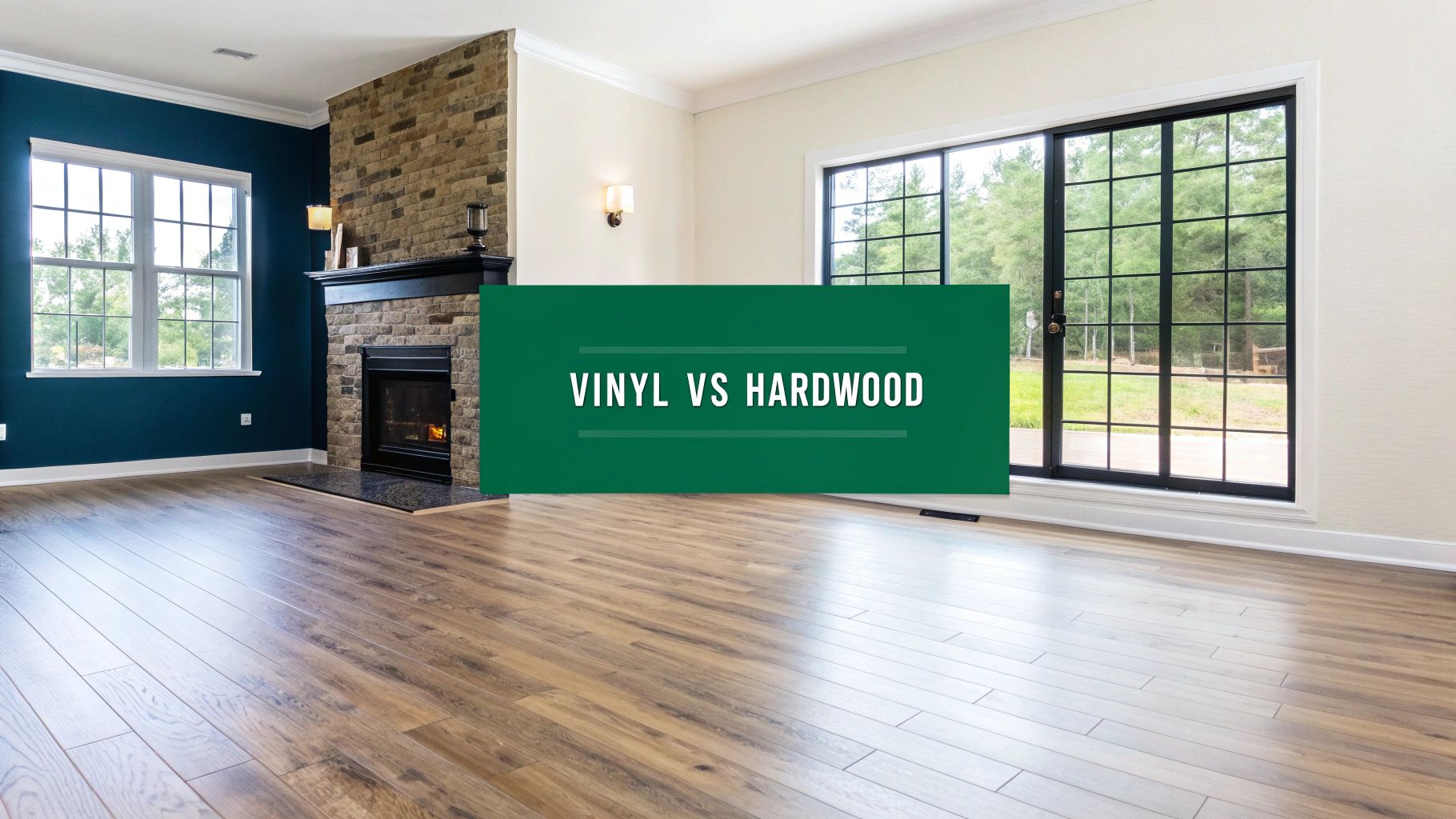
As flooring pros with deep roots in hardwood, this is a conversation we have with Richmond homeowners almost every day. The choice between Luxury Vinyl Plank (LVP) and authentic hardwood isn't just about looks—it's about matching your floor to your lifestyle, budget, and long-term plans for your home.
Let's put these two heavyweights head-to-head on the factors that really matter.
Resilient options like vinyl flooring are leading the way in the growing flooring market. It’s clear that modern homeowners are seeing the appeal.
Where Vinyl Plank Is The Clear Winner
In some situations, LVP is hands-down the smartest and most practical choice. Its completely waterproof nature makes it the undisputed champion for any room where you wouldn't dare put real wood.
Think about these common scenarios in Richmond, VA:
- Basements: Basements here in the Richmond area can get damp, and that moisture is a nightmare for hardwood. LVP gives you that perfect wood look without a single worry about warping or water damage.
- Full Bathrooms: Steam, splashes, and humidity make solid hardwood a definite no-go. LVP, on the other hand, is built for it. It's a completely worry-free surface.
- Busy Rental Properties: If you're a landlord in Mechanicsville or Short Pump, LVP is your best friend. Its serious durability against scratches and its ridiculously easy maintenance make it a smart, long-lasting investment that tenants can't destroy.
In these spots, vinyl offers a level of peace of mind that hardwood just can't compete with.
When Real Hardwood Is The Superior Investment
Despite all the practical perks of vinyl, there are times when nothing can replace the timeless beauty and raw value of genuine hardwood.
Real wood is the better long-term play when:
- Home Value is a Top Priority: Nothing adds more resale value to a home than authentic hardwood floors. It’s a proven fact among real estate agents and appraisers in Richmond.
- Longevity Matters: A real hardwood floor can be sanded and refinished over and over again, giving it a lifespan that can literally stretch for generations. Once vinyl’s top layer is worn through, the entire floor has to be replaced.
- You Want Authentic Character: LVP does an incredible job of mimicking wood, but it can’t fake the unique grain, texture, and warmth of the real deal. Every single plank of hardwood is one-of-a-kind.
Sometimes it’s hard to picture how the two materials will actually look in your space. To help visualize the difference and compare how vinyl plank and real hardwood floors might fit your home's style, you can try using AI interior design tools.
The right choice always comes down to your specific needs. If you need a bulletproof, waterproof floor for a tricky area, LVP is a fantastic solution. But if you’re looking for a timeless, refinishable surface that adds serious, lasting value to your property, authentic hardwood is still the gold standard.
Still on the fence? Buff & Coat is here to help. We give honest, straightforward advice based on over 15 years of hands-on experience with both materials. Call 804-392-1114 for a free, no-pressure consultation.
Understanding The Vinyl Flooring Installation Process
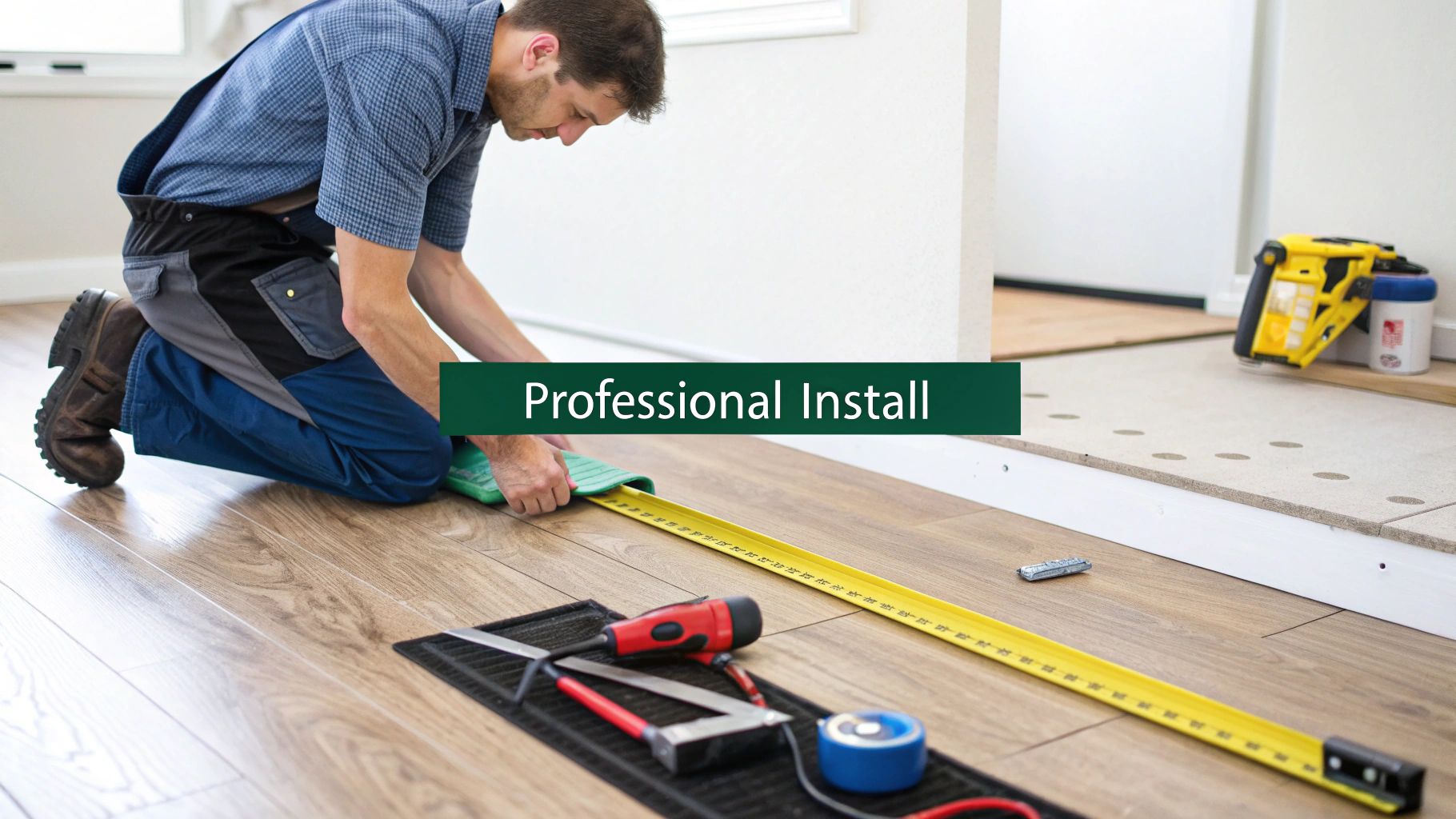
A beautiful, long-lasting vinyl floor has less to do with the planks themselves and everything to do with what happens underneath them. Proper installation is what separates a floor that looks great for decades from one that starts failing in just a few years. It’s a game where expertise and attention to detail make all the difference.
At Buff & Coat, we're meticulous with our LVP and LVT installs because we know that the foundation dictates the final result. This approach helps us sidestep common DIY issues like gapping, peaking, and an uneven finish that can ruin an otherwise fantastic product.
The Critical First Step: Subfloor Preparation
Before a single plank of vinyl ever touches the ground, the subfloor needs to be perfect. This is, without a doubt, the most important factor for a successful vinyl flooring installation. An imperfect subfloor will telegraph every bump, dip, and flaw right through to the surface of your new floor.
Our process always kicks off with a thorough assessment:
- Cleaning: We make sure the subfloor is completely free of any dust, debris, or old residues. Anything left behind can interfere with adhesion or create annoying bumps you can feel underfoot.
- Leveling: We hunt for and correct any high or low spots. Even a tiny dip can create a soft spot under your feet or cause planks to separate over time.
- Moisture Testing: For concrete subfloors, we test for moisture. This is a crucial step to prevent serious issues from developing underneath your brand-new flooring.
This prep work is non-negotiable for us. Skipping it is the number one cause of flooring failure, and it’s a corner we will never, ever cut.
Choosing The Right Installation Method
Once the subfloor is ready, we move on to the installation itself. For LVP and LVT, there are two primary methods we use, and the right choice depends on the specific product and the room's conditions.
Installation Method Comparison
Here’s a quick look at the two main approaches to installing luxury vinyl plank or tile, helping you understand how we get that seamless, professional finish.
| Method | Process | Best Application | Advantage |
|---|---|---|---|
| Floating (Click-Lock) | Planks lock together with a tongue-and-groove system, "floating" over the subfloor without glue. | Most common residential applications; basements, living rooms, and bedrooms. | Faster installation, easier to repair individual planks, and can go over many existing hard floors. |
| Glue-Down | Planks are adhered directly to the subfloor using a specialized vinyl flooring adhesive. | High-traffic commercial spaces, areas with heavy rolling loads, or rooms exposed to direct sunlight. | Extremely stable, won't shift or buckle under heavy use, and offers a very solid feel underfoot. |
Choosing between floating and glue-down is a decision based on experience, and we make the right call to ensure your floor performs perfectly for years.
At the end of the day, precision is what it's all about. We take exact measurements and make precise cuts around tricky areas like door jambs, vents, and cabinetry. This is how you get those clean lines and a professional, built-in look that elevates the entire room.
We believe a clean worksite and an efficient process show respect for your home and your schedule.
If you're considering a new vinyl floor for your home in Richmond, Chesterfield, or the surrounding area, let our experts handle the installation with the care it deserves. Call 804-392-1114 for a fast, free estimate.
Why Richmond Homeowners Choose Buff & Coat
Choosing a flooring partner in the Richmond area isn’t just about finding someone to lay down planks. You need a team that truly understands the character of local homes—from the classic charm of original hardwood to the practical demands of modern family life. With over 15 years of local experience, Buff & Coat brings a level of expertise you can trust.
- 15+ Years in Business: We’ve proudly served the Richmond, Chesterfield, and Henrico communities for over a decade.
- Dustless Sanding Systems: For our hardwood projects, we use advanced equipment to keep your home clean and healthy.
- Local, Owner-Operated: Our reputation is on the line with every job. You get direct communication and accountability.
- High-Quality Finishes: We only use durable, beautiful materials, whether it’s for LVP installation or hardwood refinishing.
- Clear Pricing & Honest Advice: We provide straightforward quotes and help you choose the best solution for your home, not our bottom line.
- 5-Star Customer Service: Our clients are our neighbors, and we’re committed to providing an exceptional experience from start to finish.
Whether your heart is set on restoring your home’s history with a hardwood floor refinishing or you’re ready to upgrade to a tough, beautiful vinyl floor, we’ll make sure the result is something you’ll love for years to come. Our goal is to guide you toward the best long-term investment for your home.
Ready to restore your floors? Buff & Coat makes the process fast, clean, and stress-free. Call 804-392-1114 or request your free estimate at buffandcoatvirginia.com.
Vinyl Flooring Questions We Hear All The Time
When you're thinking about a big home improvement project like new floors, you're bound to have questions. Getting clear, honest answers is the first step. Here are some of the most common things Richmond homeowners ask us about vinyl flooring.
How Long Does Vinyl Flooring Really Last?
The lifespan of vinyl flooring depends on two key things: the quality of the product and the quality of the installation. A high-quality vinyl flooring product with a thick wear layer can withstand heavy foot traffic for years. When installed professionally by a team like Buff & Coat, you can expect a quality LVP or LVT floor to last 10 to 25 years. Proper installation prevents common issues like peeling, gapping, or premature wear, ensuring you get the full value from your investment.
Is Vinyl Flooring Completely Waterproof?
Yes, the vinyl planks and tiles themselves are made of 100% waterproof materials. This makes LVP and LVT an excellent, worry-free choice for areas in Richmond homes that see moisture, such as kitchens, bathrooms, laundry rooms, and basements. However, it's important to remember that while the planks are waterproof, the seams between them are not. If a large amount of water sits on the floor for an extended period, it can seep through to the subfloor. A precise, tight installation is critical to create a highly water-resistant surface that protects what's underneath.
Can Vinyl Be Installed Directly Over My Old Floor?
Sometimes, yes—but it's not always the best approach. New vinyl can often be laid over existing hard surfaces like old sheet vinyl or ceramic tile, provided the original floor is perfectly flat, level, and structurally sound. Any imperfections in the old floor will show through the new one.
Our Professional Approach: We never take chances with your new floor's foundation. Our team always starts with a thorough inspection of your existing floor and subfloor. If we find any dips, damage, or issues, we address them first. This guarantees your new vinyl floor has the stable, solid base it needs to look incredible and perform perfectly for years to come.
Ready to explore your flooring options? Whether it's durable LVP or timeless hardwood, Buff & Coat Hardwood Floor Refinishing provides honest advice and expert installation for homeowners in Richmond, VA and surrounding areas.
https://buffandcoatvirginia.com


