

Home Blog Top 10 Hardwood Floor Refinishing Colors for a Modern Virginia Home
Top 10 Hardwood Floor Refinishing Colors for a Modern Virginia Home
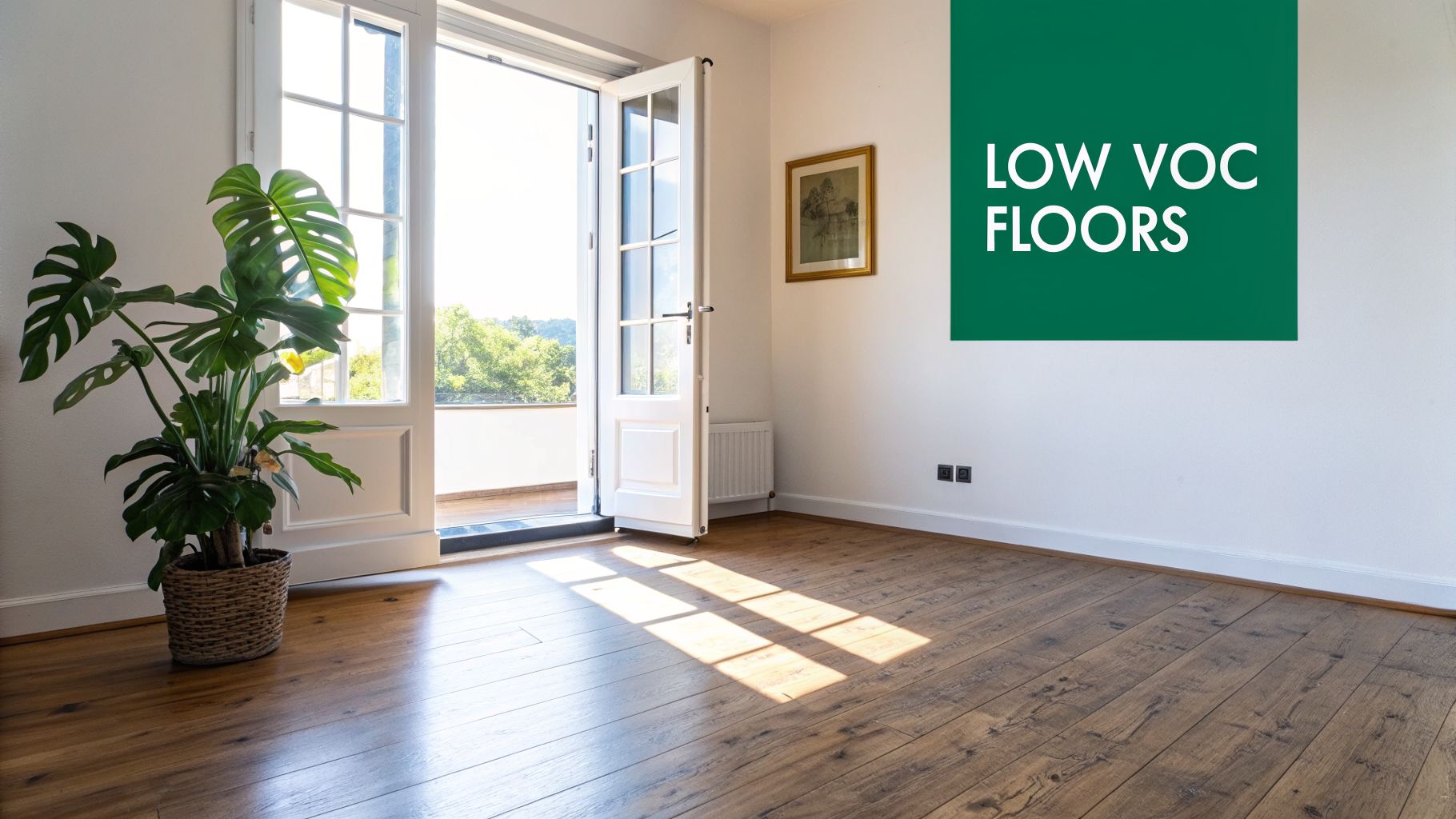
You’re standing in your living room looking at floors that have seen better days. The finish is dull, scratches are everywhere, and the color feels stuck in another decade. You know refinishing will fix the wear, but now you’re facing a bigger question: what color should they be?
It’s not a small decision. Your floors touch every room, influence every design choice, and once that stain goes down, you’re living with it for years. The options are overwhelming—from barely-there natural tones to deep, dramatic darks—and the last thing you want is to pick something that feels dated in two years or clashes with everything you own.
This guide walks you through the hardwood floor refinishing colors that are actually working in Virginia homes right now, why they matter, and how to choose one that fits your space without second-guessing yourself later.
Why Hardwood Floor Color Matters More Than You Think
Your floor color isn’t just about aesthetics. It’s the foundation of every other design decision you make in your home.
Go too dark and your space can feel heavy or show every speck of dust. Too light and you might end up with a washed-out look that doesn’t match your furniture. The wrong undertone—too orange, too gray, too red—can clash with your cabinets, your walls, even your lighting.
And then there’s the longevity question. Some colors are classic for a reason. Others are trendy right now but will make your home feel dated faster than you’d like. Refinishing isn’t cheap, and it’s disruptive, so getting it right the first time matters.
What’s Actually Trending in Wood Stain Colors for 2026
If you’ve been looking at hardwood floor inspiration lately, you’ve probably noticed a shift. The cool, ashy gray floors that dominated the 2010s are fading fast. Designers and homeowners are moving toward warmer, more natural tones that feel grounded instead of sterile.
Warm neutrals are leading the pack. Think honey oak, soft caramel, natural chestnut—colors that bring warmth without going full orange-toned 1990s. These shades work because they’re versatile. They complement both modern and traditional furniture, they don’t scream “trend,” and they make rooms feel inviting instead of cold.
On the other end, rich mid-to-dark tones are making a comeback. Walnut, espresso, deep brown—these aren’t the heavy, oppressive darks of the past. They’re sophisticated, moody, and surprisingly practical because they hide wear better than you’d expect. Pair them with lighter walls and you get contrast that feels intentional, not accidental.
Light floors are still around, but they’ve evolved. The ultra-pale, almost-white finishes are being replaced by blonde woods with just enough warmth to keep them from feeling stark. These work especially well in smaller spaces or homes with great natural light.
What’s out? Gray. If you refinished your floors gray five or ten years ago, you’re not alone—and you’re probably ready for a change. Gray was everywhere, and now it feels cold and overdone. The same goes for anything with a heavy orange or red cast. Those tones date a space faster than almost anything else.
The thread connecting all the colors that are working right now is authenticity. People want floors that look like real wood, not wood trying to be something else. That means natural grain, subtle variation from plank to plank, and finishes that let the material speak for itself instead of covering it up.
How Virginia Homes Influence Your Floor Color Choice
Virginia homes come in all styles. You’ve got historic Colonials in Henrico County with original hardwood that’s been under carpet for decades. You’ve got mid-century ranches in Chesterfield with oak floors that turned orange from old polyurethane. You’ve got newer builds in Hanover where the floors are fine but the color never felt quite right.
The architecture of your home should guide your color choice, but it doesn’t have to dictate it. A historic home can absolutely handle a modern floor color if that’s your style. A new build can pull off a classic stain if you want something timeless.
What does matter is Virginia’s climate. The humidity here means your floors expand and contract with the seasons. That doesn’t change the color you pick, but it does mean you want a finish that’s built to handle moisture and temperature swings. Engineered options and quality sealants make a difference, especially in kitchens, entryways, and spaces near exterior doors.
Virginia homeowners also tend to value natural materials and warm, livable spaces. That aligns well with the current trends—warm woods, organic tones, and finishes that feel authentic rather than overly polished. If your home has a lot of natural light, you have more flexibility with darker stains. If your space is on the darker side, lighter floors can open things up without feeling too Scandinavian-minimal.
The other factor is resale value. Hardwood floor refinishing is one of the few home updates that actually pays you back. According to the National Association of Realtors, refinishing can recover well over 100% of its cost in added home value. But that only works if you choose a color that appeals to future buyers, not just you. Neutral, warm, and classic choices tend to perform best when it’s time to sell.
The Top 10 Hardwood Floor Refinishing Colors for Virginia Homes
These are the colors showing up in homes across Henrico, Chesterfield, Hanover, and Powhatan—not because they’re trendy, but because they work. They’re versatile, they age well, and they fit with how people actually live.
Some are light, some are dark, and some sit right in the middle. What they all have in common is that they’re not trying too hard. They let the wood be wood, they complement a range of styles, and they won’t make you cringe in five years.
Natural Oak and Honey Tones
Natural oak is having a moment, and for good reason. It’s light enough to brighten a room but warm enough to feel inviting. It works in small spaces because it doesn’t close things in, and it pairs well with just about any furniture style you throw at it.
Honey tones take that a step further. They add a golden, sun-kissed quality that feels cozy without being too yellow. These colors are especially popular in open-concept homes where you want the floor to flow from room to room without calling too much attention to itself.
What makes these shades work is their neutrality. They’re not trying to make a statement. They’re giving you a clean, warm foundation that lets everything else in the room shine. If you have a lot of color in your furniture or your walls, natural oak and honey tones won’t compete.
They’re also forgiving. Dust and light scratches don’t show up as much as they do on darker floors. That makes them a smart choice for busy households, homes with pets, or anyone who doesn’t want to be sweeping twice a day.
One thing to watch: make sure your finish doesn’t turn orange. Older oil-based polyurethanes had a tendency to do that, which is why natural oak got a bad rap for a while. Modern water-based finishes solve that problem. They keep the wood looking clean and true to its natural color without that dated yellow-orange cast.
If you’re refinishing floors in a historic Virginia home, natural oak can bring out the original character of the wood without overpowering the space. It respects the age of the home while giving it a fresh, updated feel.
Warm Mid-Tone Browns: Provincial, Chestnut, and Walnut
Mid-tone browns are the workhorses of hardwood floor colors. They’re not too light, not too dark, and they work with almost any design style you can think of. Provincial, chestnut, walnut—these are the shades that show up in homes where the owners want something classic but not boring.
Provincial leans slightly warm with a soft brown tone that feels lived-in from day one. It’s the kind of color that makes a room feel finished without being too formal. Chestnut adds a bit more richness, with subtle red undertones that give it depth. Walnut goes darker and cooler, offering a sophisticated look that works especially well in modern or transitional spaces.
What makes mid-tones so versatile is their ability to bridge styles. You can put them in a farmhouse kitchen, a contemporary living room, or a traditional dining room, and they’ll fit. They also hide imperfections better than very light floors, which means less stress about every little scratch or scuff.
These colors work particularly well if you’re trying to coordinate with existing wood elements in your home. If you have medium-toned cabinets or wood trim, a mid-tone floor can tie everything together without creating too much visual competition. The key is to make sure there’s enough contrast—you don’t want your floors to disappear into your cabinetry.
One of the biggest advantages of mid-tone browns is their longevity. They’ve been popular for decades, and they’re not going anywhere. That makes them a safe bet if you’re thinking about resale value or if you just don’t want to worry about your floors feeling dated in a few years.
They also photograph well, which matters more than you might think. If you’re planning to list your home at some point, mid-tone floors show up beautifully in listing photos. They look warm, inviting, and well-maintained—all things that help a home sell faster.
Dark, Rich Tones: Espresso, Ebony, and Deep Walnut
Dark floors make a statement. They’re bold, they’re dramatic, and when done right, they elevate a space in a way lighter colors can’t. Espresso, ebony, and deep walnut are all gaining traction in Virginia homes, especially in spaces where homeowners want a more formal or modern look.
The appeal of dark floors is visual weight. They ground a room, create contrast with lighter walls and furniture, and add a level of sophistication that feels intentional. They work beautifully in dining rooms, home offices, and primary bedrooms—spaces where you want a bit more gravitas.
But dark floors aren’t for everyone, and that’s okay. They show dust, scratches, and pet hair more than lighter options. If you have a golden retriever or a busy household, you’ll be sweeping more often. They can also make a small room feel smaller if there’s not enough natural light to balance them out.
That said, the right dark floor in the right space is stunning. Pair it with white or light gray walls and you get a high-contrast look that feels both modern and timeless. Add in some warm wood furniture or brass accents and the whole room comes together.
One trend that’s making dark floors more accessible is the move away from high-gloss finishes. Matte and satin finishes on dark wood feel less formal and more livable. They don’t show every fingerprint or smudge, and they give the floor a softer, more organic look.
If you’re considering a dark stain, test it in your space first. What looks good on a sample board might feel too heavy once it’s covering your entire floor. We can apply test patches directly to your floor so you can see how the color looks with your lighting, your furniture, and your walls before you commit.
Light and Whitewashed Finishes
Light floors have a way of making a space feel bigger, brighter, and more open. Whitewashed finishes, pale oak, and blonde woods are all popular choices for homeowners who want a clean, airy aesthetic.
These colors work especially well in smaller homes or rooms with limited natural light. They reflect light instead of absorbing it, which makes the space feel less closed-in. They also pair beautifully with modern, minimalist, or Scandinavian-inspired design.
The challenge with light floors is maintenance. They show dirt, spills, and scuffs more than darker options. If you have kids, pets, or a lot of foot traffic, you’ll need to stay on top of cleaning. But for homeowners who prioritize the look and are willing to put in the upkeep, light floors deliver a fresh, contemporary feel that’s hard to beat.
Greige and Taupe: The Neutral That Works Everywhere
Greige—a blend of gray and beige—has become one of the most requested floor colors, and it’s easy to see why. It’s neutral enough to work with almost any color palette, but it has more warmth than straight gray and more sophistication than plain beige.
Taupe sits in the same family. It’s a soft, muted tone that feels both modern and timeless. These colors are ideal if you’re trying to create a cohesive look throughout your home or if you’re not sure what direction you want to take your décor in the future.
Greige and taupe floors give you flexibility. They work with cool-toned walls, warm-toned furniture, and everything in between. They’re also less likely to clash with existing wood elements like cabinets or trim, which makes them a smart choice if you’re refinishing floors but not planning a full remodel.
One thing to note: not all greiges are created equal. Some lean more gray, some lean more beige, and the difference matters. If you go too gray, you risk ending up with floors that feel cold. Too beige and you might lose the modern edge you’re going for. Testing samples in your space is critical.
These tones also photograph well and appeal to a broad range of buyers, which makes them a solid choice if resale value is on your radar. They’re neutral without being boring, and they create a clean backdrop that lets other design elements stand out.
Custom Color Mixes: Creating a Shade That’s Uniquely Yours
One of the best-kept secrets in hardwood floor refinishing is that you don’t have to pick a color straight out of the can. We can mix stains to create custom shades that match your vision exactly.
Want something between honey oak and walnut? Done. Need a gray-brown that’s warmer than most greiges but cooler than straight taupe? That’s possible too. Custom mixing gives you control over the exact tone, depth, and undertone of your floors.
This is especially useful if you’re trying to coordinate with existing elements in your home. Maybe your cabinets are a specific shade of cherry and you need a floor color that complements without matching. Or maybe you love the idea of a mid-tone brown but want it just a bit lighter or richer. Custom mixing solves those problems.
The process usually involves testing a few different ratios on sample boards or directly on your floor. You’ll see how the color looks when it’s dry, how it interacts with your lighting, and how it feels in the context of your space. It takes a little more time upfront, but it’s worth it to get a color you’re confident about.
Custom colors also give you a level of uniqueness that off-the-shelf stains can’t. Your floors won’t look like every other refinished floor in your neighborhood. They’ll be tailored to your home, your style, and your preferences.
If you’re working with us on your refinishing project, don’t be afraid to ask about custom mixing. It’s a standard service we offer, and it’s one of the easiest ways to ensure you end up with floors you love.
How to Choose the Right Hardwood Floor Color for Your Home
Choosing a floor color isn’t just about what looks good in a magazine. It’s about what works in your home, with your lifestyle, and with the way you actually live.
Start by thinking about your lighting. Natural light changes how colors look. A warm honey tone might look perfect in a sun-filled room but too yellow in a space with limited windows. A dark walnut might feel rich and elegant in a bright room but oppressive in a darker one.
Consider your existing elements. What color are your cabinets? Your trim? Your furniture? You don’t have to match everything, but you do need to make sure nothing clashes. If you have warm-toned wood cabinets, a floor with cool gray undertones might feel off. If your furniture is mostly light and neutral, a dark floor can create nice contrast.
Think about maintenance. Are you okay with sweeping every day, or do you need a floor that hides dust? Do you have pets? Kids? High traffic? Lighter floors are more forgiving when it comes to showing dirt, but darker floors can hide scratches better depending on the finish.
And don’t ignore your gut. If you’re drawn to a certain color, there’s probably a reason. Your home should feel like yours, not like a showroom. Trust your instincts, but back them up with samples and professional advice.
Why You Should Always Test Stain Colors Before Committing
This is the single most important step in the refinishing process, and it’s the one people skip most often. Do not choose a floor color based on a tiny sample chip or a photo online. You need to see it on your actual floors, in your actual space, with your actual lighting.
Every wood species takes stain differently. Red oak absorbs color more evenly than white oak. Pine can get blotchy. Maple resists stain altogether. Even within the same species, the age of the wood, the grade, and how it was milled all affect how the final color looks.
We’ll sand a small section of your floor and apply test patches of the colors you’re considering. You’ll see them dry, see how they look in morning light versus evening light, and see how they interact with your furniture and walls.
This step takes a little extra time, but it’s worth every minute. It’s the difference between floors you love and floors you tolerate. It’s also the difference between a smooth project and one where you’re asking us to start over because the color isn’t what you expected.
Don’t rush this part. Live with the samples for a day or two. Look at them from different angles, in different lighting, at different times of day. Make sure you’re confident before the full refinishing starts.
If you’re torn between two colors, test them both. Sometimes seeing them side by side makes the decision obvious. Other times, you might realize you want a custom mix that sits somewhere in between.
Finding the Right Floor Color for Your Virginia Home
Your hardwood floors are one of the biggest design elements in your home. The color you choose affects how every room feels, how your furniture looks, and how your home shows to guests or future buyers.
The good news is that the trends right now are working in your favor. Warm, natural tones are in. Versatile mid-browns are timeless. And even bold dark floors are more accessible than ever with modern matte finishes. You have options that look great now and will still look great a decade from now.
The key is to choose a color that fits your home, your style, and your life. Test samples. Ask questions. Work with professionals who understand wood species, stain behavior, and how to get the finish right.
At Buff and Coat Floor Refinishing, we’ve been helping Virginia homeowners make these decisions for over 20 years. From color consultation to final finish, we’ll walk you through the process and make sure you end up with floors you’re proud of.


